
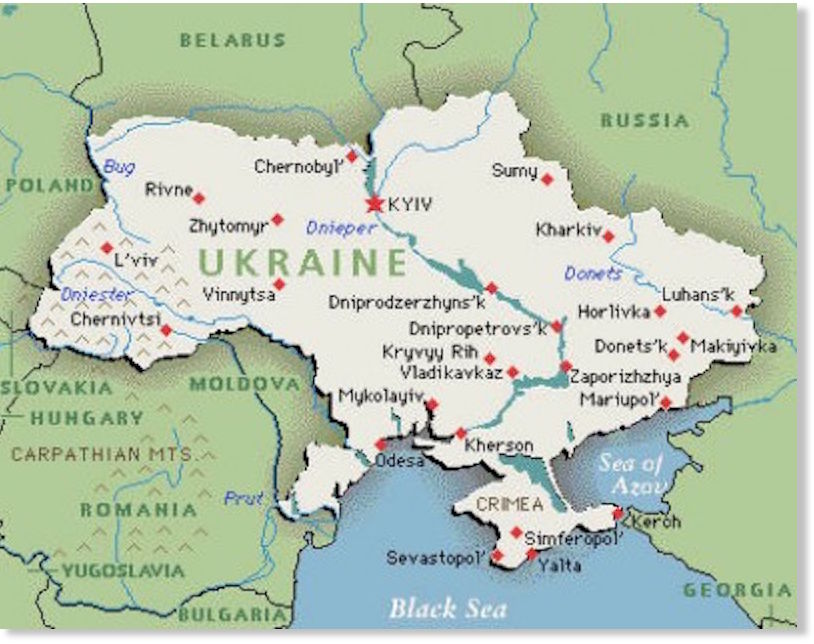
Indeed, Minsk-2 is very inconvenient for Poroshenko, because it documents for the first time the need for direct dialog between Kiev and the Donbass. And they need to discuss more than just war and peace, because in fact there are a whole range of issues that must be resolved politically, such as the format for local elections, as well as constitutional reform and economic recovery in Ukraine. Minsk-2 undermines the power structure in Ukraine, which after Maidan has been built around nationalist and military mobilization and the persecution of political opponents. There's a good reason why President Poroshenko immediately tried to disavow the agreement as soon as he returned from Minsk. In March 2015 the Verkhovna Rada passed an amendment to the law on the special status of the districts controlled by Donetsk and Luhansk (in violation of the spirit of the Minsk agreement), rather than adopting a new law as Angela Merkel had asked Poroshenko to do. These actions, as well as others that undercut the foundations of the truce, are causing extreme irritation in Berlin and Paris.
It is already clear that Poroshenko's regime is incapable of negotiating. The two Minsk agreements - dating from Sept. 5 and Feb. 12 - would never have been reached had Kiev not suffered military defeats. As soon as Petro Poroshenko won the election on May 25, 2014, Russia and the EU leaders offered to open a dialog with the Donbass militia. At that time there had been no mass casualties or widespread public acrimony. It seemed that Poroshenko, who had been elected to office (albeit without the voters of the Donbass), was capable of listening to the urgings of the leaders in Europe and Russia and begin a peace process. At least his campaign platform offered some hope of that. However, pressure from US officials forced Poroshenko to embrace a military solution. On May 26, 2014, for the first time since WWII, Donetsk was subjected to an air raid, the Donetsk airport was bombed, civilians were killed, and a real war began.



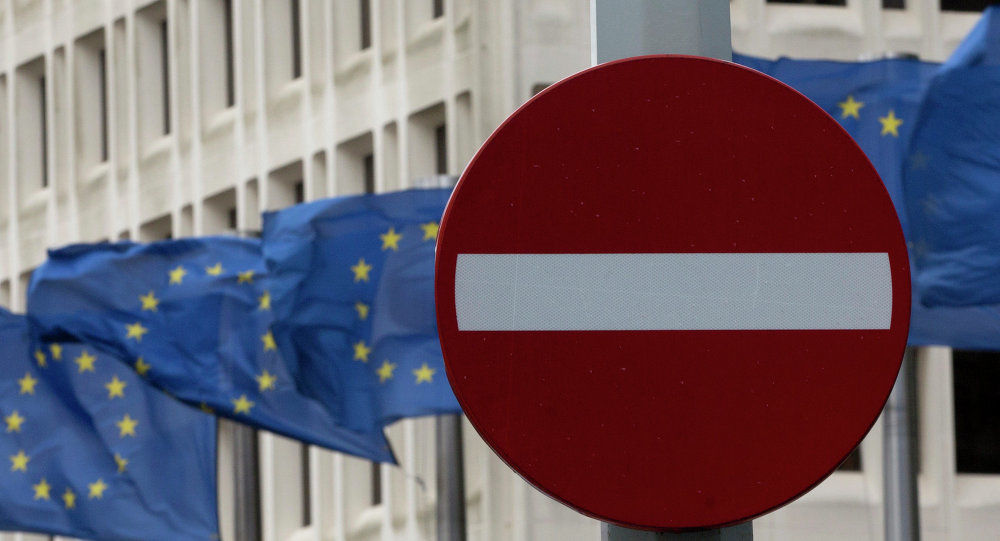







Comment: Has the West come to see that maybe waging political and economic war against Russia wasn't exactly the brightest idea?