
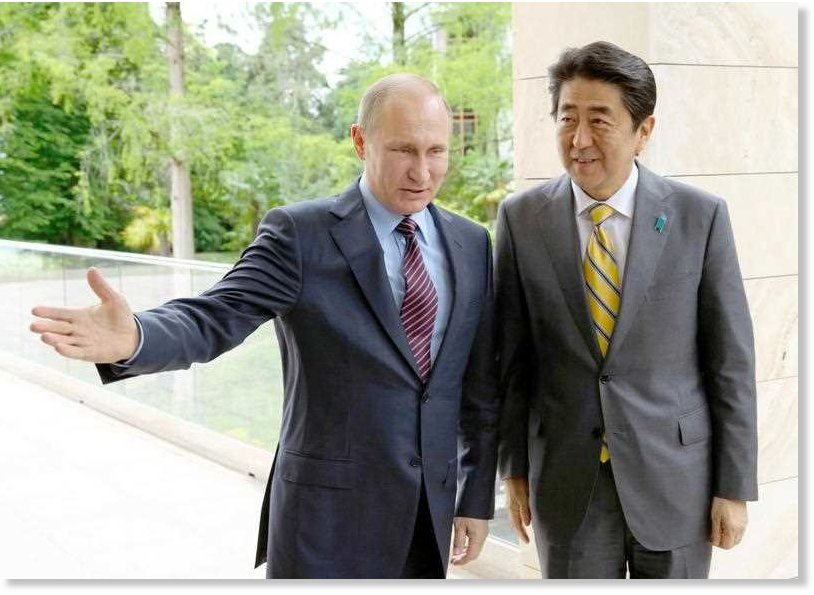
There appear to be two main reasons for Abe's visit. The first and most important is his desire to achieve a solution to the countries' longstanding territorial dispute and to sign a peace treaty before the end of his time in office.
The second reason relates to strategic considerations in East Asia. One of the Abe administration's major security concerns is whether it can permanently rely on the United States to protect Japan from regional threats, especially an increasingly assertive China. In a bid to reduce their dependence on the United States, the Abe administration has sought to increase the capacity of Japan's own armed forces and to build closer ties with other countries in the region. In this context, better relations with Russia make sense as a way of drawing Moscow away from Beijing and of ensuring amicable relations with one of Japan's nearest neighbours.
Comment: It's unlikely that Putin will allow Japan to draw him away from China. Putin is typically a few steps ahead of everyone else strategically speaking, so it's more likely that he wants to draw Japan away from the US and closer to a more geographically appropriate ally. That is why Obama is trying to keep Shinzo Abe from meeting with Putin.
These two goals have meant that relations with Russia have been a priority throughout Abe's second spell in office. Abe has met Putin 13 times, more than he has met President Obama. But most of these have been brief meetings on the sidelines of international fora and a full-scale summit has not taken place since April 2013. This means that the Sochi meeting was of particular significance.



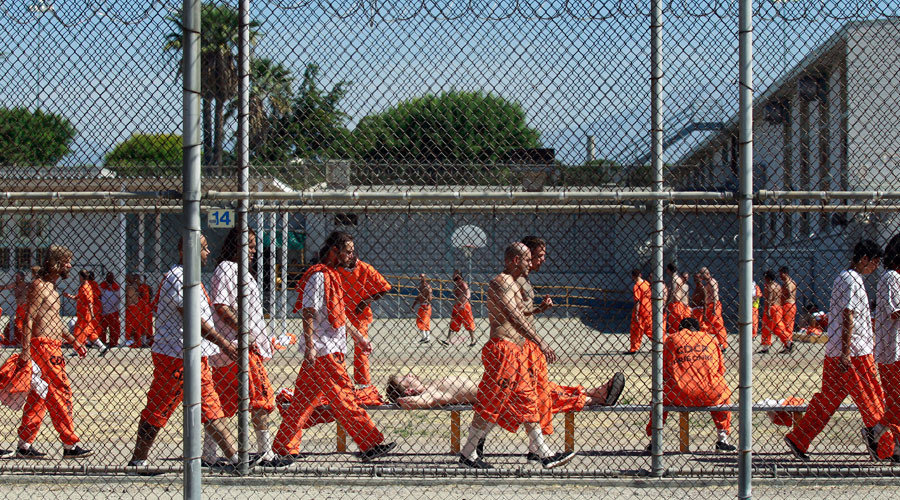






Comment: Is the prison-industrial complex lining his pockets?