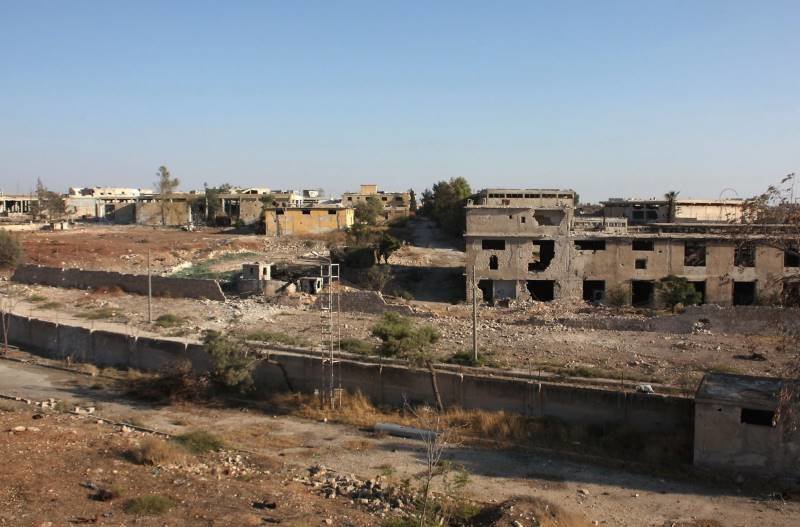
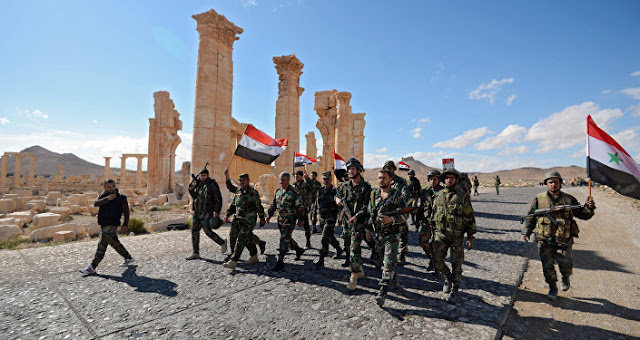
© George Ourfalian/Agence France-PresseA picture taken Oct. 8, 2016, shows a general view of the area of Awijah as Syrian pro-government fighters advance in Aleppo's rebel-held neighborhoods.
It may be no small irony that President Obama's peripatetic secretary of state will travel this week to Rwanda, where up to a million people were killed in a three-month ethnic genocide in 1994, and has tentative plans to attend an international meeting on Syria, where civilian dead are fast approaching the halfway point of that number.
Bill Clinton, president at the time of the Rwandan massacre, has said that U.S. failure to intervene there is one of his biggest regrets. Just two years later, an estimated 8,000 Bosnian Muslims were slaughtered by Bosnian Serb forces in the town of Srebrenica while "the world's great nations," including the United States, "failed to respond adequately," the United Nations later said.
As Obama constructs the final months of his legacy, both historical events loom large.
"Another Srebrenica, another Rwanda" are "written on that wall in front of us unless something takes place" to stop the slaughter, Staffan de Mistura, the U.N. envoy to Syria, said late last week as Russian and Syrian aircraft and artillery continued their relentless bombardment of rebel-held eastern Aleppo.
There is no consensus within the administration about what the United States can or should do to try to bring a halt to the killing and stop what appears to be the increasingly inevitable fall of Aleppo, Syria's largest city, to government forces.
The Pentagon has argued for years against direct U.S. military action, seeing that as risking deeper involvement in Syria's civil war and detracting from the separate fight against the Islamic State in Syria and Iraq. Early last month,
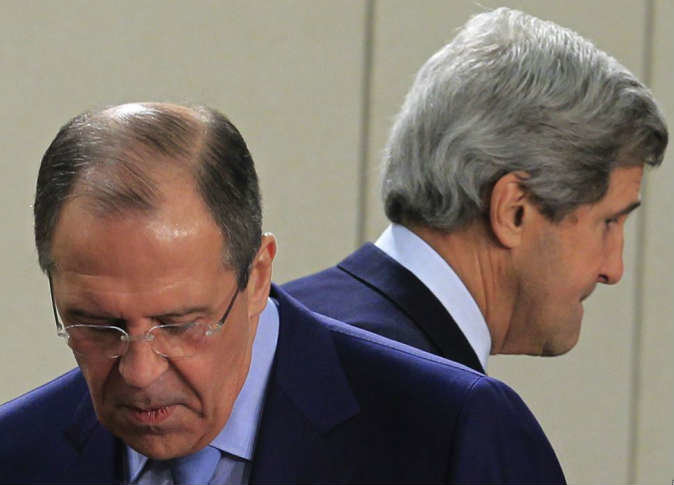
defense officials objected to a deal reached with Moscow by Secretary of State John F. Kerry
that would couple a cease-fire and delivery of humanitarian aid with U.S.-Russian counterterrorism cooperation against the Islamic State and al-Qaeda-linked forces in Syria.

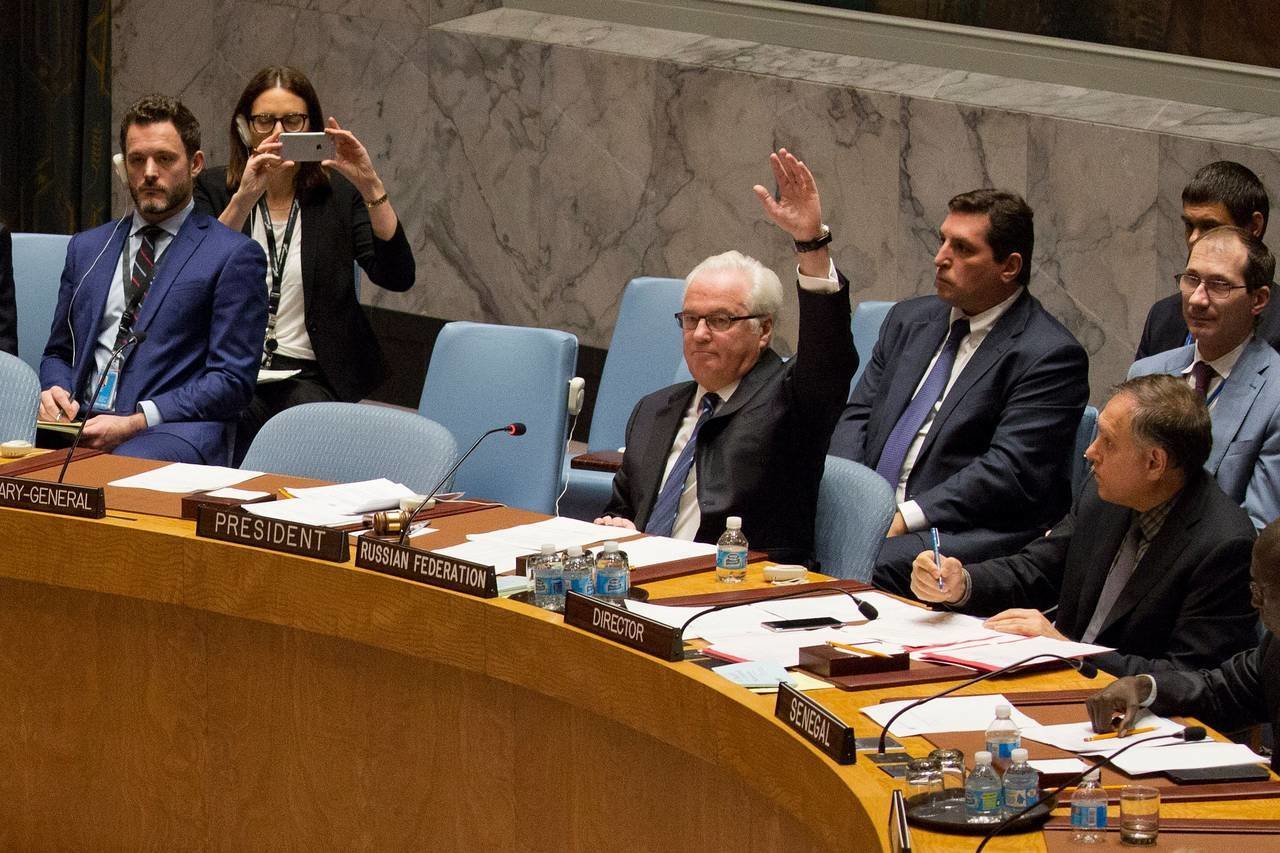


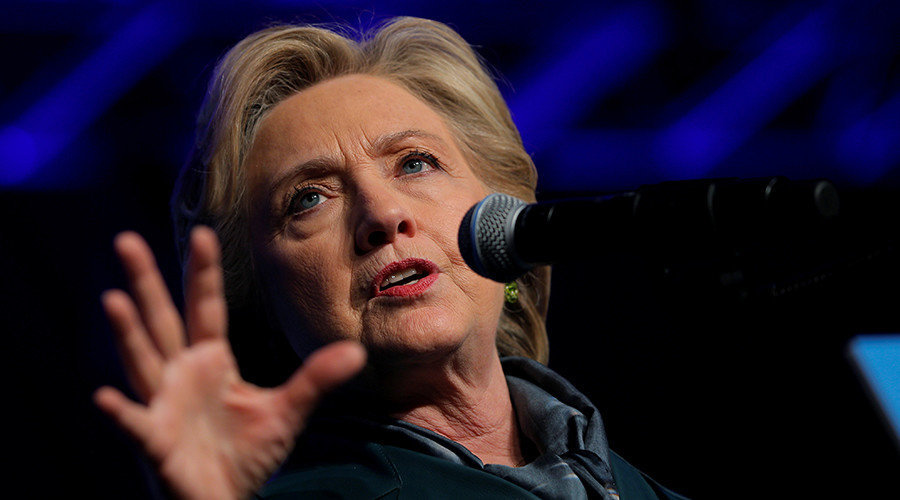



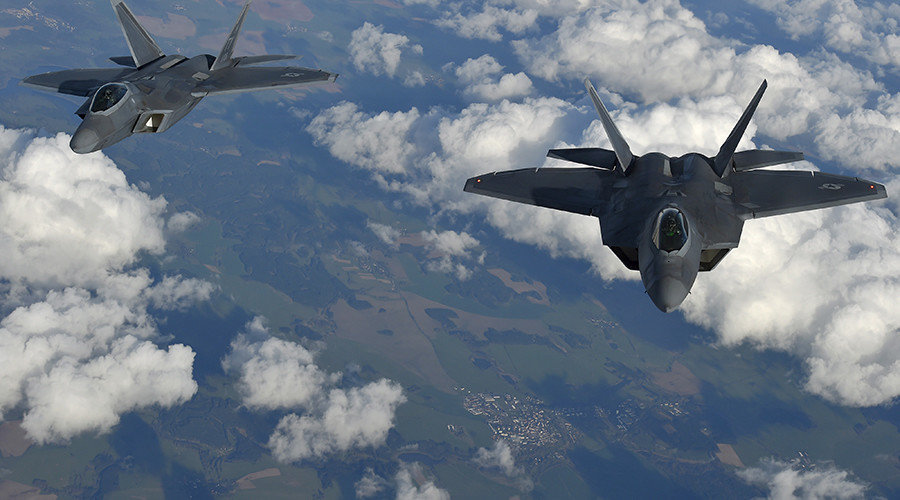






Comment: That was 2013. The same applies today, when the U.S. is still calling for a no-fly zone in Syria. Keep Clinton's talk about "opposition" and "rebels" in mind when reading Lavrov's response to these recent U.S. calls: In U.S. parlance, "no-fly zone" doesn't mean "no-fly zone". It means "American-only fly zone", in which all "enemy" planes are grounded, and the U.S. is free to bomb any targets it pleases, as was the case in Libya. If they were to do that in Syria, you can be sure that al-Nusra would be spared, and that the real targets would by the Syrian military and government.
Update (Oct. 10): Killary again called for a no-fly zone during the 2nd presidential debate last night: In other words, "We need to kill some Syrian civilians." Trump's response was on point: He didn't say it all though. We do know who the rebels are - the rebels Killary supports: al-Qaeda.