Puppet MastersS


Snakes in Suits

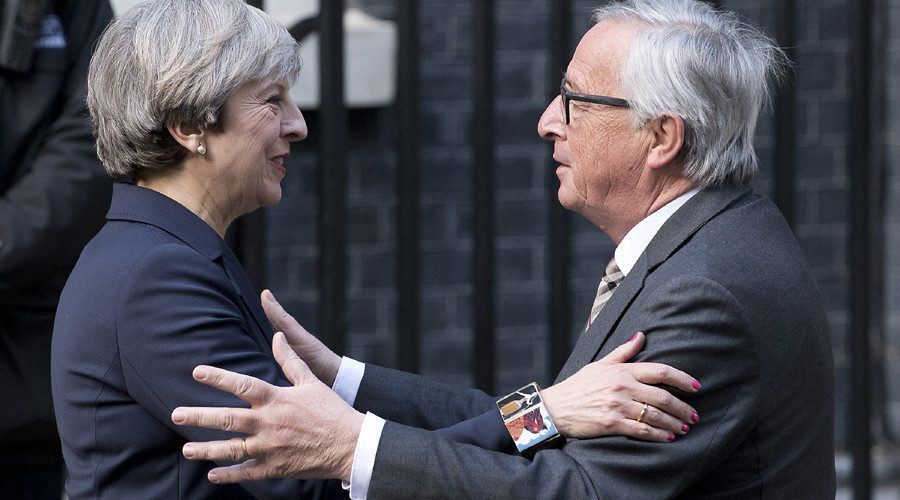
The hang man: EU's Juncker reportedly told May to call snap election

May and Junker
© Justin Tallis / AFP
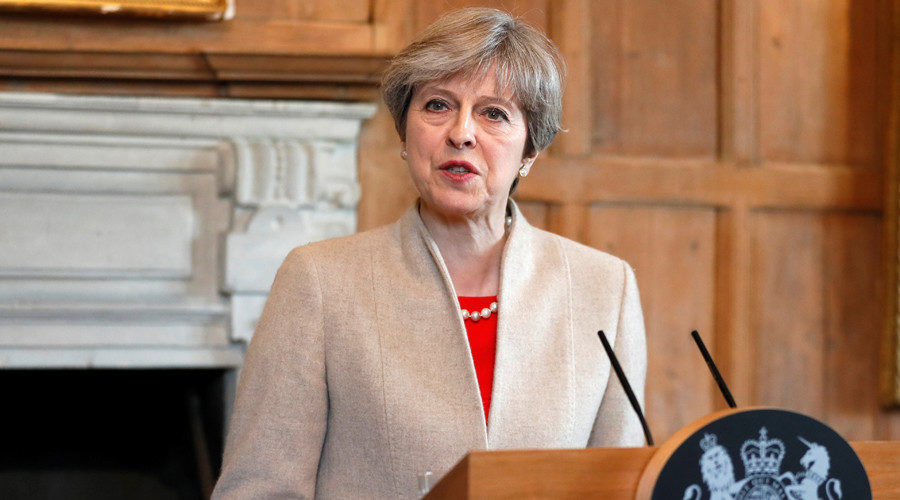
Prime Minister Theresa May was reportedly urged to call last week's general election by European Commission President Jean-Claude Juncker in order to strengthen her hand ahead of Brexit talks. The plan spectacularly backfired.

Juncker is said to have advised May to call an election because her then 17-seat parliamentary majority was not seen as strong enough to guarantee a strong negotiating position. A larger majority, he allegedly told May, would help her dictate the terms of the divorce bill.

The Tories now have no majority.
"During bilaterals, in the margins of summits, Juncker repeatedly told her he thought she should [call a snap election],"
an anonymous EU diplomat told the Guardian.
"People don't understand. We want a deal more than anyone. We are professionals, we have a mandate to get a deal and we want to be successful in that,"
another EU source told the paper.

Light Saber

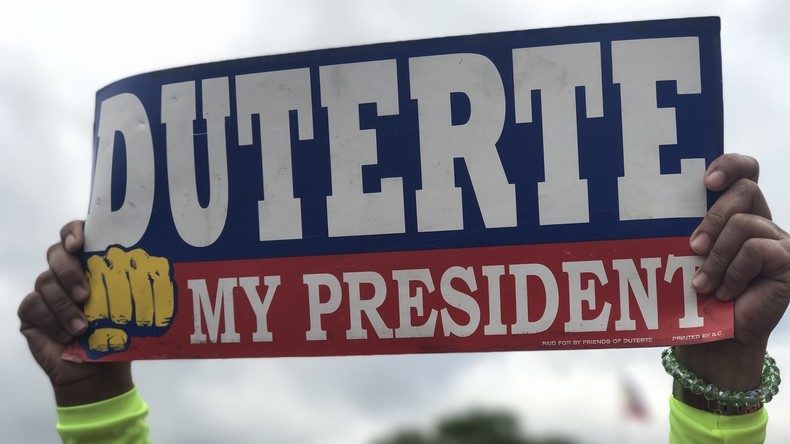
Duterte is the best president The Philippines has ever had

Duterte
© Global Look Press
Duterte wants dignity, freedom and safety for his country. He is a uniquely patriotic and devoted individual who deserves support.

Today, Philippines celebrates 199 years of independence from Spain, but it was during that fateful year of 1898 that the country switched one colonial master for another.

The Spanish-American war saw Philippines along with Cuba, Guam and Puerto Rico come under US control. However, it was Philippines that gave the United States the most to worry about. It was during the Philippine-America war of 1899-1902 that was America's first experience in fighting a colonial insurgency. It would be the first of many. Simultaneous to this, a separate rebellion broke out among Philippine Moros, the Muslim population of the country. This was something that both the US and later independent Philippine governments had to face.

Although Philippines became fully independent in 1946, it was a kind of independence that perversely relied on a deeply dependant relationship on America which by the end of the 1940s was a world-leading economic and military super-power.

Comment: Duterte has no problem with plainly voicing his opinions and goals.Very refreshing


Colosseum

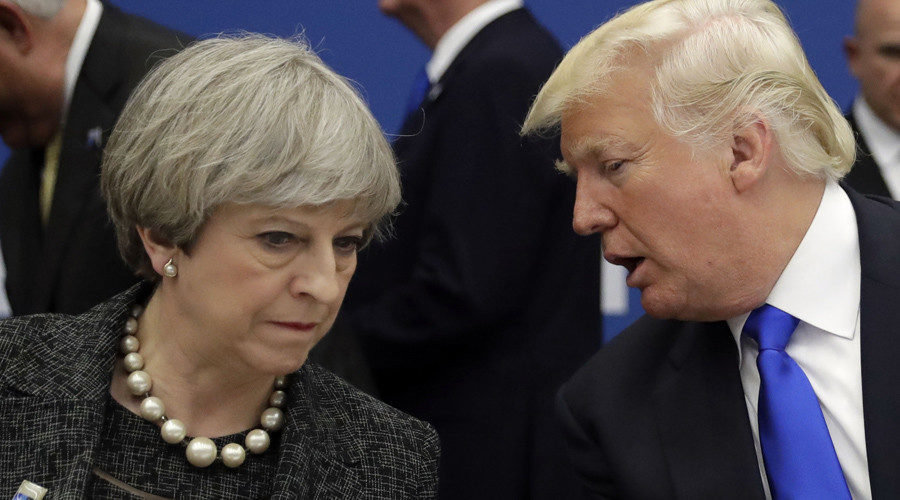
White House issues denial that Trump asked May to postpone UK state visit over protests

Trump May
© Matt Dunham / Agence France-Presse
US President Donald Trump's state visit to the UK will go ahead despite reports he asked the British government to postpone it amid fear of mass protests.

The White House and Downing Street have both dismissed reports by the Guardian on Sunday that Trump had called UK Prime Minister Theresa May to delay his state visit planned for this autumn.

The newspaper reported that, according to a Downing Street advisor, the US leader had called May, saying he is hesitant about visiting the UK amid concern he will be rejected by the public.

Trump has faced widespread criticism for his controversial remarks about London Mayor Sadiq Khan following the terrorist attack on London Bridge and Borough Market last week that killed eight and injured almost 50.

He slammed the mayor for saying British people should not be alarmed by the increased security presence on the streets.

Che Guevara

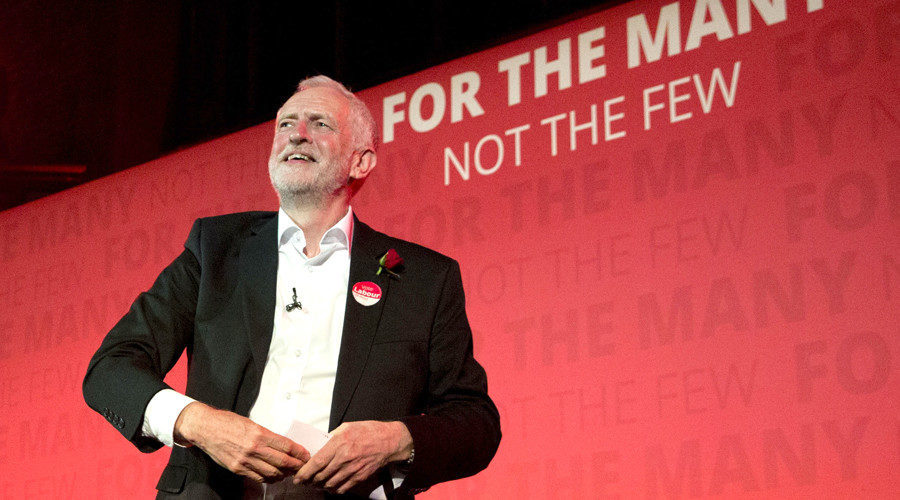
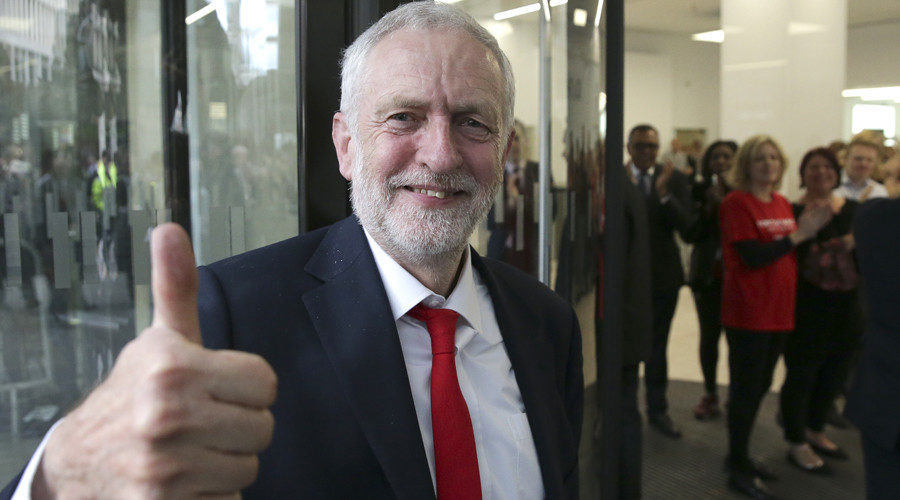
Jeremy Corbyn - Labour's political revolution is only half-done

Corbyn
© Isabel Infantes / Agence France-Presse
Labour's stunning performance in last week's UK general election, which saw the party deny the Tories a majority and gain its largest increase in vote share since 1945, has left the country's Elite Punditocracy in a state of deep shock.

The neocon/neoliberal Establishment thought their non-stop smearing of Labour leader Jeremy Corbyn as a "terrorist sympathizing/IRA-supporting/anti-Semitism condoning/crimes-of-Milosevic denying/North Korea-admiring/Putin-appeasing/Hamas-befriending/beardie-weirdie sandal-wearing/Stalinist/Trotskyist/hard-left Marxist/enemy of Britain" (take your pick), would ensure that voters would vote the 'right' way on June 8, i.e. not for the party led by beyond-the-pale Corbyn. There was great confidence that Labour, having been attacked so relentlessly in the media, would lose heavily.

Chess

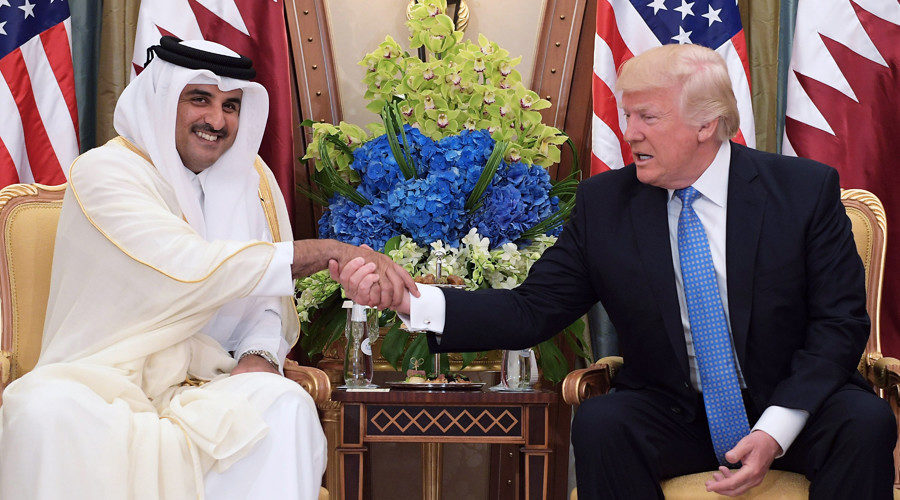
Riyadh's plan to isolate Qatar backfires after Trump flip-flop and Turkey ruse

Trump and al-Thani
© Mandel Ngan / AFP
Saudi Arabia's standoff against Qatar was fraught with miscalculations and comically ill-conceived notions from the start. But now the crisis is becoming a threat to Riyadh's own prominence and security in the Middle East.
"Almost all relationships begin and continue as mutual forms of exploitation, a mental or physical barter, to be determined when one or both parties run out of goods." - English-American writer, W. H. Auden.
This Ramadan will surely be remembered in the Middle East by Saudi Arabia's inflated idea of a new zealous relationship formed with the US. Following Donald Trump's 'Arab Summit' visit in May, Riyadh is reinvigorated with a new sense of importance and power, and has indulged itself on just how far warm sentiments from the Trump administration can take its new government and its struggle against Iran, an enemy of convenience that gives Saudi Arabia an important role in the region. But who needs the other more? The Saudis or the Americans?

In recent days, Saudi Arabia's bold plan to isolate tiny Qatar in a bid to get it to agree to Riyadh's geopolitics appears to be coming off the rails. But worse than merely suffering a modicum of humiliation when Riyadh inevitably climbs down and admits its zany plan didn't come off, there are signs that the attempt to destabilize Qatar is going to backfire. Indeed, King Salman bin Abdulaziz's new, inexperienced government has yet to recognize, let alone even understand an important maxim in politics: 'When in a hole, stop digging'.

Comment:


Info

May in for rough ride as Corbyn prepares for Queen's Speech assault

Jeremy Corbyn
© Daniel Leal-Olivas / AFP
Theresa May's difficulties look set to continue as Labour leader Jeremy Corbyn prepares to use the Queen's Speech to challenge the prime minister's wavering authority.

The Queen's Speech is the formal occasion when a new government spells out its plans for the coming parliament.

It is one of the few times the monarch is permitted to enter Parliament.

The speech was set to occur on June 19 but has now been postponed due to the pressure of Brexit talks and Tory coalition negotiations.

Corbyn has made clear his plans to vote down the PM's plans in an effort to destabilize her.

Comment: May's next hurdle: Theresa May faces grilling by 1922 Committee as she cobbles together minority govt


Info

Qatar begins accepting cargo ships from Oman instead of UAE

Omani shipping port
© soharportandfreezone.com
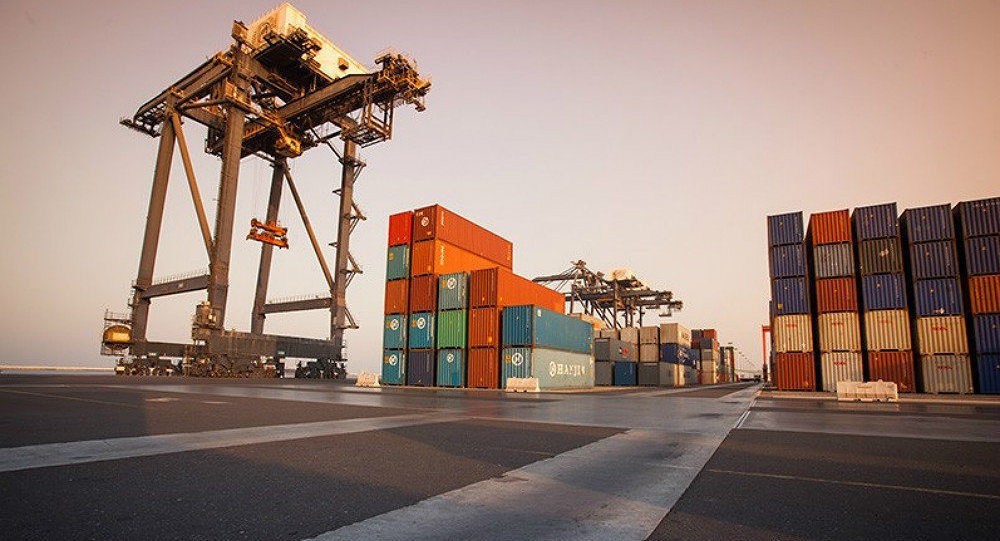
The Qatari port of Hamad began accepting cargo ships from the ports of the Sultanate of Oman instead of the United Arab Emirates (UAE), after Dubai cut diplomatic relations with Doha a week ago and banned Qatari vessels from entering its ports.

According to the Ajel media outlet, a cargo ship from the Omani port of Sohar left for Qatar on Monday. The Omani port of Salalah is also being used for these purposes.

Previously, large cargo ships visited the UAE deep port of Jebel Ali, where cargoes were reloaded onto smaller ships before being delivered to the Qatari port, which is not capable of receiving large vessels.

Comment: Looks like Iran will be patrolling the seas to protect the Oman ships: Iranian Navy sends warships to Oman amid Gulf tensions


Snakes in Suits

Theresa May faces grilling by 1922 Committee as she cobbles together minority govt

Theresa May
© Reuters
UK Prime Minister Theresa May is set to be questioned on Monday evening by a powerful committee of Conservative backbenchers after leading a disastrous election campaign, which cost the party its majority.

The prime minister will hold talks with the 1922 Committee of Conservative backbenchers, who are expected to raise questions over her leadership and the terms of a deal she is seeking with the Democratic Unionist Party (DUP).

The Tory leader announced on Friday she intends to strike a "confidence and supply" deal with the Northern Irish party, which will give her the numbers she needs to get her legislative program through the House of Commons. The program was supposed to be announced in the Queen's Speech next week, but, according to the BBC, that could now be postponed as May scrambles to form a deal with the DUP.

Comment: But what is the 1922 Committee and can a Conservative leader survive if it falls out of favor with it?
​The committee takes its name from the date of a meeting — October 19, 1922 — when disaffected Conservative MPs met and decided to pull out of a coalition with the Liberal Party, which was led by Prime Minister David Lloyd George.

But over time its composition changed and it is now made up of all Tory MPs who are not ministers (or shadow ministers, when they are in Opposition).

The 1922 Committee has an 18-member executive committee and is chaired by a senior MP.

Graham Brady, the MP for Altrincham and Sale West, has been the chairman since May 2010.

It meets every week when Parliament is sitting and occasionally invites the party's leader or other senior figures to address it about matters which concern backbench MPs.

The press and public are not allowed into the 1922 Committee's meetings but journalists will no doubt often hover outside in the corridors of the Houses of Parliament later on Monday to see if they can pick up a sense of how the meeting went and what are Mrs. May's chances of surviving.

The last time a Conservative prime minister was so clearly facing being replaced was in November 1956, when Anthony Eden led the party and the country into the disastrous Suez Crisis.

Sixteen British soldiers were killed and 96 wounded after Britain, France and Israel tried to seize the Suez Canal after Egyptian President Gamal Abdel Nasser nationalized it.

On November 22, 1956 the 1922 Committee met to discuss replacing Eden, whose health had begun to fail as the pressure of the crisis began to tell on him.

At that meeting the two leading contenders, Chancellor Harold Macmillan, and Home Secretary Rab Butler, addressed the assembled Tory MPs.

Jonathan Pearson, in his book "Sir Anthony Eden and the Suez Crisis: Reluctant Gamble" wrote: "Butler gave a basic speech, while once again Macmillan seized the opportunity and dynamically addressed the meeting for 35 minutes, focusing on future policy."

​Eden finally stepped down in January 1957 and was replaced by Macmillan.

In 1974, the Conservative Prime Minister Edward Heath became vulnerable to a challenge when he mistakenly called a snap election which led to him losing his majority.

In February 1975 Margaret Thatcher, who had just taken over from Edward Heath as the leader of the Conservative Party, was given a "rapturous reception" by the 1922 Committee.

In her speech, she said: "In the last few years some people have been feeling that there was an almost inevitable march towards socialism.

"But when I first came into politics there was an almost inevitable march towards the Conservative society, with most people wanting to own their own homes, taking an interest in their children's education, welcoming policies for the reduction of personal taxation, and rising to the challenge of being responsible for their own future. We must fight again to recreate that spirit."

Fifteen years later, at the height of the protests against the poll tax, Thatcher got a much rougher ride from the 1922 Committee before she eventually resigned after a leadership challenge.


Chess

Team Trump begins to push back on 'Russia probe' fake news (Video)

trump comey
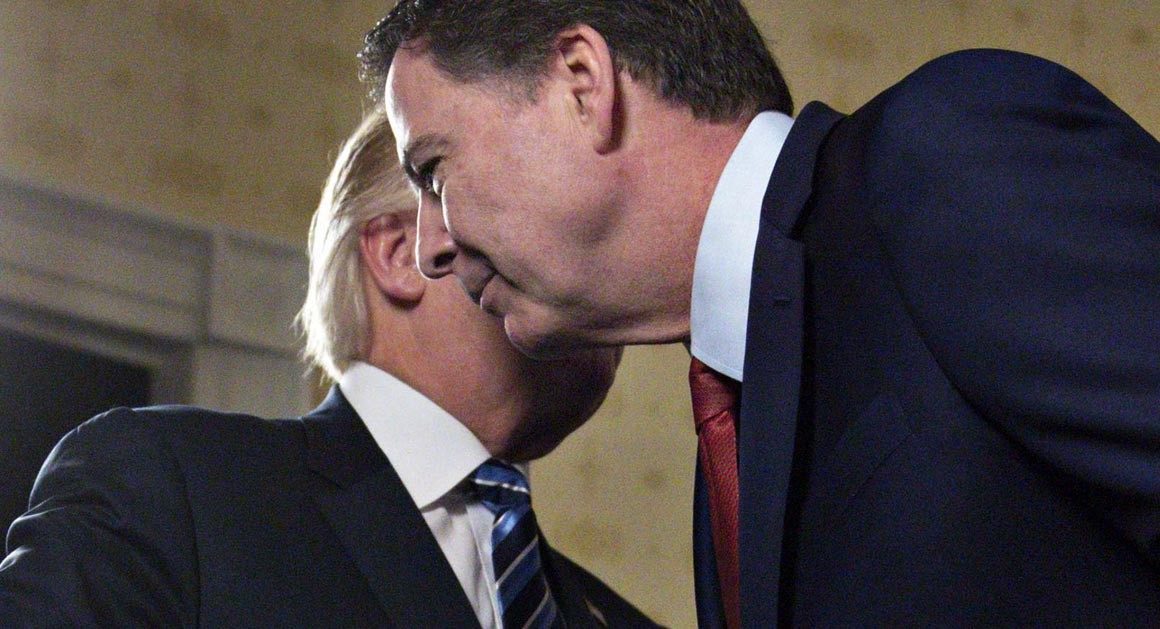
Corey Lewandowski blasted James Comey as not being "man enough".

US President Donald Trump tweeted his thoughts on James Comey days after his testimony, accusing the former FBI director of cowardice by leaking accounts of his meetings with the president.

Star of David

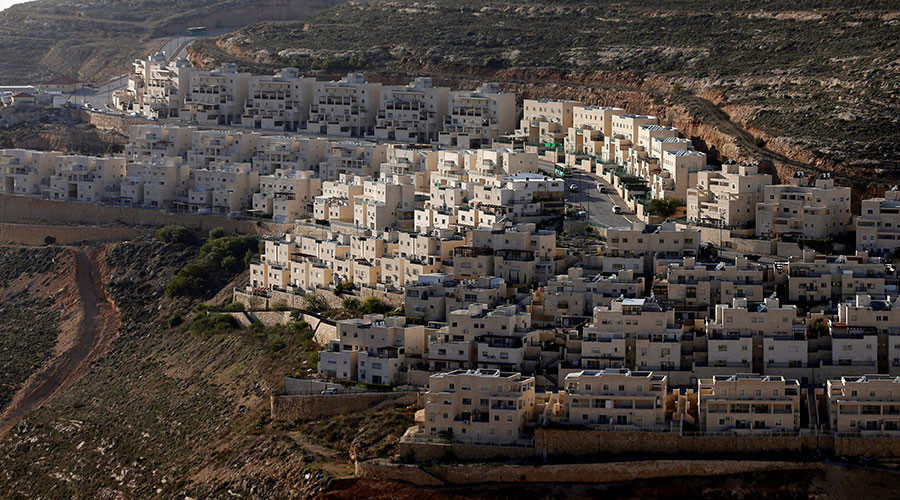
Israel approves largest West Bank settlement expansion in 25 years

Israeli settlements
© Ammar Awad / Reuters
Israel has greenlighted plans for over 8,000 new homes in the West Bank, with over a third for "immediate" construction, the defense minister revealed on Sunday, making it the largest expansion of Jewish settlements in the area in 25 years.

According to Israeli Defense Minister Avigdor Lieberman, 3,651 settlements were approved last week, Haaretz reports. The minister noted that "What we've approved on June 6 and 7 is the maximum that can be approved."

Plans for 8,345 new housing units have been approved by the Israeli authorities so far this year, the Jewish Telegraphic Agency writes, citing Liebermann. Out of these, 3,066 have been given final approval and will soon be built.

"The numbers for the first half of 2017 are the highest since 1992," Lieberman said, as cited by local media and news agencies.