OF THE
TIMES

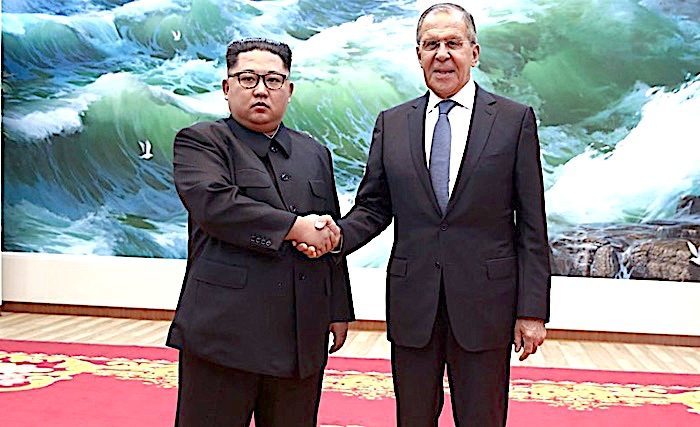
"In regards to sanctions, it is absolutely obvious that starting the whole conversation about the solution of the nuclear problem of the Korean Peninsula, we proceed from the fact that it cannot be complete until the sanctions are abolished," Lavrov said following the talks.Stressing that it is "impossible" to ensure denuclearization in one move, the Russian foreign minister urged North Korean and US diplomats to use the "art of diplomacy" to achieve the desired outcome step-by-step.
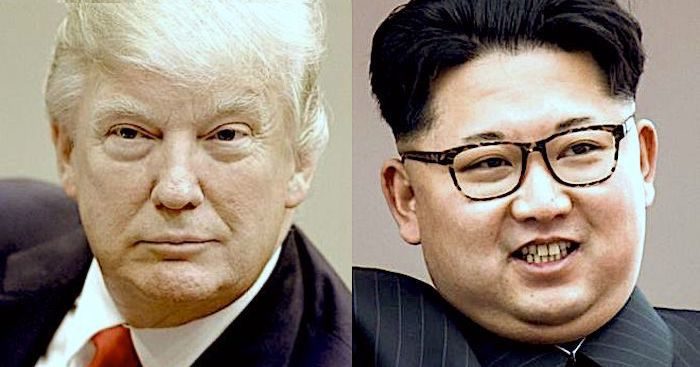
Lavrov said that Russia welcomes the results of recent intra-Korean negotiations and the thawing of relations between North Korea and the US, as the countries prepare to hold a meeting between US President Donald Trump and his counterpart, Kim Jong-un."We welcome those contacts which have been developing between North and South Korea, North Korea and the United States," Lavrov said. "We welcome the summits between Pyongyang and Seoul which have already taken place and the planned meetings at the highest level between the leadership of the Democratic People's Republic of Korea and the US."Russia is prepared to support any "concrete agreements" that might result from negotiations in the UN, provided they "meet the interests of all parties involved, including the DPRK," Lavrov stated.
In the meantime, Moscow believes it should distance itself from the negotiation process and let North Korea conduct its own diplomacy with the United States."I don't think we should explore North Korea's talking points that it plans to bring to the negotiations with the US. Expert consultations are underway in preparation for the talks, and we don't feel like we are in a position to interfere with this process," the foreign minister said.
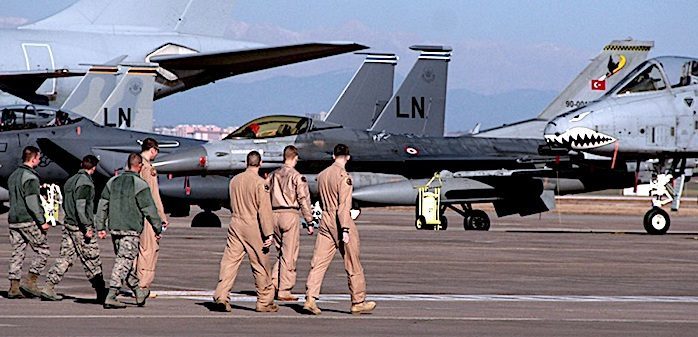
"As regards the F-35 jets, I have no concerns, this contract is legally binding, it cannot be easily terminated. But if these jets are not supplied to Turkey, we will satisfy our needs somewhere else," Cavusoglu said, as quoted by the NTV broadcaster.NATO member Turkey has caused unease in Washington with its decision to buy S-400 surface-to-air missiles from Russia and drawn criticism over its detention of a US Christian pastor, Andrew Brunson, on terrorism charges.
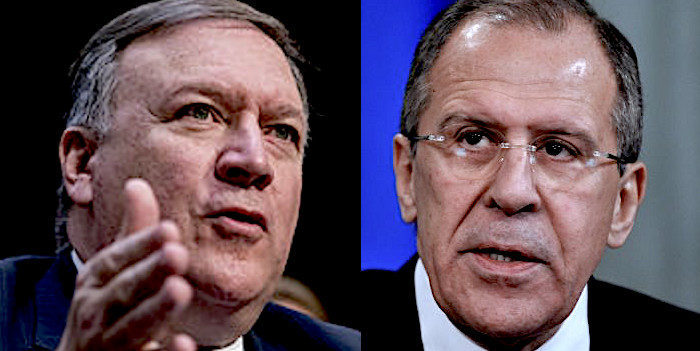
"agreed that it is necessary to work on accomplishing the objectives set in a telephone conversation between Russian President Vladimir Putin and U.S. President Donald Trump. It said the goal should be to settle "the existing disagreements through a professional dialogue in order to normalize the environment of Russia-U.S. interaction."
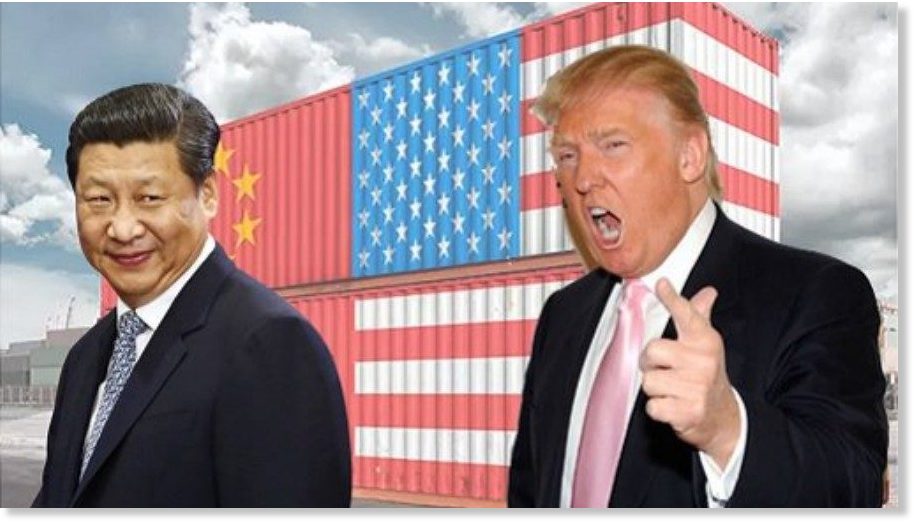
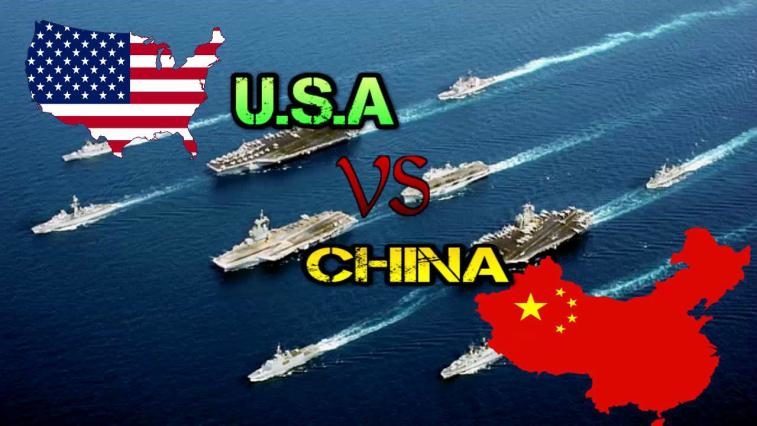
The United States said on Tuesday that it will continue pursuing action on trade with China, days after Washington and Beijing announced a tentative solution to their dispute and suggested that tensions had cooled.
By June 15, Washington will release a list of some $50 billion worth of Chinese goods that will be subject to a 25 percent tariff, the White House said in a statement. The United States will also continue to pursue litigation against China at the World Trade Organization.
In addition, by the end of June, the United States will announce investment restrictions and "enhanced export controls" for Chinese individuals and entities "related to the acquisition of industrially significant technology," it said.
In mid-May, China agreed to increase purchases of U.S. Commerce Department told lawmakers it had reached a deal to put Chinese telecommunications firm ZTE Corp back in business.
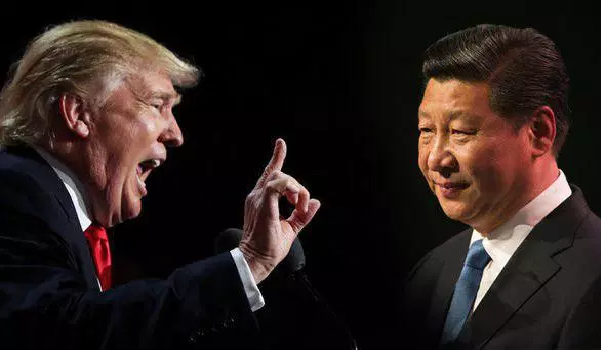
While the announcements eased worries about the possibility of a trade war between world's two largest economies, U.S. President Donald Trump also said last week that any deal between Washington and Beijing would need "a different structure," fueling uncertainty over the talks.
Trump has threatened to impose tariffs on up to $150 billion of Chinese goods to combat what he has labeled unfair trade practices on the part of Beijing. Meanwhile, China has warned of equal retaliation, including duties on some of its most significant U.S. imports, like aircraft, soybeans and vehicles.
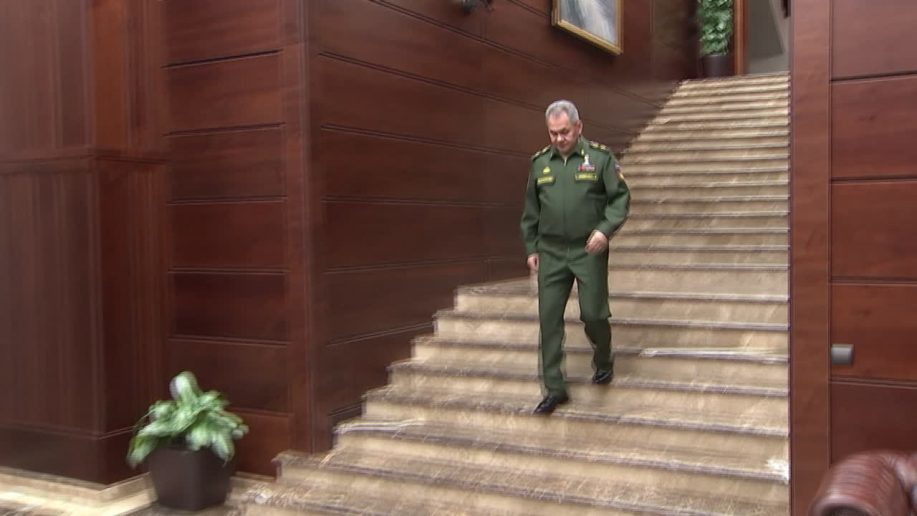
Shoigu noted that the ministers had a number of questions to discuss, including "the issues regarding the border, the south de-escalation zone on which we have an agreement with Jordan and the USA."
At the moment, the control of the border area close to Jordan and Israel is shared between Syrian government forces and different militant groups.
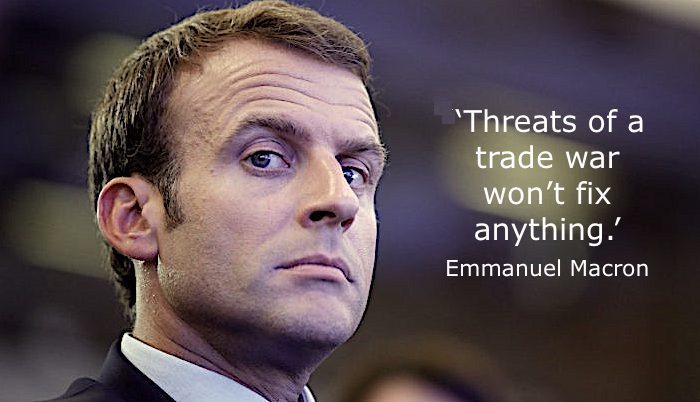
Comment: Trump has sufficiently shaken up the status quo, prompting the complacent into action. Whatever Trump does or doesn't do regarding the tariff threat, the EU is on target to respond with its own safeguard measures.