
© Mint Press News
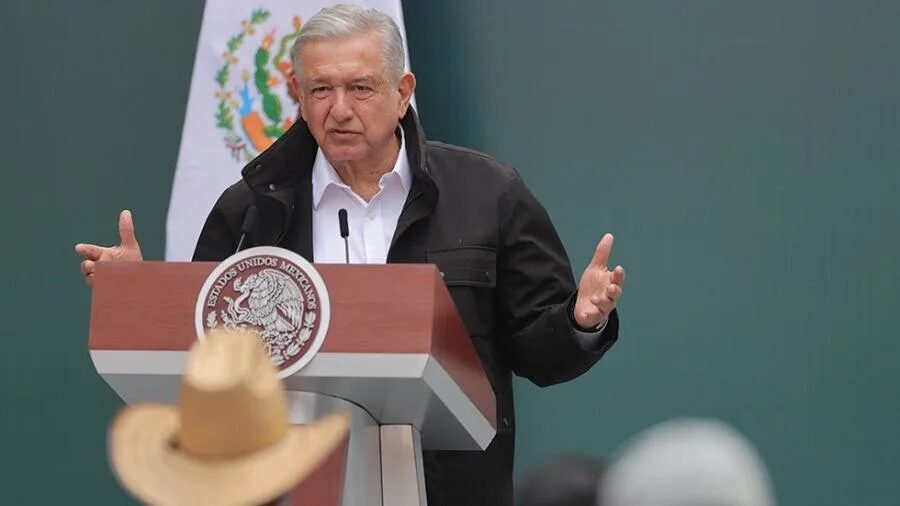


"I stress my firm rejection of such policies and such treatment of Russian diplomats."
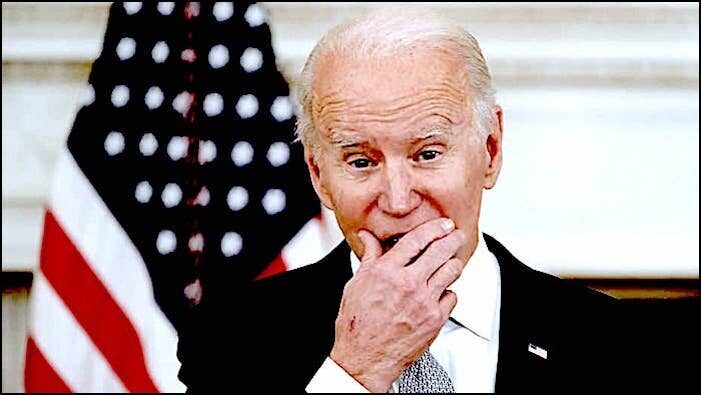
Soaring global inflation. Rising fuel prices. Russia's invasion of Ukraine. A Supreme Court poised to take away a constitutional right. A potentially resurgent pandemic. A Congress too deadlocked to tackle sweeping gun safety legislation even amid an onslaught of mass shootings.In crisis after crisis, the White House has found itself either limited or helpless in its efforts to combat the forces pummeling them. Morale inside 1600 Pennsylvania Ave. is plummeting amid growing fears that the parallels to Jimmy Carter, another first-term Democrat plagued by soaring prices and a foreign policy morass, will stick.
"It's something that has bedeviled quite a few previous presidents. Lots of things happen on your watch but it doesn't mean there is a magic wand to fix it. The limits of the presidency are not well grasped. The responsibility of the president is greater than the tools he has to fix it."
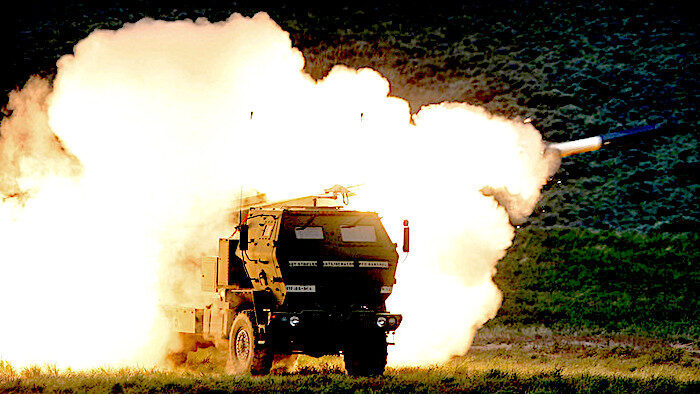
"[The United States has] moved quickly to send Ukraine a significant amount of weaponry and ammunition so it can fight on the battlefield and be in the strongest possible position at the negotiating table. That's why I've decided that we will provide the Ukrainians with more advanced rocket systems and munitions that will enable them to more precisely strike key targets on the battlefield in Ukraine."At least four of the HIMARS systems will be transferred to Kiev, part of a $700 million dollar military aid package sourced from the $8 billion authorized by Congress for direct drawdown from existing US military stocks. As configured for Ukraine, the M142 will be able to fire a pod of six 227mm artillery GPS-guided rockets, with a range of 43.5 miles (70 kilometers). What is known is that Biden will not be supplying Ukraine with the more advanced ATACMS short-range missile, with a range of 300 kilometers.
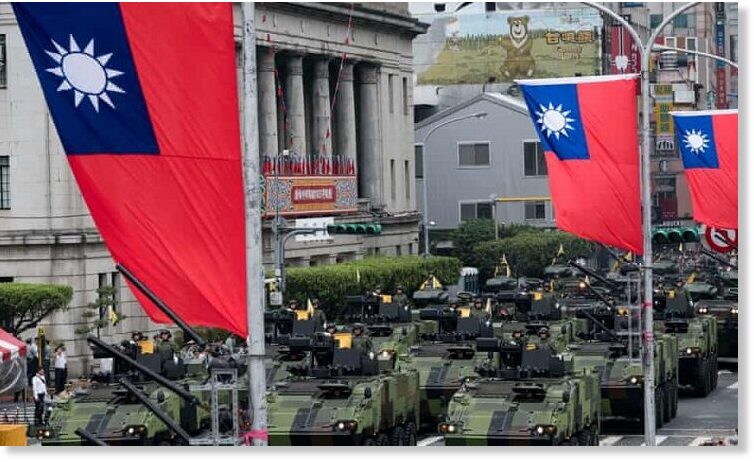
The article also claims:The Biden administration is quietly pressing the Taiwanese government to order American-made weapons that would help its small military repel a seaborne invasion by China rather than weapons designed for conventional set-piece warfare, current and former US and Taiwanese officials say.
The US campaign to shape Taiwan's defenses has grown in urgency since the full-scale Russian invasion of Ukraine ordered in late February by President Vladimir V. Putin. The war has convinced Washington and Taipei that a Chinese invasion of Taiwan in the coming years is now a potential danger — and that a smaller military with the right weapons that has adopted a strategy of asymmetric warfare, in which it focuses on mobility and precision attacks, can beat back a larger foe.




Comment: