Puppet MastersS


Oil Well

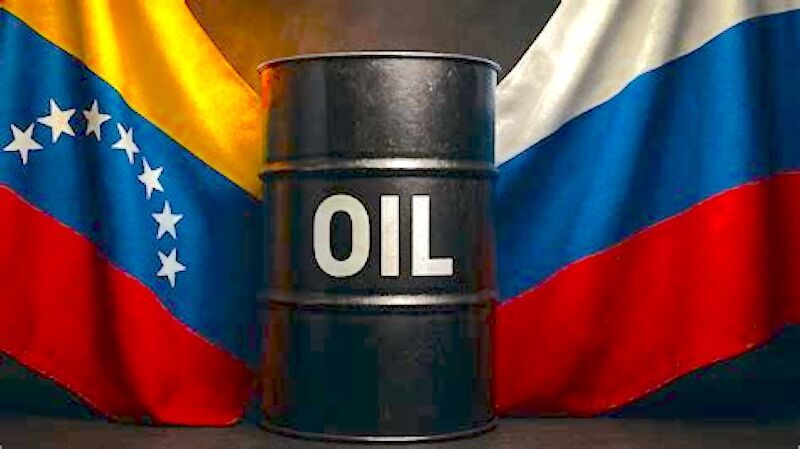
Russia claims ownership of oil assets it's developing in Venezuela

oil flags
© Unknown
Russia on Tuesday asserted ownership of all oil assets a state Russian company is developing in Venezuela, following the claims of U.S. President Donald Trump that major American and Western oil firms would help revive Venezuela's oil industry.

Russia's Roszarubezhneft, a state-owned firm that took over Rosneft assets in 2020 following U.S. sanctions on Rosneft's Venezuelan oil trade, said on Tuesday that "all assets of Roszarubezhneft in Venezuela are owned by the Russian state," as they have been bought at market prices and conditions.

Roszarubezhneft, owned by a unit of the Russian Ministry of Economic Development, was incorporated in 2020. After the U.S. sanctioned two units of Rosneft for trading Venezuelan oil, Roszarubezhneft bought the Venezuelan assets of the Russian state-controlled oil giant Rosneft.

The Russian company said in a statement carried by Russia's news agency TASS:
"All assets of Roszarubezhneft JSC in Venezuela are the property of the Russian state, having been acquired by the Russian side under market conditions, in full compliance with the legislation of the Bolivarian Republic of Venezuela, international law, and interstate agreements between Russia and Venezuela."

Warning

West seeking to 'destroy' Iran through 'color revolution' - Moscow

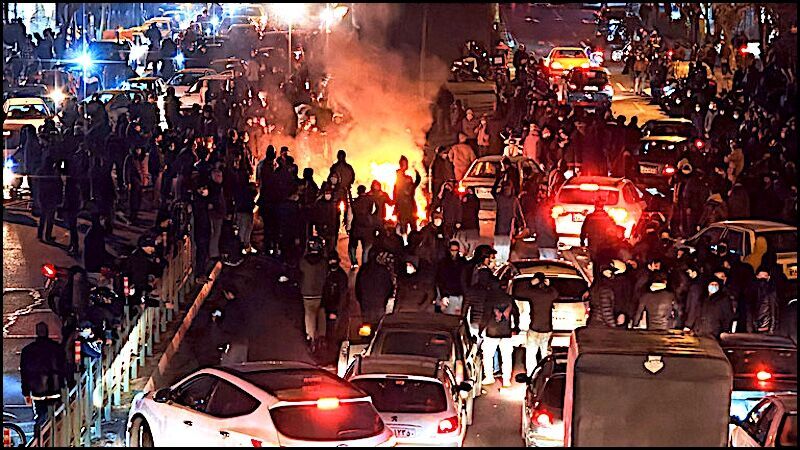
Protest Iran
© Getty ImagesProtesters in Tehran, Iran • January 2026
Illegal sanctions pressure is the root cause of the protests in Iran, Russian Foreign Ministry spokeswoman Maria Zakharova has said.

The West is seeking regime change in Iran and is using the color-revolution playbook, Russian Foreign Ministry spokeswoman Maria Zakharova has said, commenting on the ongoing protests in the Islamic Republic.

Foreign nations want to turn a peaceful protest into "cruel and senseless unrest," she warned, adding that Moscow condemns interference in Iran's internal affairs.

US President Donald Trump has openly expressed support for the protesters in recent days. The US is "locked and loaded" to intervene in Iran to support the demonstrations, he said, adding that America will "start shooting" if the authorities use force against the crowds.

Israel openly endorsed the unrest as well. The intelligence agency Mossad has admitted to having operatives in the Islamic Republic.

Attention

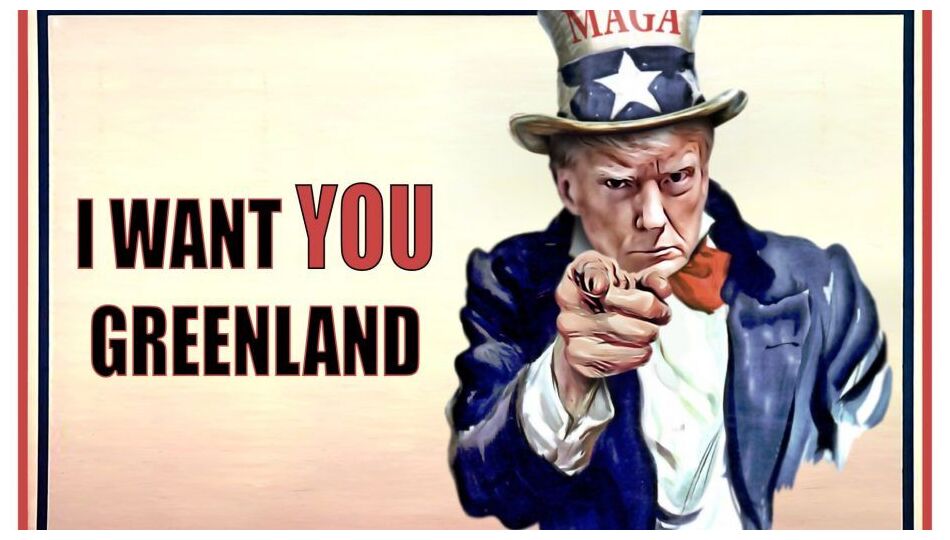
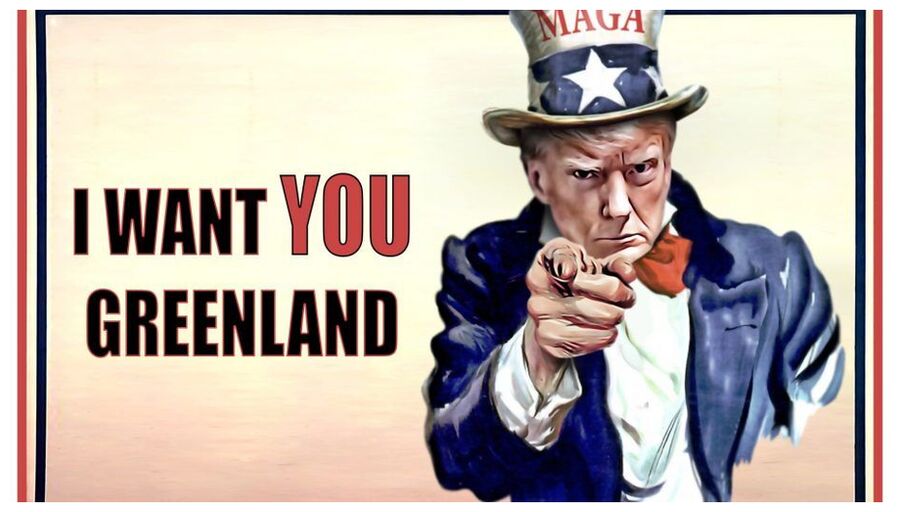
Will the U.S. and Europe go to war over Greenland?

DJT and Greenland
© Strategic Culture Foundation
In short, the answer is No. As one media commentator remarked vividly this week, the European leaders have less backbone than a jellyfish, so all their wobbly concern about Donald Trump wanting to annex the Danish Arctic territory will amount to little in the way of an armed conflict.

There may be some theatrics as in the deployment of European troops this weekend to Greenland. There will be lots of bluster from European politicians. But at the end of the day, the vassals will be slapped into line.

However, the mere fact that there is a theoretical question is instructive of how abnormal international relations have become under the 47th president of the United States. In a crazy sort of way, that is good because it exposes the fraud and bankruptcy of the "moral West."

For eight decades since the end of World War II, the U.S. has posed as the defender of European allies. The transatlantic alliance in the form of the North Atlantic Treaty Organization was supposed to be the cornerstone of Western democracy, peace, security, and international law.

Now, with Trump's unalloyed ambition to annex Greenland, by military force if necessary, the whole facade of NATO is upended. The alliance is being attacked by its supposed leader, the United States.

Denmark and other European states are distraught, saying that if Trump goes ahead with his threats to "conquer Greenland," then it is the end of NATO.

Bring it on.

This week, Danish and Greenlandic diplomats met with Trump administration officials, Vice President JD Vance, and Secretary of State Marco Rubio at the White House to plead for respecting the sovereign rights of Denmark and Greenland.

Trump is having none of the diplomatic niceties. He continues to insist on taking Greenland under U.S. control, and he is not ruling out the use of military force. The American president has declared that the annexation is a matter of national security for the U.S. because, he claims, the Arctic territory is in danger of being taken by China and Russia.

China rebuked Trump for invoking it as a threat to justify his territorial acquisition.

Russia is the largest Arctic territory, and its North Sea Route is a strategically important shipping conduit between Europe and Asia. It doesn't need Greenland.

Green Light

China 'more predictable' than US - Canadian PM Mark Carney

Mark Carney in China
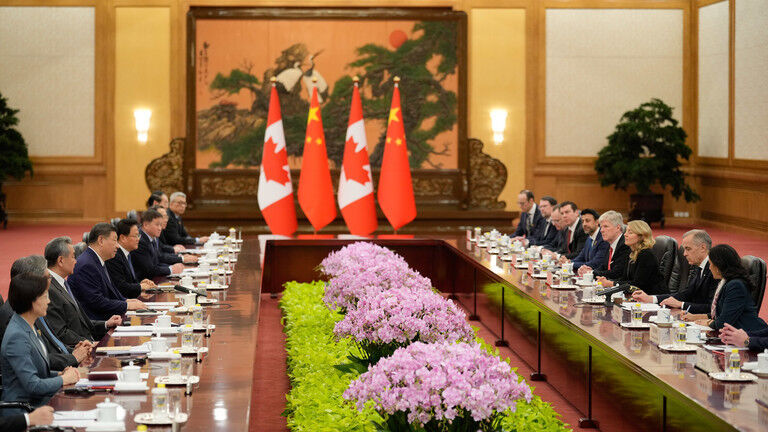
Chinese President Xi Jinping and Canadian Prime Minister Mark Carney meeting at the Great Hall of the People in Beijing.
Donald Trump has said he is "OK" with the rapprochement between Ottawa and Beijing.

It is easier for Canada to deal with China these days than with its neighbor and main trading partner, the US, Canadian Prime Minister Mark Carney has said.

While running for office in April 2025, Carney labeled Beijing the main security threat to Ottawa. However, he appeared to have reversed his stance after US President Donald Trump repeatedly suggested that America's northern neighbor could become the 51st state and slapped hefty tariffs on the country last year.

On Friday, Carney held talks with Chinese President Xi Jinping in Beijing, becoming the first Canadian leader to visit the Asian nation in eight years. Relations between the two countries had been tense for a long time.

When asked by journalists afterwards to weigh in on the current state of Ottawa's ties with both Washington and Beijing, the Canadian Prime Minister noted that "with the US, our relationship, this is no insight, is much more multifaceted, much deeper, much broader, than it is with China."

Comment: Following the example of the US, the other western countries are starting to look out for their own interests. This is done not least because they have realised that the US is not going to do them any favours.


Uzi

Luxumbourg, the first EU nation to issue its first-ever war bond

piggy bank
Luxembourg, the smallest NATO member, has opted for the debt instrument to meet the bloc's defense spending requirements.

Luxembourg has issued its first-ever war bond, becoming the first EU country to issue such a debt security since World War Two.

The issuance of the bond was announced on Thursday by Finance Minister Gilles Roth, who said the initiative was designed to "make citizens' savings more available for economic development." According to the minister, there is some €33.4 billion ($38.7 billion) accumulated in private accounts in Luxembourg, and the government is looking forward to tapping into the funds.

"We are the first European country since the Second World War to introduce a defense bond. No state has issued an instrument of this kind for 80 years," Roth said at a press conference.


Comment: So in other words, the state wants to raid the savings which people have put aside.


Comment: Calling a fixed interest rate of 2.25% for 3 years as an extremely lucrative offer in a very volatile environment is a strange use of superlatives. It sounds like the snake oil salesman promising the sky if only you buy his product for your hard earned money.
The people would probably do better to invest a little in physical gold and silver which are more likely to actually give a return apart from being protected from inflation.


No Entry

Trump kicking BRICS out of the Americas

Brics meetup
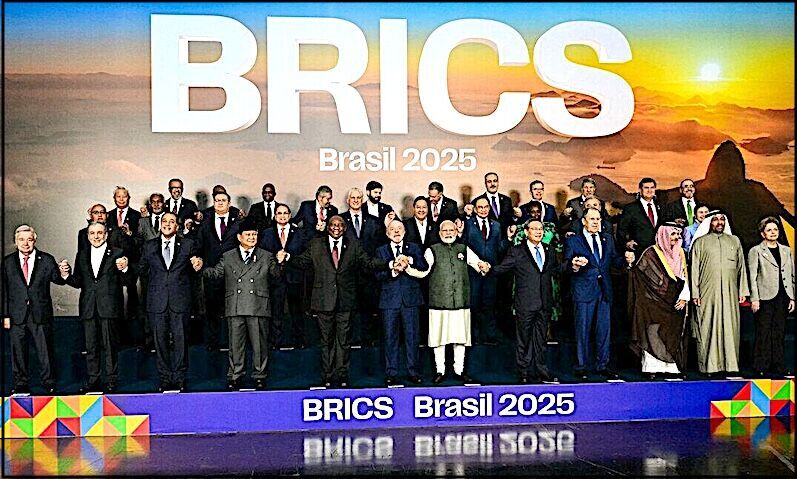
Attendees of BRICS 2025
Since the end of the Bretton Woods system in 1971, the U.S. dollar has dominated global finance as the chief reserve currency. It's used in international trade, sovereign lending, and central bank reserves. This dominance allows the United States to borrow cheaply and wield great financial leverage globally.

Recent actions by the Trump administration, sometimes labeled a neo-Monroe Doctrine for its assertive posture toward perceived rivals, can be understood through the lens of preserving dollar supremacy against challenges from rising powers like China and Russia.

The Rise of De-dollarization

Though the dollar remains dominant, its grip has been weakening over decades. According to IMF and central bank data, the dollar's share of global foreign-exchange reserves has fallen from over 70 percent in 2000 to under 60 percent in recent years; this reflects broader moves by countries to diversify away from U.S. currency dependence. At the same time, China's share has increased substantially.

Meanwhile, states are increasingly engaging in de-dollarization, which means reducing the use of the dollar in international trade and reserves. This trend is driven in part by a desire to decrease exposure to U.S. monetary policy and sanctions, including increased tariffs and unilateral economic measures against trading partners and adversaries.

Bizarro Earth

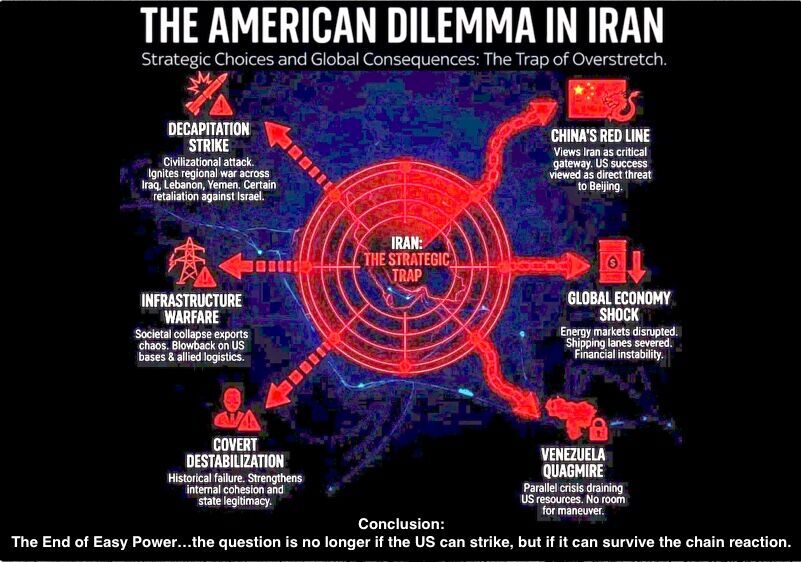
The American dilemma in Iran: Strategic choices and global consequences

American dilemma chart
For over forty years, the United States has treated Iran as a central obstacle to its dominance in the Middle East. Sanctions, covert operations, cyberattacks, and military threats have all been deployed, yet none have produced decisive results. Instead, these efforts have created a strategic trap, one where every option carries risks that may outweigh potential gains. Today, Washington is not only questioning how to defeat Iran, it is questioning whether it can survive the consequences of trying. What makes this moment particularly perilous is the convergence of multiple pressure points: domestic unrest narratives in Iran, growing regional hostility toward U.S. presence, China's expanding influence, and a deteriorating situation in Venezuela. Together, they reshape the cost-benefit logic of any action and reveal the strain of American power across too many fronts.

Decapitation Strike: A Shortcut to Regional War

One extreme option is a direct military strike against Iran, potentially including the assassination of Supreme Leader Ayatollah Seyyed Ali Khamenei and the destruction of key military and civilian infrastructure. Khamenei is not merely a political figure; he is a major Shiite religious authority. His assassination would likely be perceived as a civilizational attack, sparking mass mobilization, asymmetric warfare, and retaliation across Iraq, Lebanon, Yemen, the Gulf, and beyond. Rather than neutralizing Iran, such an action would almost certainly ignite a regional war with severe global consequences: energy market shocks, disrupted shipping lanes, and financial instability. Historical parallels, such as the U.S. invasion of Iraq in 2003 and the subsequent regional fallout, illustrate the scale of potential blowback.

Comment: Author provides a logical consolidation of motives, facts and potential results.


Telephone

Dialogue with Russia is back on Europe's agenda. What's the catch?

2 flags
© Ria Novosti/KJN
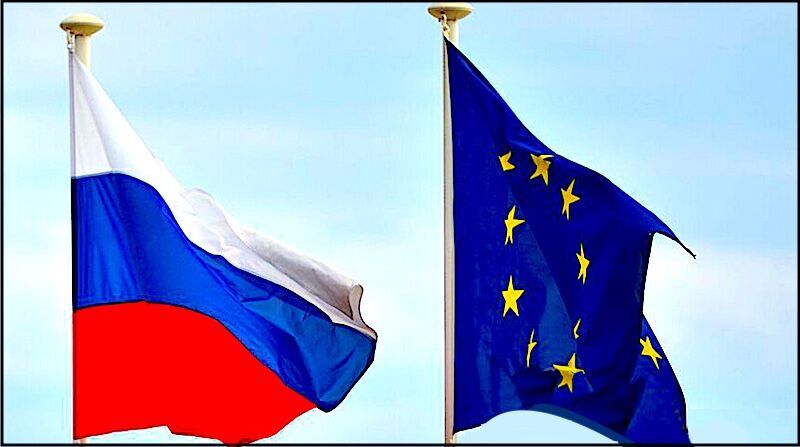
Calls to resume dialogue between the European Union and Russia are becoming increasingly frequent in European capitals. French President Emmanuel Macron has spoken about this in recent weeks. He was supported by Italian Prime Minister Giorgia Meloni. Western media also report that ideas to intensify contacts with Moscow are gaining broad support across EU countries. According to Politico, the European community is discussing the possibility of appointing an envoy to resolve the conflict in Ukraine and to speak with Moscow.

What exactly are European leaders saying, and what's the reaction from Moscow? We break it down in this BelTA overview.

Macron's false start

As early as 19 December, following the EU summit in Brussels, French President Emmanuel Macron stated that it was time for Europe to resume dialogue with Russia.
"I believe that it's in our interest as Europeans and Ukrainians to find the right framework to re-engage this discussion. Otherwise, we'll end up talking amongst ourselves with negotiators who will engage with the Russians alone, which isn't ideal."

Comment: The EU political merry-go-round...circular and going nowhere.


Question

Why'd the US signal support for NATO troops in Ukraine?

PutinTrumpZel
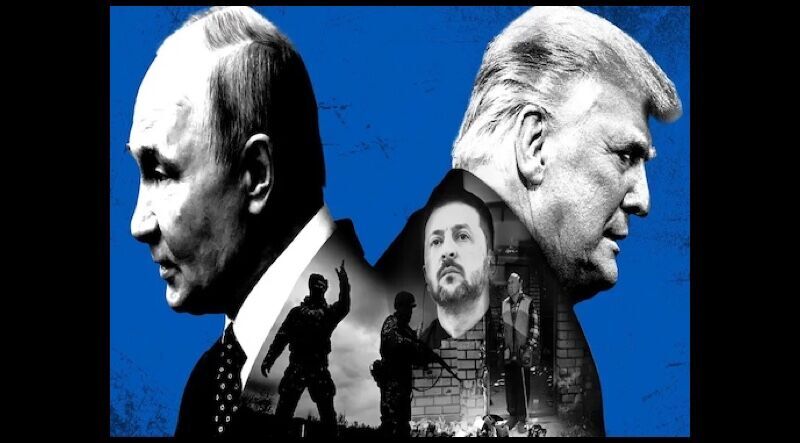
© UnknownPresidents Putin and Trump and the unending Ukraine saga
It might be a negotiating tactic to pressure Russia into concessions on its maximalist goals in the conflict as a quid pro quo for not reprioritizing Russia's containment over China's by extending Article 5 to NATO states' troops in Ukraine and thus reducing the odds that they'll actually deploy there.

France and the UK recently committed to deploying troops to Ukraine in the event of a ceasefire as part of their latest proposed security guarantees to that country, the principle of which was praised for the first time ever by Steve Witkoff and Jared Kushner, the US' Special Envoys for talks with Russia. The Paris Declaration that France and the UK signed also pledged their support for "Participation in a proposed US-led ceasefire monitoring and verification mechanism". All of this certainly raises concern in Russia.

Secretary of War Pete Hegseth declared last February during his speech at NATO HQ that his country won't consider member states' troops in Ukraine to be covered by Article 5 and won't deploy any of its own there either as part of any security guarantee. In light of the Paris Declaration, however, some in Russia might wonder whether the US is soon planning to reverse both policies to protect its NATO allies' troops in Ukraine upon their deployment and deploy its own there too for monitoring a ceasefire.

Che Guevara

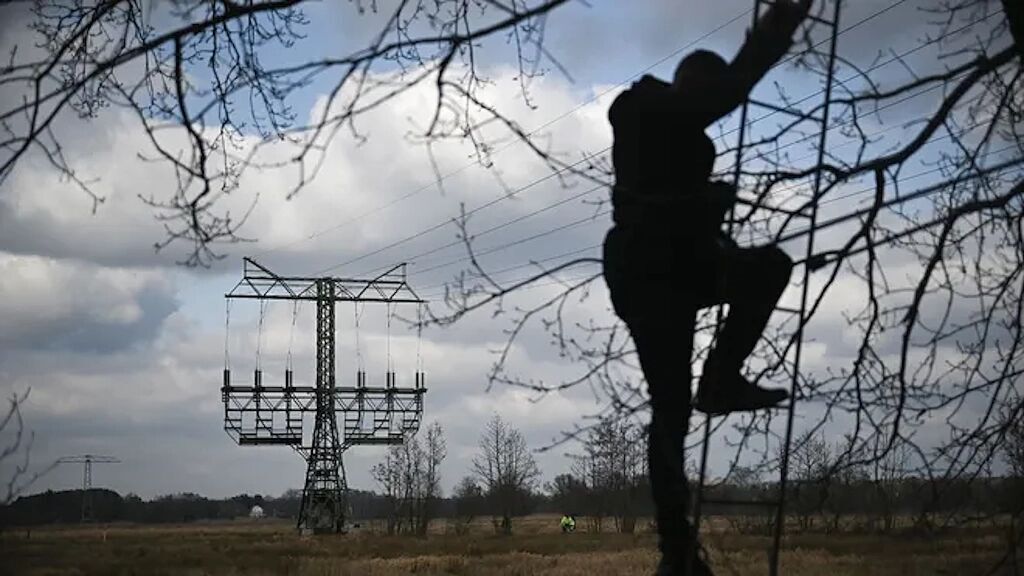
Berlin Greens pushed to deflect blame for power grid sabotage: Internal email tells MPs 'not to focus' on far-left perpetrators

electrician fix power lines germany arson blackout
© Sebastian Gollnow/​dpa
Berlin Greens lawmakers were instructed to ignore the fact the power outage was a far-left attack, and focus on criticizing the mayor for his response

An internal email from the Berlin Green Party parliamentary group has revealed a deliberate communication strategy following the sabotage attack on the city's power grid by far-left activists, instructing lawmakers not to focus on the perpetrators and instead to direct public criticism toward Governing CDU Mayor Kai Wegner.

According to Bild, which obtained the document and said its authenticity was confirmed by the parliamentary group, the email sets out a "communication line" on the issue of the power outage and Wegner's handling of the crisis.

The message states that the Greens have "a strategic interest in ensuring that the debate surrounding Kai Wegner receives prolonged media coverage and remains a leadership/competence issue for the Governing Mayor," framing the core message as: "Kai Wegner is incapable of handling a crisis."

Comment: The Greens may not have been directly involved in the arson, but they still swooped in on the crisis for their own ends. So much for serving their constituents.

Climate extremists claim responsibility for blackout affecting 50,000 households