
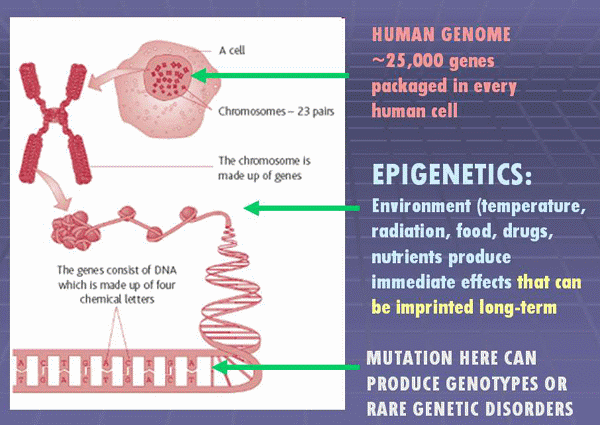
The field of epigenetics looks at chemical modifications to DNA, known as epigenetic marks, that influence which genes are expressed -- or turned on or off. Some epigenetic marks stay in place throughout a person's life, but others may be added or removed in response to environmental factors such as diet, disease and climate. If the modification is made to sperm or egg DNA, the changes could be inherited.
"By looking at epigenetic marks, we can better understand what genes are expressed during a person's life and how different environmental stresses shaped physical traits and health across generations," said UT Austin anthropology researcher Rick Smith, lead author of the study.
Previous studies of modern DNA looked at people who experienced famine in utero during World War II, revealing epigenetic changes related to diet, growth and metabolism. Similarly, other modern DNA studies have shown that some epigenetic marks are tied to cancer and may contribute to the development of the disease. Researchers say that investigating these marks in ancient DNA could improve understanding of the health of ancient populations.















Comment: Crash course in avoidance? It would seem logical that any emergency rerouting of an airline, for such circumstances as weather anomalies, would take into consideration a trajectory that excludes dangerous landmarks, such as the highest mountain/active volcano in Cameroon!