Science & TechnologyS


2 + 2 = 4

Form of vitamin B3 stops the aging process of organs

Nicotinamide riboside rejuvenates stem cells, allowing better regeneration processes in aged mice

Mice
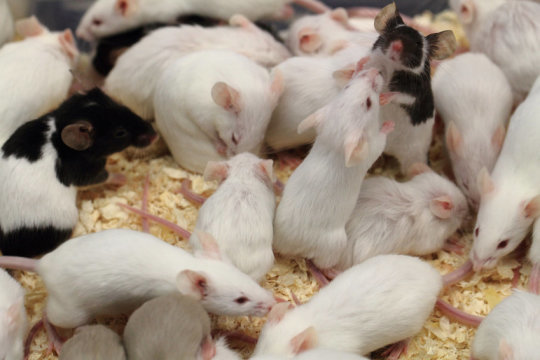
© jonnysek / FotoliaAs mice, like all mammals, age, the regenerative capacity of certain organs (such as the liver and kidneys) and muscles (including the heart) diminishes. The effects of Nicotinamide riboside (NR) can only be described as restorative.
Nicotinamide riboside (NR) is pretty amazing. It has already been shown in several studies to be effective in boosting metabolism. And now a team of researchers at EPFL's Laboratory of Integrated Systems Physiology (LISP), headed by Johan Auwerx, has unveiled even more of its secrets. An article written by Hongbo Zhang, a PhD student on the team, was published today in Science and describes the positive effects of NR on the functioning of stem cells. These effects can only be described as restorative.

As mice, like all mammals, age, the regenerative capacity of certain organs (such as the liver and kidneys) and muscles (including the heart) diminishes. Their ability to repair them following an injury is also affected. This leads to many of the disorders typical of aging.

Comet 2

Rocky comet from Oort Cloud may provide clues about origin our Solar System

C/2014 S3 (PANSTARRS)
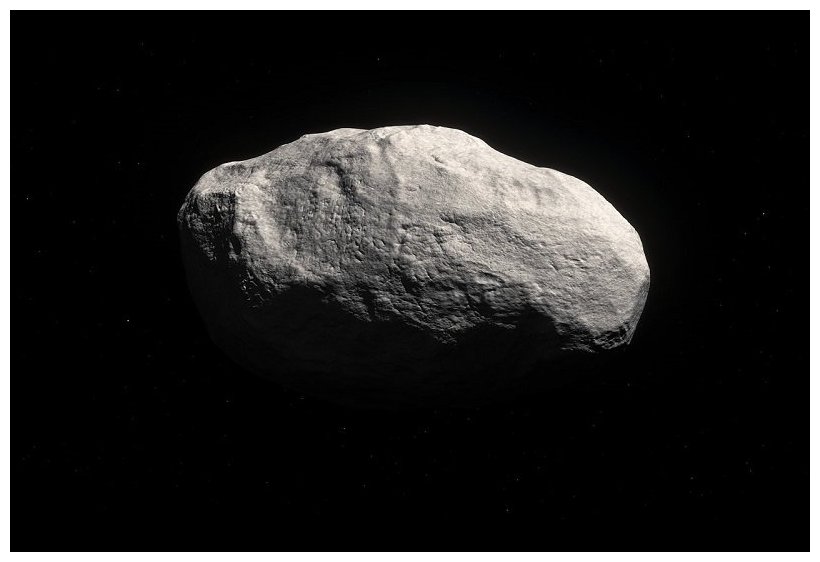
© ESO/M. Kornmesser Artist's impression of the unique object C/2014 S3 (PANSTARRS). Observations with ESO's Very Large Telescope, and the Canada France Hawai`i Telescope, show that this is the first object to be discovered that is on a long-period cometary orbit, but that has the characteristics of a pristine inner Solar System asteroid. It may provide important clues about how the Solar System formed.Because the object has spent most of its life away from the inner Solar System it suffered very few collisions, and its surface displays few or no craters. As it formed in the same region as the Earth did, it is mostly rocky, and therefore has only very limited cometary activity.
In a paper to be published today in the journal Science Advances, lead author Karen Meech of the University of Hawai'i's Institute for Astronomy and her colleagues conclude that C/2014 S3 (PANSTARRS) formed in the inner Solar System at the same time as the Earth itself, but was ejected at a very early stage.

Their observations indicate that it is an ancient rocky body, rather than a contemporary asteroid that strayed out. As such, it is one of the potential building blocks of the rocky planets, such as the Earth, that was expelled from the inner Solar System and preserved in the deep freeze of the Oort Cloud for billions of years.

Karen Meech explains the unexpected observation: "We already knew of many asteroids, but they have all been baked by billions of years near the Sun. This one is the first uncooked asteroid we could observe: it has been preserved in the best freezer there is."

C/2014 S3 (PANSTARRS) was originally identified by the Pan-STARRS1 telescope as a weakly active comet a little over twice as far from the Sun as the Earth. Its current long orbital period (around 860 years) suggests that its source is in the Oort Cloud, and it was nudged comparatively recently into an orbit that brings it closer to the Sun.

Mars

Curiosity rover reaches highest-ever vantage point and takes stunning 360° Mars panorama

Picture of Mars
© nasa.gov
NASA's Curiosity Rover overcame rough terrain to climb the Naukluft Plateau, eroded by millions of years of winds. Operators now need its wheels to last for the most important parts of its remaining mission, searching for evidence of ancient life forms.

During its 44-month long mission, the vehicle has traveled 12.7km across the Martian surface, but few as difficult as the knobby and angled surface it has navigated this spring. It moved from dunes, up towards its next mountain destination, to take all-around pics of the bleak vista.

Fireball 5

Earth's earliest crystals may have formed in craters left by violent asteroid impacts

zircon crystal
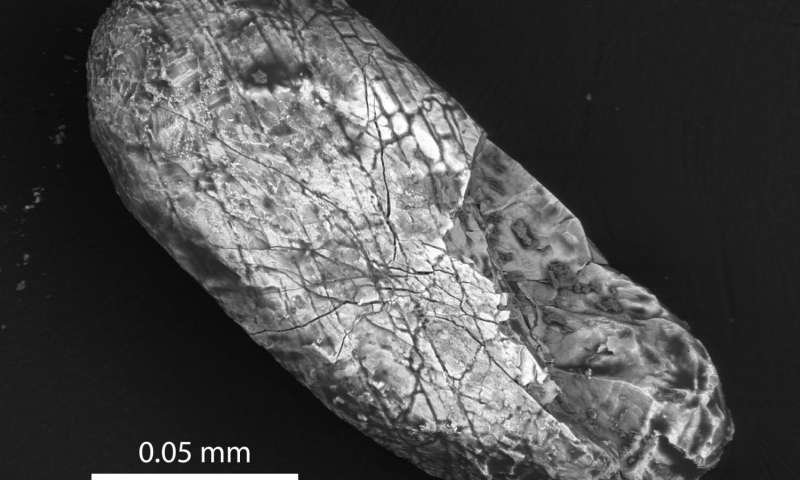
© Gavin Kenny, Trinity College Dublin.Scanning electron microscope picture of a zircon crystal from the Sudbury crater.
New research suggests that the very oldest pieces of rock on Earth—zircon crystals—are likely to have formed in the craters left by violent asteroid impacts that peppered our nascent planet, rather than via plate tectonics as was previously believed.

Rocks that formed over the course of Earth's history allow geologists to infer things such as when water first appeared on the planet, how our climate has varied, and even where life came from. However, we can only go back in time so far, as the only material we have from the very early Earth comes in the form of tiny, naturally occurring zircon crystals.

Naturally then, the origin of these crystals, which are approximately the width of a human hair and more than four billion years old (the Earth being just over four and a half billion years old), has become a matter of major debate. Fifteen years ago these crystals first made headlines when they revealed the presence of water on the surface of the Earth (thought to be a key ingredient for the origin of life) when they were forming.

Ten years ago, a team of researchers in the US1 argued that the ancient zircon crystals probably formed when tectonic plates moving around on the Earth's surface collided with each other in a similar fashion to the disruption taking place in the Andes Mountains today, where the ocean floor under the Pacific Ocean is plunging under South America.

However, current evidence suggests that plate tectonics—as we know it today—was not occurring on the early Earth. So, the question remained: Where did the crystals come from?

Beaker

HIV researchers discover potential long-term protection against deadly virus

hiv vaccine
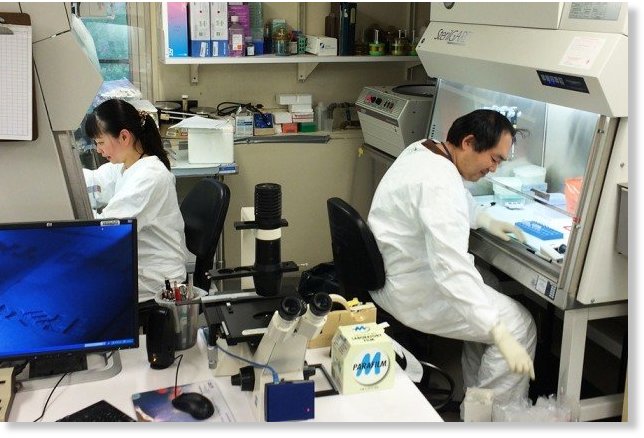
© Malcom Martin / NIH / NIAIDThe team behind the study
While a lifetime vaccine for HIV still remains unavailable, a major breakthrough experiment using a different technique paves the way for effective long-term protection against the deadly virus.

"This might turn out to be a seasonal alternative to a vaccine until we really know how to make one," said HIV researcher Malcolm Martin of the US National Institute of Allergy and Infectious Diseases in Bethesda, Maryland, the lead author of a new study published in Nature.

A vaccine activates the organism's own defense, so that it begins producing antibodies that fight a disease. But in this case, American and German scientists injected ready-made antibodies which were produced by infected humans and then processed in a lab.

During the trial study, a group of macaques were exposed to doses of HIV, and its simian equivalent SIV, with scientists noting that the animals became infected within two to six exposures.

Attention

New study: Water and soil contamination from fracking wastewater spills is widespread and persistent

fracking wastewater spills
© Avner VengoshOne of the 9,700 oil and gas wells drilled in North Dakota in the last decade. A Duke study has found wastewater spills are widespread, causing long-lasting contamination of soil and water.
Accidental wastewater spills from unconventional oil production in North Dakota have caused widespread water and soil contamination, a new Duke University study finds.

Researchers found high levels of ammonium, selenium, lead and other toxic contaminants as well as high salts in the brine-laden wastewater, which primarily comes from hydraulically fractured oil wells in the Bakken region of western North Dakota.

Streams polluted by the wastewater contained levels of contaminants that often exceeded federal guidelines for safe drinking water or aquatic health.

Soil at the spill sites was contaminated with radium, a naturally occurring radioactive element found in brines, which chemically attached to the soil after the spill water was released.

At one site, the researchers were still able to detect high levels of contaminants in spill water four years after the spill occurred.

"Until now, research in many regions of the nation has shown that contamination from fracking has been fairly sporadic and inconsistent," said Avner Vengosh, professor of geochemistry and water quality at Duke's Nicholas School of the Environment. "In North Dakota, however, we find it is widespread and persistent, with clear evidence of direct water contamination from fracking."

Comment:


Rocket

Russia's new cosmodrome launches first-ever rocket

Russian rocket launch from cosmodrome
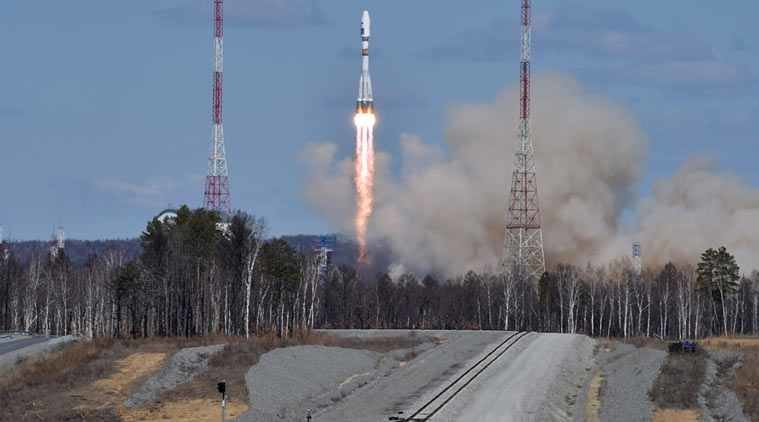
© ReutersA Russian Soyuz 2.1a rocket carrying Lomonosov, Aist-2D and SamSat-218 satellites lifts off from the launch pad at the new Vostochny cosmodrome outside the city of Uglegorsk, about 200 km from the city of Blagoveshchensk in the far eastern Amur region on April 28, 2016.
Russia's new Vostochny Cosmodrome has conducted its first space launch on Thursday. A Soyuz rocket boosted three scientific and distance viewing satellites into orbit.

The lift-off took place at 5:01am Moscow time (2:01am GMT) and some 8 minutes 44 seconds into the flight the Volga upper stage carrying three satellites successfully separated from the Soyuz rocket.

The satellites are scheduled to separate from the launch vehicle shortly after 7:00am MSK, when it reaches its designated orbit.

The launch on Thursday was observed by Russian President Vladimir Putin, who decided to stay for an extra day to personally take part in the event.

"I want to congratulate you. There's a lot to be proud of," Putin told Roscosmos staff following the successful launch. "The launch could technically have taken place yesterday, but the hardware overreacted and it was aborted. But that's a normal occurrence."

"Most importantly, the launch complex you developed is operating, functioning well," the president added. "There's a lot of work up ahead, but this was certainly a very serious, significant step in the development of Russian cosmonautics."


Pi

Scientists discover existence of zinc "sparks" at moment of human conception

human conception
© Northwestern News / Vimeo
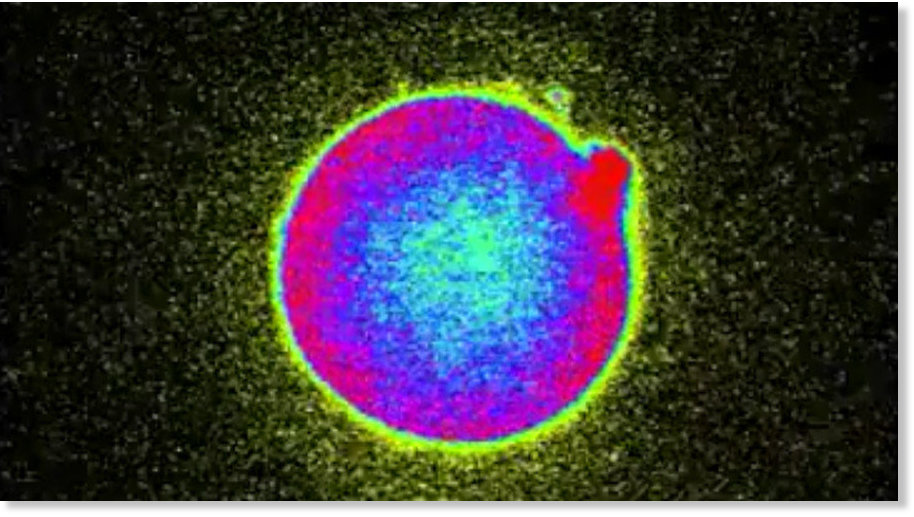
"Sparks" flew when Northwestern University researchers discovered a sperm enzyme's activation of a human egg creates an explosion of zinc. The size of these "sparks" is a direct measure of the quality of the egg and its ability to develop into an embryo.

When they injected a sperm enzyme into the human egg, the researchers found it triggered an increase in calcium within the egg, causing zinc to be released. As the zinc is released from the egg, it binds to small molecule probes, which emit light, the fluorescence microscopy experiments showed.

This is the first time the zinc "sparks" have been documented in human egg fertilization.

"All of biology starts at the time of fertilization, yet we know next to nothing about the events that occur in the human," said Teresa Woodruff, a professor of obstetrics and gynecology and one of the study's two senior authors at Northwestern, said in a statement. "It was remarkable...to see the zinc radiate out in a burst from each human egg was breathtaking."


Eye 1

Total surveillance: Your smart devices can now spy on your every move

surveillance, smart devices spying
Home smart devices are ideal for spying on you
We now have dozens of smart devices in our houses and even on our bodies. They improve our lives in so many ways - from lowering energy consumption in our homes to egging us on to be active.

But these smart devices respond to whatever commands they are given: we've had security experts demonstrate how cars can be hijacked remotely and medical devices in your body can be hacked and turned into lethal weapons. These risks are now well-recognized by technology developers, and there is a great deal of excellent work going on toward how to avoid them.

But there are other dangers we should be more concerned about that are getting less attention. Your gadgets could be providing a window that any hacker could see right through to spy on you

Your stuff is surveilling you


Your laptop has a video camera built into it. When it's recording, a little green light blinks on so you're aware you're being recorded. But it can be instructed to videotape your activities without the green camera light being on. And this is not just an in-laboratory warning of a hypothetical danger; it has actually been done, by over-eager school officials and by peeping Toms.

At least you can turn off your laptop: when it is shut, the camera can see only "the other side" of the laptop. But this quick fix doesn't apply to sound recording devices, like microphones. For example, your phone could listen to conversations in the room even when it appears to be off. So could your TV, or other smart appliances in your home. Some gadgets - such as Amazon's Echo - are explicitly designed to be voice activated and constantly at the ready to act on your spoken commands.

It's not just audio and video recording we need to be concerned about. Your smart home monitor knows how many people are in your house and in which rooms at what times. Your smart water meter knows every time a toilet is flushed in your home. Your alarm clock knows what time you woke up each day last month. Your refrigerator knows every time you filled a glass of cold water. Your cellphone has a GPS built into it that can track your location, and hence record your movements. Yes, you can turn off location tracking, but does that mean the phone isn't keeping track of your location? And do you really know for sure your GPS is off simply because your phone's screen says it is? At the very least, your service provider knows where you are based on the cellphone towers your phone is communicating with.

We all love our smart gadgets. But beyond the convenience factor, the fact that our devices are networked means they can communicate in ways we don't want them to, in addition to all the ways that we do.

Comment: George Orwell's prescient vision has now become our reality: "You had to live—did live, from habit that became instinct—in the assumption that every sound you made was overheard, and, except in darkness, every movement scrutinized."— George Orwell, 1984


Binoculars

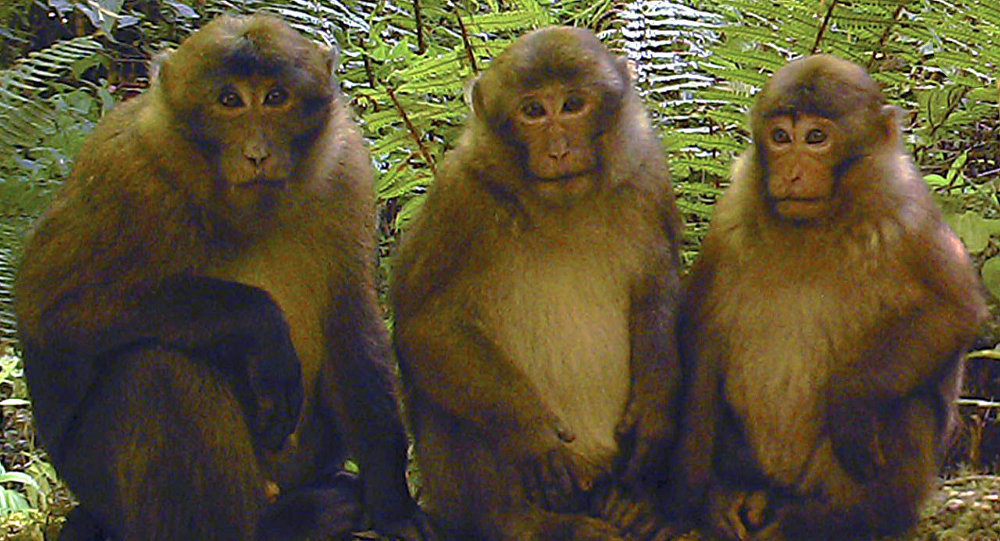
New species of primate, the White-cheeked macaque discovered in northeast India

white-cheeked macaque
A new species of primate, the White-cheeked macaque, has been spotted in Arunachal Pradesh by a team of researchers from North East India.

The White-cheeked macaque (Macaca leucogenys), a species new to science, was first discovered in Arunachal Pradesh's Anjaw district, bordering the Tibet region of China by a group of biologists and wildlife photographers last year, during a bird watching trip. However it took nearly a year for the scientific community to acknowledge that it was a new species different from macaques normally found in this region.

They narrowly missed being the first in the world to formally report the species after spotting the primate. A group of Chinese researchers, led by Cheng Li had beaten them to it by days reporting the discovery of the species in the American Journal of Primatology. Formally reporting a find in a journal takes precedence over spotting a species.