© SkyandTelescope.com, Rick Scott and Joe Orman/Associated Press
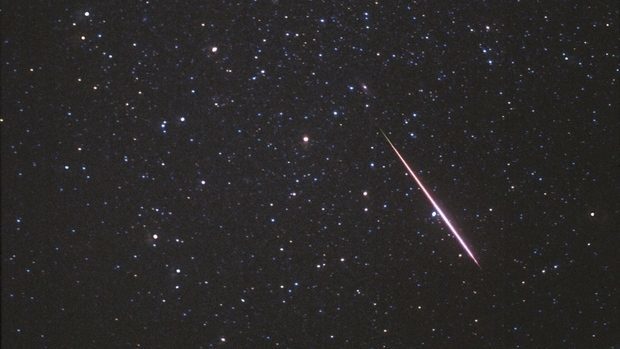
"I think if it wasn't the military, it may well have been a meteor, which may have been natural or a piece of space junk returning to Earth," said Michael Covington, an artificial intelligence expert who's been involved in astronomy for 50 years.
Because the boom was deafening across a wide area, a ground-based explosion could be ruled out as the cause, according to Covington.
"It seemed to be loud at a bunch of different places from the Athens Country Club to the Epps Bride Parkway area" in a north-to-south direction, he said.
Covington heard rattling in his Athens home at 1:26 p.m. Saturday.