Science & TechnologyS


Magnify

DNA sequences indicate 250 people made up original Native American founding population

teepee
© University of Kansas
A University of Kansas anthropological geneticist is part of an international research team working to shed light upon one of the unanswered questions concerning the peopling of the New World: Namely, what was the size of the original founding population of the Americas?

Despite numerous genetic studies that have helped contribute to knowledge about how ancient groups populated the Americas, scientists have not reached a consensus about how many Native Americans made up the original population. This analysis of DNA sequences suggests the Native American founding population that migrated from Siberia consisted of approximately 250 people.

The study "How strong was the bottleneck associated to the peopling of the Americas? New insights from multilocus sequence data," published in the journal Genetics and Molecular Biology, includes Michael Crawford, KU professor of anthropology, and the researchers' results corroborate findings of previous studies that were based on smaller datasets.
"Going from a few hundred founders to around 40 million inhabitants of the Americas, who eventually live under different environmental conditions to which they adapt, is pretty exciting stuff," said Crawford, also head of KU's Laboratory of Biological Anthropology. "It's about understanding how evolution operates in terms of genetic diversity."
The researchers examined nine noncoding regions of the DNA samples collected from populations that trace the path of the migration. This included samples of individuals from China, 10 Siberian groups and from 10 Native American populations scattered across Central and South America representing several different tribal affiliations.

Brain

Scientists believe vasopressin may be possible biomarker for the social deficits in autism

Rhesus macaques
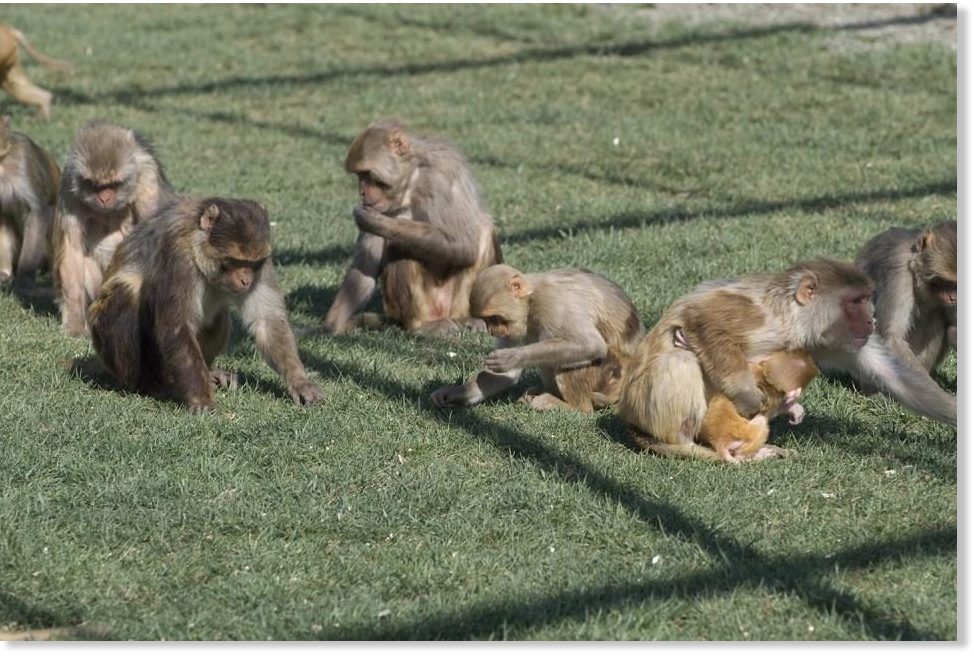
© K. West/CNPRCRhesus macaques live in large family groups, but a few animals consistently show less social interaction than others. New research at the California National Primate Research Center at UC Davis and Stanford University shows that these “low social” animals have low levels of the hormone vasopressin in cerebrospinal fluid. A similar result was seen in a small group of children with autism.
One of the characteristics of children with autism spectrum disorder is reduced social ability. It's difficult to study the possible causes of social impairment in children, but a new study shows that rhesus macaques with low sociability also had low levels of the peptide vasopressin in cerebrospinal fluid, as did children with autism spectrum disorder.

The study, by researchers at the California National Primate Research Center at the University of California, Davis, and Stanford University, is published May 2 in the journal Science Translational Medicine.

"At this point, we consider vasopressin concentrations to be a biomarker for low sociability," said John Capitanio, professor of psychology at UC Davis and a research scientist at the CNPRC.

Comment: Vasopressin is the name for a natural endogenous peptide, separate from the exogenous peptide or medication.


Moon

Last year's solar eclipse set off a wave in the upper atmosphere that was detected as far away as Brazil

eclipse
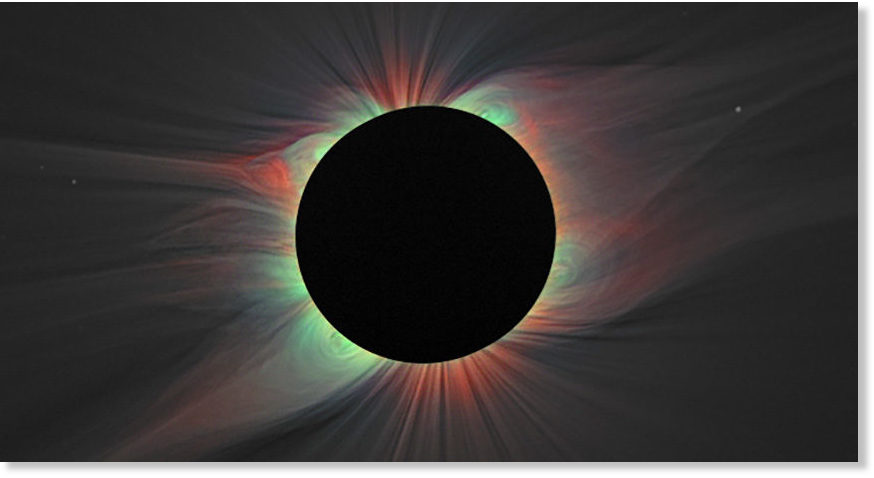
It was the eclipse felt 'round the world. The August 21, 2017, total solar eclipse that crossed the United States launched a wave in the upper atmosphere that was detected nearly an hour later from Brazil (SN Online: 8/11/17).

"The eclipse itself is a local phenomenon, but our study shows that it had effects around the world," says space scientist Brian Harding of the University of Illinois at Urbana-Champaign.

Harding watched the eclipse from St. Louis. But he and his colleagues activated a probe near São João do Cariri, Brazil, to observe uncharged particles 250 kilometers high in a part of the atmosphere called the thermosphere.

The probe recorded a fast-moving wave in the thermosphere go by half an hour after sunset in São João do Cariri and 55 minutes after the end of the total eclipse, the team reported April 24 in Geophysical Research Letters. The wave is produced by the motion of the moon's shadow, which cooled the atmosphere below it. That cold spot then acted like a sink, sucking in the warmer air ahead of it and causing a ripple in the atmosphere as the cold spot moved across the globe.

Comment: Et voila! Non-local effects of cosmic bodies on planetary and human behavior. Turns out the ancients were onto something.


X

Scientists want to build human cells that are impervious to viruses

E. coli
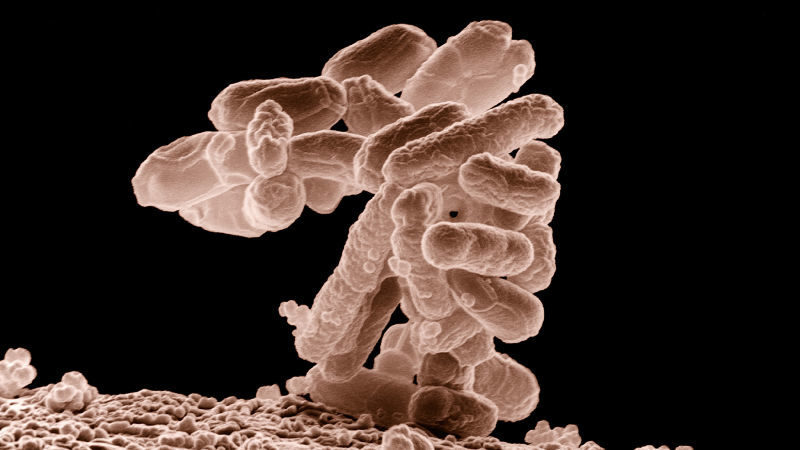
© Agricultural Research ServiceE. coli seen through an electron microscope. In 2013, scientists recoded the genome of this bacteria-and now they want to do the same to human cells to prevent infections. Image:
Two years ago, a consortium of scientists, lawyers, and entrepreneurs announced a plan to synthesize an artificial human genome from scratch-an extremely ambitious endeavor that's struggled to secure funding. Project organizers have now disclosed details of a scaled-down version of the venture, but with a goal that's still quite audacious: creating human cells that are invulnerable to infections.

It's called Project Recode, and it's a downsized version of Human Genome Project-Write, or GP-Write. Originally, the leaders of the project, including Harvard geneticist George Church, biotechnology lawyer Nancy Kelley, and NYU Langone Medical Center geneticist Jef Boeke, wanted to synthesize an entire human genome from scratch-a formidable project that would have required an exhaustive and exhausting re-think of the 3 billion DNA base pairs that currently describe the human genome.

But as Nature News reports, GP-Write hasn't been able to secure the $100 million required for the project, prompting the downgrade to Project Recode. Now, instead of re-writing the entire human genome, the geneticists want to make human cells immune to viral infections.

Comment: This consortium think parts of our genome are 'superfluous', similar to those who thought much of our DNA was 'junk', and who have now been proven wrong. Attempting to edit or re-write the genome, to essentially play god, before we even understand it, seems to be quite a perilous endeavor indeed.

Especially when we consider that recent discoveries have shown the symbiotic relationship between human biology and viruses could actually be a significant contributor to life itself, see: Part human, part virus: The body's intimate relationship with viral DNA
scientists have identified numerous cases of viral hitchhikers bestowing crucial benefits to their human hosts -- from protection against disease to shaping important aspects of human evolution, such as the ability to digest starch.


Moon

Not your imagination: New research shows the full moon does affect sleep

full moon
© Voraorn Ratanakorn/Shutterstock.com

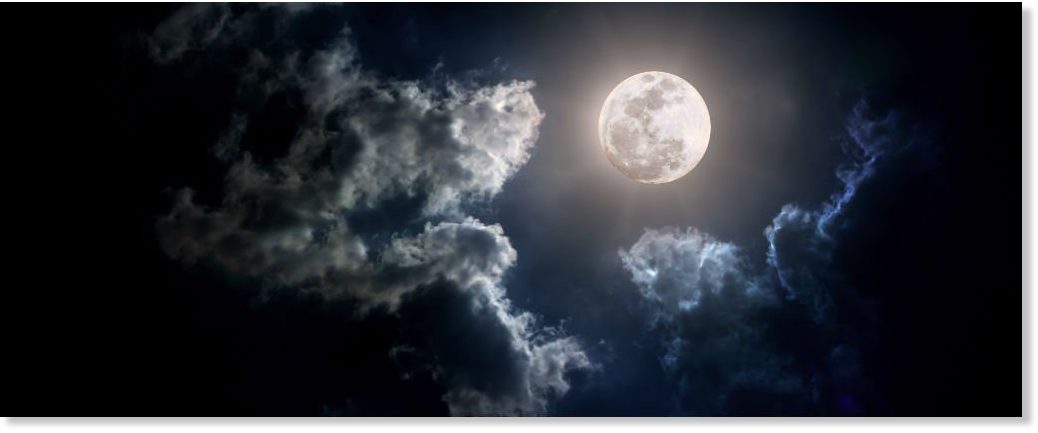
Over the years, the full Moon has been blamed for everything from spikes in crime, to causing madness, to baby booms. But could it also be the reason some of you have found it hard to nod off this week? Full Moons are mentioned in people's diaries. Everyone is writing about super Moons and blue Moons these days. It may be just a self-fulfilling prophecy. For once, it may not be those caffeinated drinks or hours of screen time that have kept you awake.


Scientists from Basel University in Switzerland found evidence of a "lunar influence" when they carried out a study on volunteers sleeping in laboratory conditions.

Their results showed that during a full Moon their 33 volunteers (who were unaware of the purpose of the study and unable to see the Moon from their beds):
  • Took five minutes longer to drop off
  • Slept for 20 minutes less
  • Spent 30% less time in deep sleep
But, intriguingly, the researchers suggested it was not down to the extra light from the Moon, as they were shut in a darkened room.

Comment: More on the affects of the moon:


Blue Planet

Subterranean networks: Plants use underground communication to exchange warnings of attack

Chemical signals exchanged via soil can help prepare corn seedlings for attack by animals or rivals entering their territory

plant communication networks
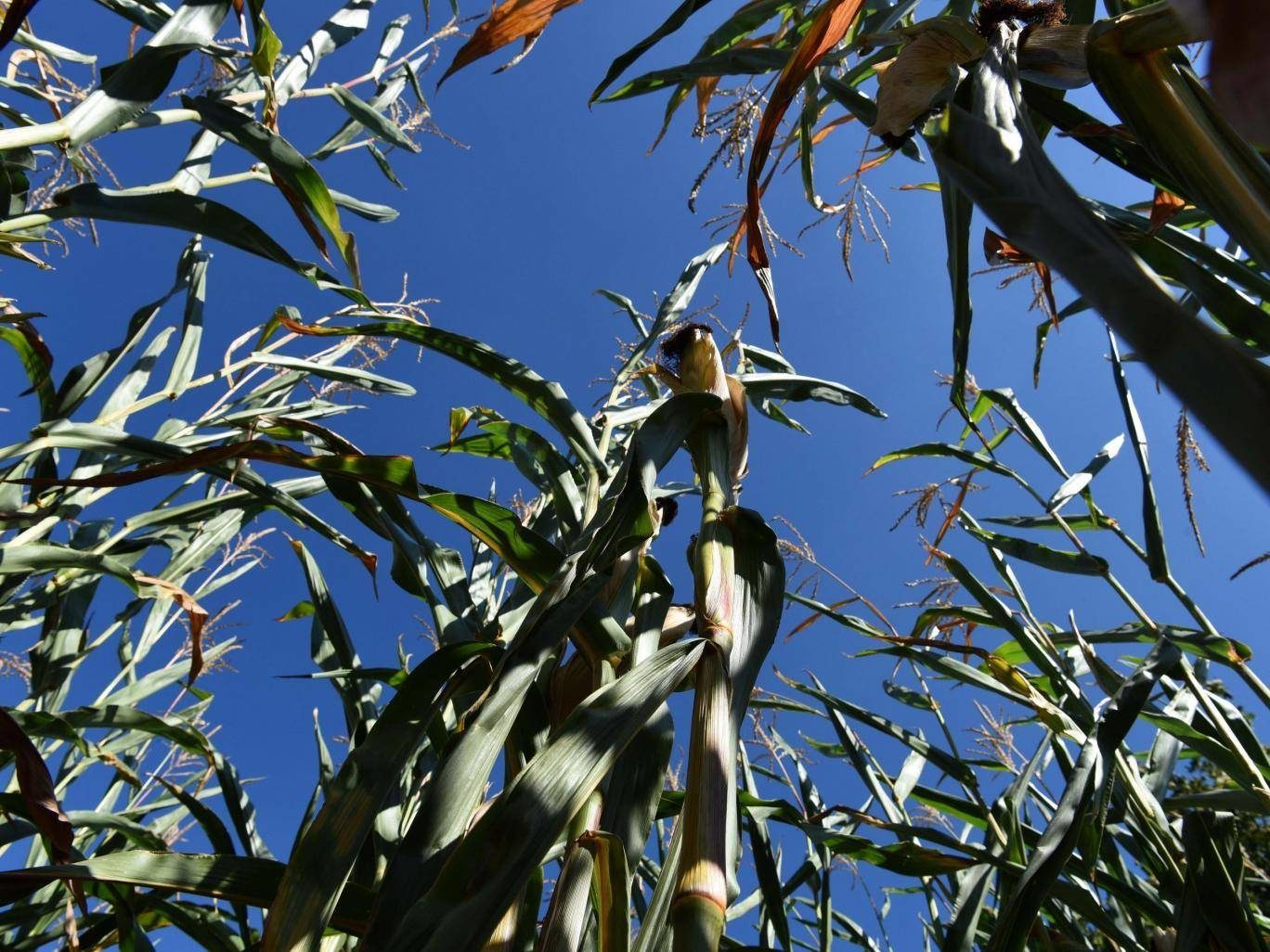
© AFP / GettyA new experiment has shown that corn plants have far more going on beneath the surface of the soil than initially meets the eye.
Plants use an underground communication network to exchange chemical warnings, according to a new study.

Work by a team of biologists at the Swedish University of Agricultural Sciences has provided new insights into the complex subterranean life of seemingly immobile corn plants.

The work adds to a body of research exploring the chemical pathways that plants use to "talk" to each other.

"Our study demonstrated that changes induced by above ground mechanical contact between plants can affect below ground interactions, acting as cues in prediction of the future competitors," said Dr Velemir Ninkovic, lead author of the study.

Plants are known to communicate via touch. Trees, for example, tend to stop growing outwards when they make contact with their neighbours' branches.

Comment: See also:


Brain

Researchers find white-matter abnormalities in impulsive male offenders - link to psychopathy

brain white matter psychopathy
© Radboud University
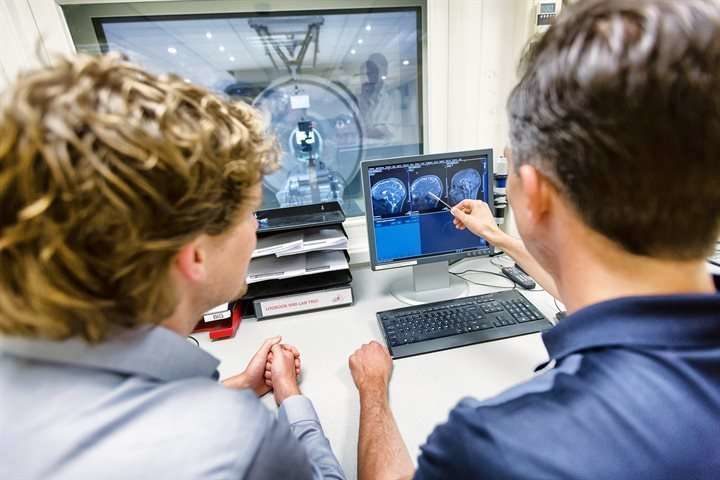
Impulsive offenders with psychopathic traits have abnormal brain connections. The integrity of their so called 'white-matter' tracts between brain areas is decreased. Researchers from Radboud University and the Dutch Institute for Forensic Psychiatry and Psychology publish these findings in Neuropsychology.

Psychopathy is characterized by a lack of empathy and remorse, shallow affect, and manipulative, impulsive and antisocial behaviour. Many criminals show psychopathic traits, but the severity and expression vary strongly from person to person.

Comment: Further reading


Ice Cube

Marine experts hatching scheme to tow icebergs from Antarctica to Cape Town in efforts to aid South Africa's drought crisis

icebergs towed Antarctica to South Africa
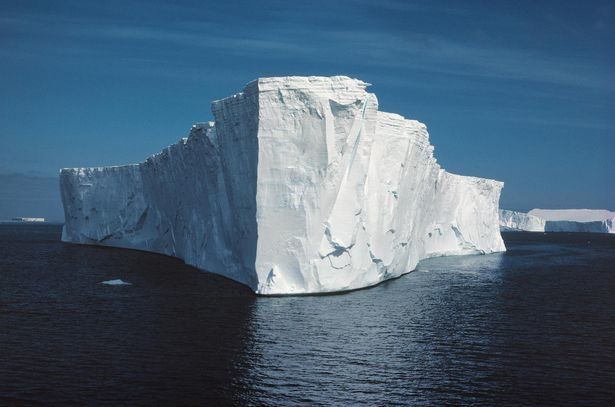
© ReutersHuge icebergs could be towed from Antarctica to Cape Town to solve South Africa's worst drought in a century.
Huge icebergs could be towed from Antarctica to Cape Town in a bid to solve South Africa's worst drought in a century.

Marine salvage experts are floating the plan to tug the icebergs to the region after its seen the worst water shortage in decades.

Salvage master Nick Sloane told Reuters news agency he was looking for government and private investors for a scheme to guide huge chunks of ice across the ocean, chop them into a slurry and melt them down into millions of litres of drinking water.

"We want to show that if there is no other source to solve the water crisis, we have another idea no one else has thought of yet," said Sloane, who led the refloating of the capsized Italian passenger liner Costa Concordia in 2014.

Comment: Well, perhaps the icebergs won't be needed after all: Flooding hits Cape Town, South Africa after long drought


Monkey Wrench

U.S. agencies clash over who should regulate genetically engineered livestock

piglet
© USDA/SCOTT BAUERA virus that causes illness in pigs could be a target of genetic modification.
A disease that kills millions of pigs a year may soon meet its match - if two federal agencies can agree on the idea.

Porcine reproductive and respiratory syndrome virus is one of the latest examples of a condition that scientists believe they can beat with genetic engineering, and one that's caught up in a disagreement between the U.S. Department of Agriculture (USDA) and the U.S. Food and Drug Administration (FDA) over how quickly such methods should be approved, and by whom.

Info

Dwarf V392 Persei undergoes a rare nova outburst

In a rare move, a sleepy cataclysmic variable blows its top and suddenly becomes a nova.

V392 Nova
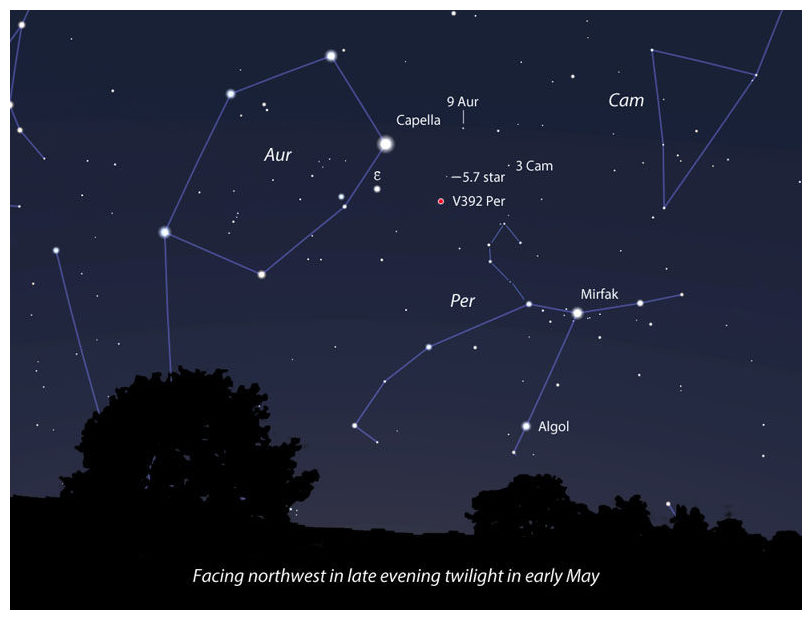
© StellariumAlthough low in the sky at nightfall, there's still time to observe the nova outburst. V392 Per is located near the junction of Auriga, Perseus, and Camelopardalis about 5° west of bright Capella. A more detailed AAVSO chart is below.
The dwarf nova V392 Persei, which only gets as bright as magnitude 14 during outburst, appears to have undergone a rare nova outburst. The sudden and steep brightening was discovered photographically on April 29th by Yuji Nakamura of Japan, who recorded the star at magnitude 6.2. Spectra obtained shortly thereafter with the 2.4-meter Hiltner telescope on Kitt Peak confirm the explosion as a nova.

Had the Moon not brightened the sky, the outburst would have been visible with the naked eye from a dark site.