

© Baona/iStockphotoNew research challenges the idea that young children blindly copy everything adults do to complete a task, including irrelevant actions. It all depends on whether kids see one or, more realistically, several adults perform the same task.
There's an official scientific name for mega-mimicry of this sort: overimitation. Maybe copying everything helps youngsters learn rituals and other cultural quirks. Maybe kids imitate to excess so that an adult who appears to possess special knowledge will like them.
Or maybe overimitation is overrated. In realistic learning situations - where children can gauge whether a majority of adults are patting a box or otherwise going off course before getting down to business - copycat fever cools off dramatically.
That's the conclusion of a team led by psychologist Cara Evans of the Max Planck Institute for the Science of Human History in Jena, Germany. "The term 'overimitation' misleadingly suggests that children mindlessly and inefficiently copy irrelevant actions," Evans says. "Instead, children imitate adults in highly flexible, selective and adaptive ways."













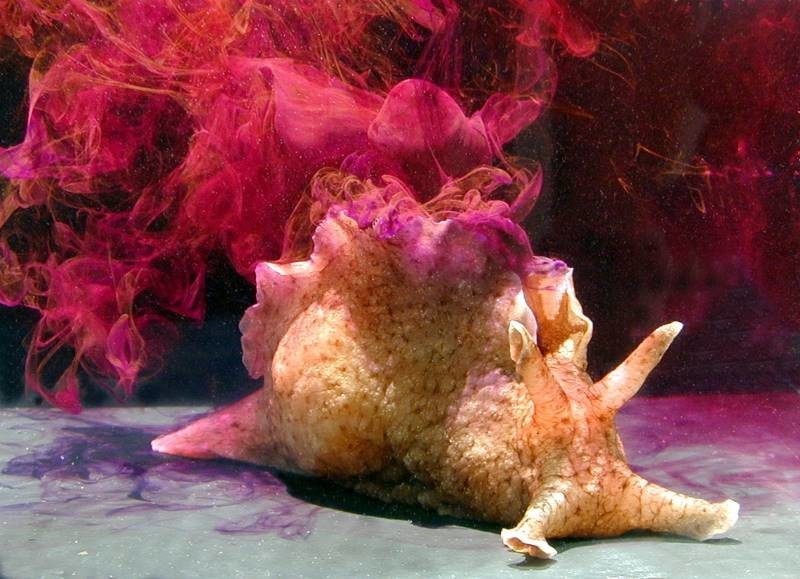



Comment: There is no evidence for "memory traces" in the brain or elsewhere. The idea itself is logically absurd. (See Stephen Braude on Skeptiko, for instance, and his paper on the subject here.) But this is a fascinating finding, and suggests that RNA may perhaps also serve as a mediator for memory.