
© Daily Galaxy
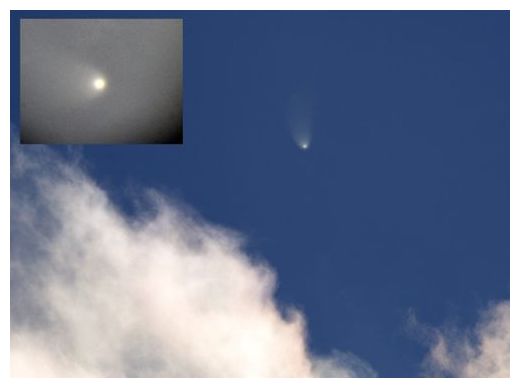
A house-sized asteroid zipped apst Earth yesteday closer than the moon. Stephen Hawking believes that one of the major factors in the possible scarcity of intelligent life in our galaxy is the high probability of an asteroid or comet colliding with inhabited planets. Through Earth's history such collisions occur, on the average every one million years. If this figure is correct, it would mean that intelligent life on Earth has developed only because of the lucky chance that there have been no major collisions in the last 70 million years. Other planets in the galaxy, Hawking believes, on which life has developed, may not have had a long enough collision free period to evolve intelligent beings.
We have observed, Hawking points out in Life in the Universe, the collision of a comet, Schumacher-Levi, with Jupiter, which produced a series of enormous fireballs, plumes many thousands of kilometers high, hot "bubbles" of gas in the atmosphere, and large dark "scars" on the atmosphere which had lifetimes on the order of weeks.
It is thought the collision of a rather smaller body with the Earth, about 70 million years ago, was responsible for the extinction of the dinosaurs. A few small early mammals survived, but anything as large as a human, would have almost certainly been wiped out.
"The threat of the Earth being hit by an asteroid is increasingly being accepted as the single greatest natural disaster hazard faced by humanity," according to Nick Bailey of the University of Southampton's School of Engineering Sciences team, who has developed a threat identifying program.


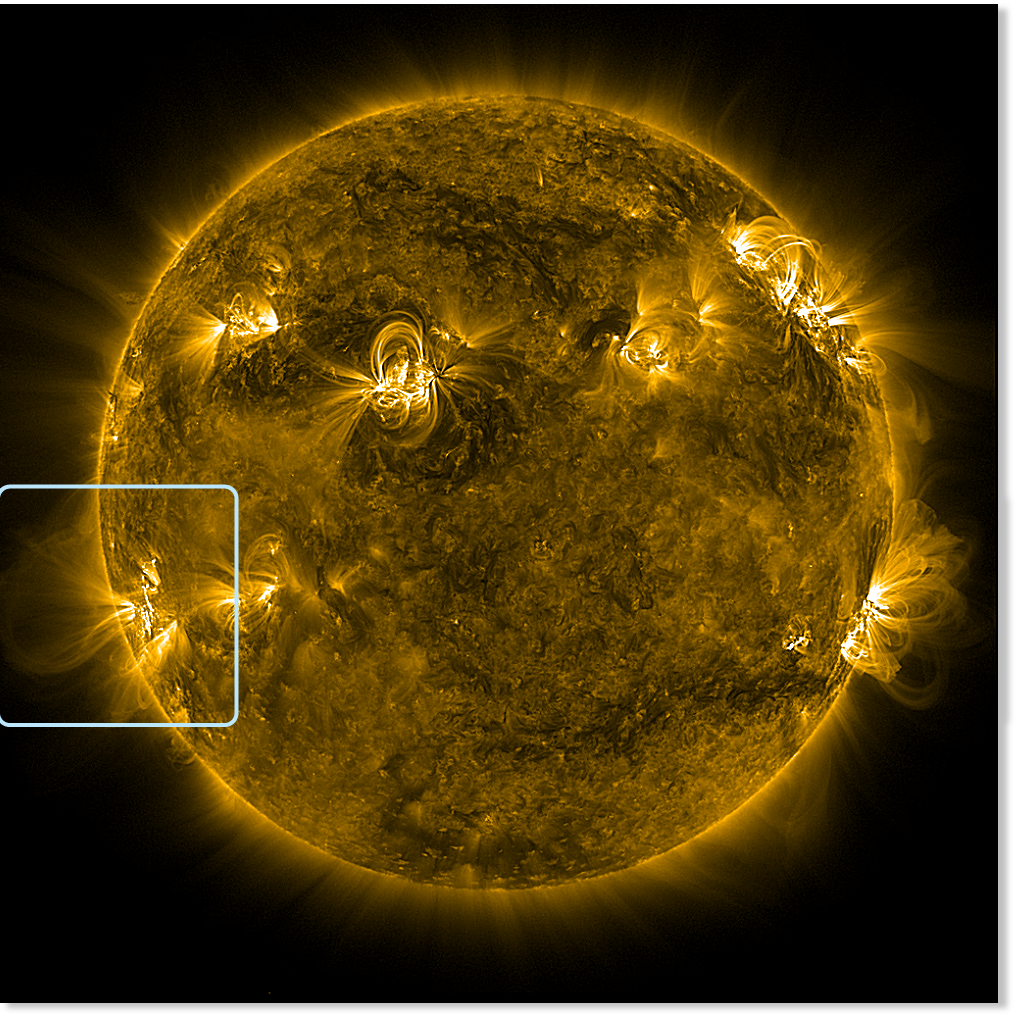





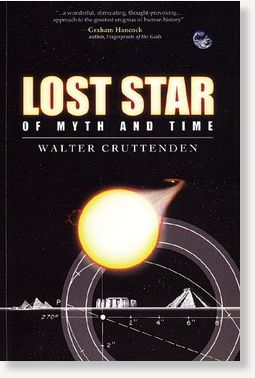




Comment: As prevalent in Astronomy circles nowadays, George Mason University scientists stumbled upon a somewhat correct concept, but since it is based on an erroneous premise, missed the mark, and reached the wrong conclusions.
From Planetary Alignments and the Solar Capacitor - Things are heatin' up! by Ryan X: