

© Credit: Flickr Creative Commons
A rapt crowd followed a trail of bubbles that zipped over the surface of a seaside pond in the ruins of a 19th century bath in San Francisco.
San Francisco's newest star - the first river otter seen in the city in decades - surfaced its whiskery head furtively, a mouth full of sea grass. The crowd oohed as large waves pounded rocks just offshore, a briny smell and chill in the air.
The otter ducked back under water and took the sea grass underneath a concrete remnant of the historic baths, where the animal was building a nest.
"We came here to see the baths and this was just a bonus," said Eliza Durkin, who brought her son Jonathan to the site for a school project on historic places.
Beyond tourists, the otter has mystified and delighted conservationists, who are piecing together clues to figure out how he got there. The whiskery creature was first spotted by birdwatchers in September and has since settled into the City by the Bay.
River otters once thrived in the San Francisco Bay area, but development, hunting and environmental pollution in the 19th and 20th centuries has taken its toll on the once thriving local population.
The creatures are a living barometer of water quality - if it's bad they cannot thrive. But new populations being seen north and east of San Francisco are giving hope to conservationists that years of environmental regulations and new technologies are making a difference.


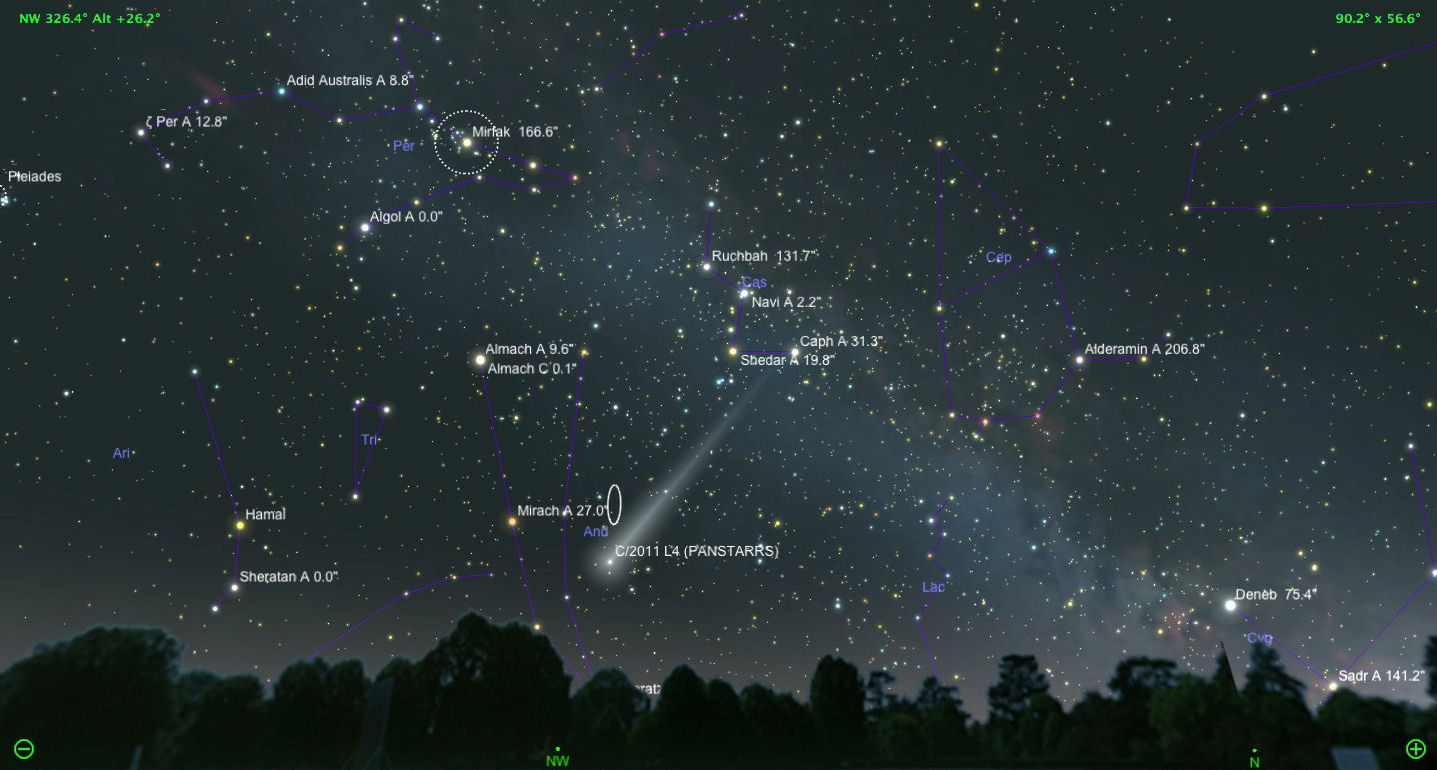








Comment: 'Once-in-a-lifetime comets'? What an anachronism! A quick search through our database clearly tells you that the inner solar system has been liberally sprinkled with comets in recent years!... And at the rate more and more are being discovered and being predicted to be "visible in daylight", like Comet ISON this November, it looks like there are plenty more comets to come...