
© ericpetersautos.com
© ericpetersautos.com
These "technologies" are not like seat belts or air bags that are purely impact-force mitigation systems that are designed to reduce the severity of injury (as well as the chance you'll be killed) in the event of a crash. You can argue with some force that it is none of the government's legitimate business to effectively compel people to purchase air bags or seat belts - for basically the same reason that it's none of the government's legitimate business whether we eat our veggies. I think that because this argument wasn't made - not effectively, at any rate - we now have "driver assistance technology" in our cars. Because the underlying idea that it is the government's legitimate business to "keep us safe" (not from government's depredations, of course) underlies all of this stuff.
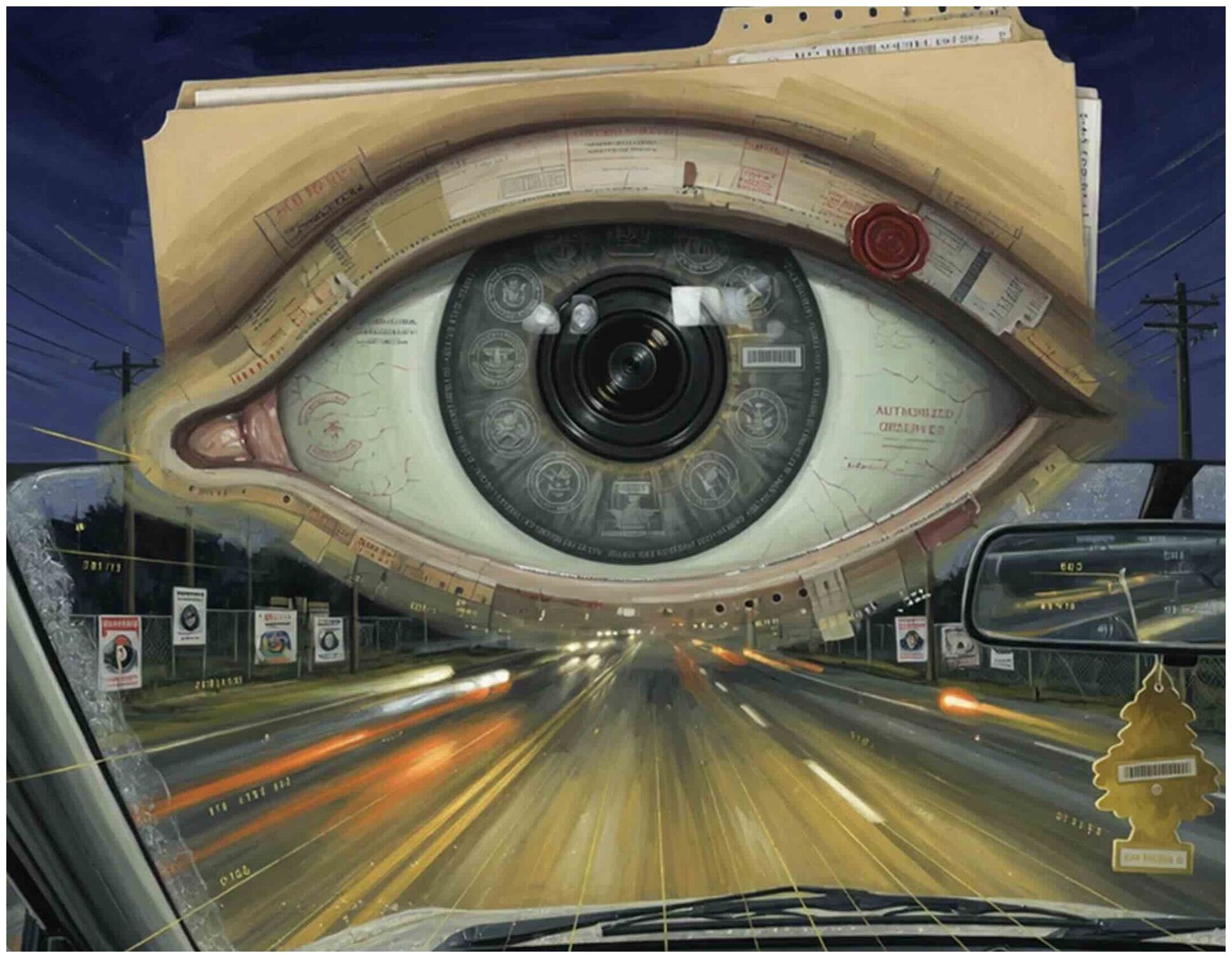
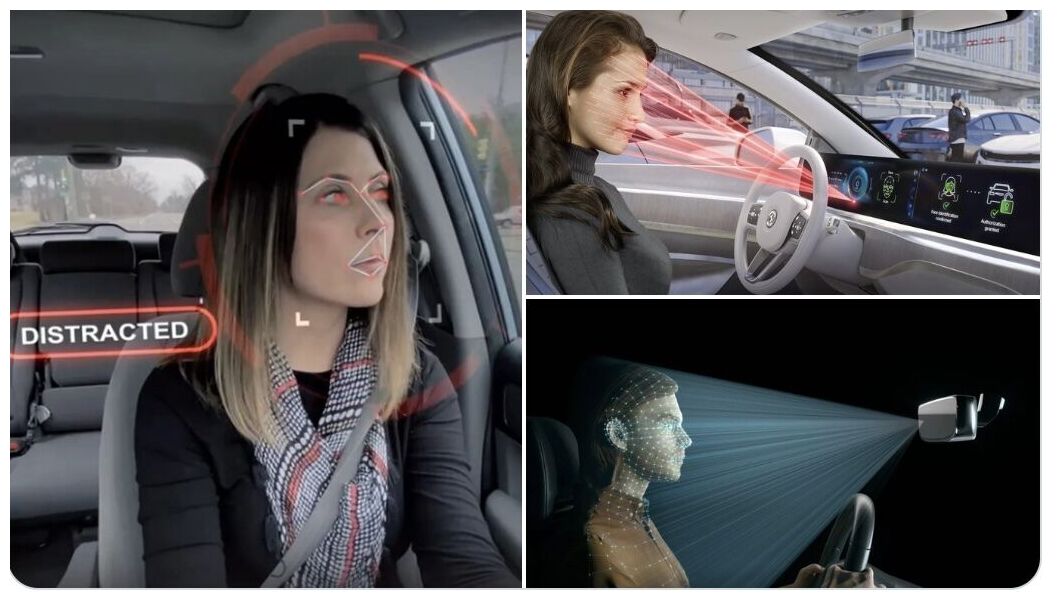
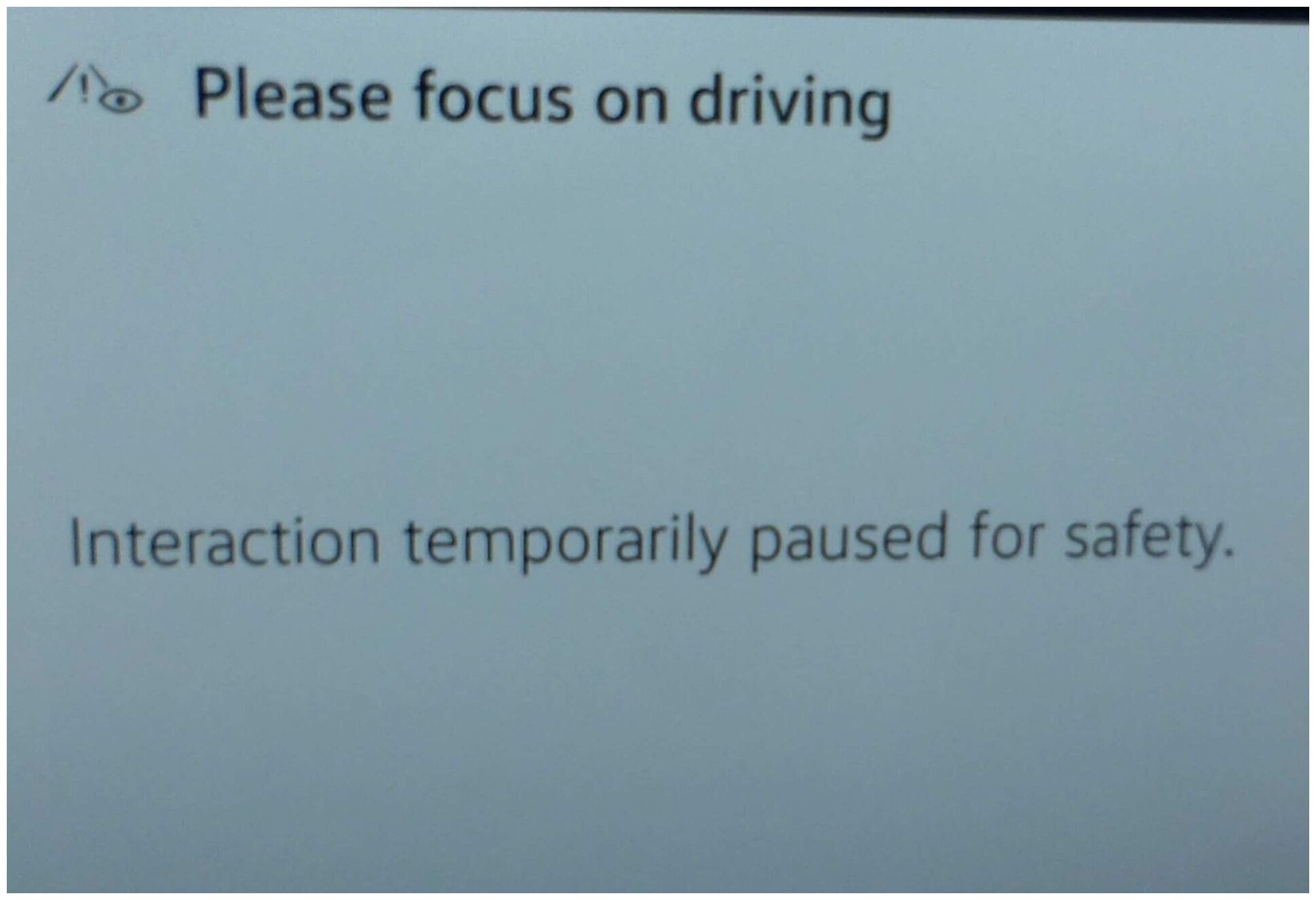
If you are not competent to decide whether to wear a seatbelt - and especially if you decide not to wear one - then obviously you are someone who is in need of the kind of "assistance" government provides, which is always as compulsory as it is cloying. That is why in just a few months from now - as the 2027 model year begins - every new vehicle will be required to have an additional layer of "assistance technology," in the form of what's styled "distracted/drowsy driver" monitoring systems. The requirement was passed into law about five years ago and now - like a septic tank that's gone overfull - the shit is percolating upward.
© ericpetersautos.com
© ericpetersautos.com
All of this goes back decades - in terms of the gradual, piece-by-piece pushing of "technology" on people by making it impossible to avoid it, except by avoiding new vehicles. Do you remember when the earliest forms of "assistance" began appearing way back in the '80s? First there was anti-lock brakes; they went from being available in some vehicles to de facto standard in all vehicles. This probably seemed ok to most people but when you think about it, the underlying assumption is that the possibility of a skid resulting from brake lock arising from a driver not being skilled/experienced enough to
© ericpetersautos.com
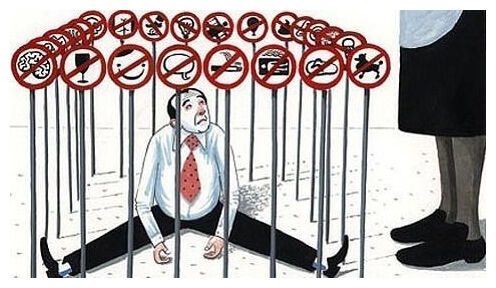
Then came traction/stability control "technology." Both predicated on the same assumptions and accepted as such by most people. Having accepted the principle - far more important that the particular - it became inevitable we'd end up with "technology" that literally watches us at all times and corrects us at all times. We're now just a few months away from that being not just standard but formally required.
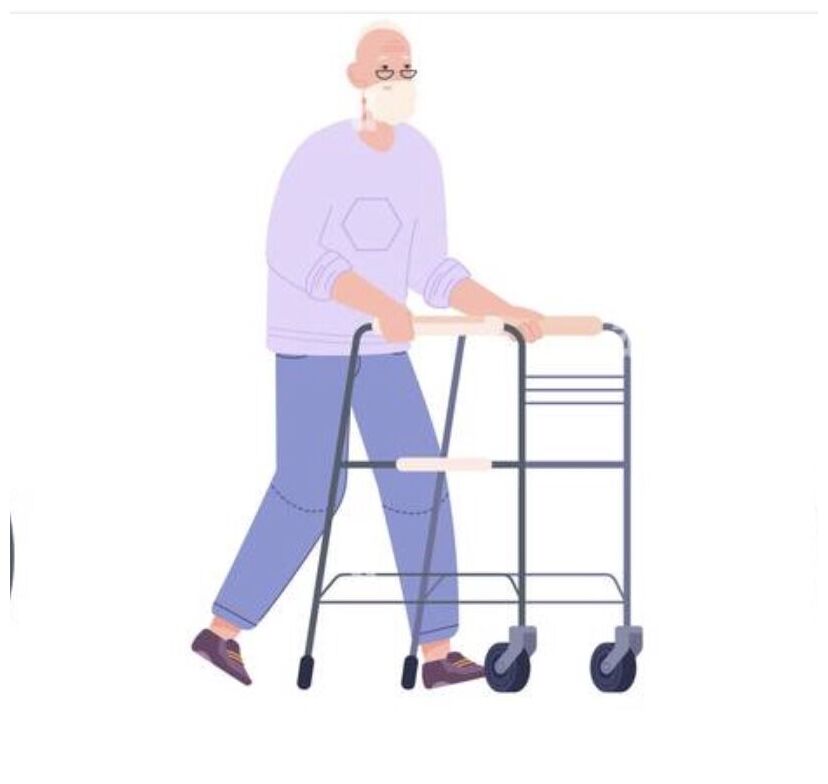
It's actually remarkable that people who can walk unaided aren't also required to buy canes and walkers. After all, there are people who need "assistance" with walking. Just as there are people who need "assistance" with driving. Why not just assume everyone needs "assistance" - in all things?
We'd all be so much safer, then.










should be an option:
- no computers in cars
- pick which ones you want
try and buy any automobile with standard transmission.