
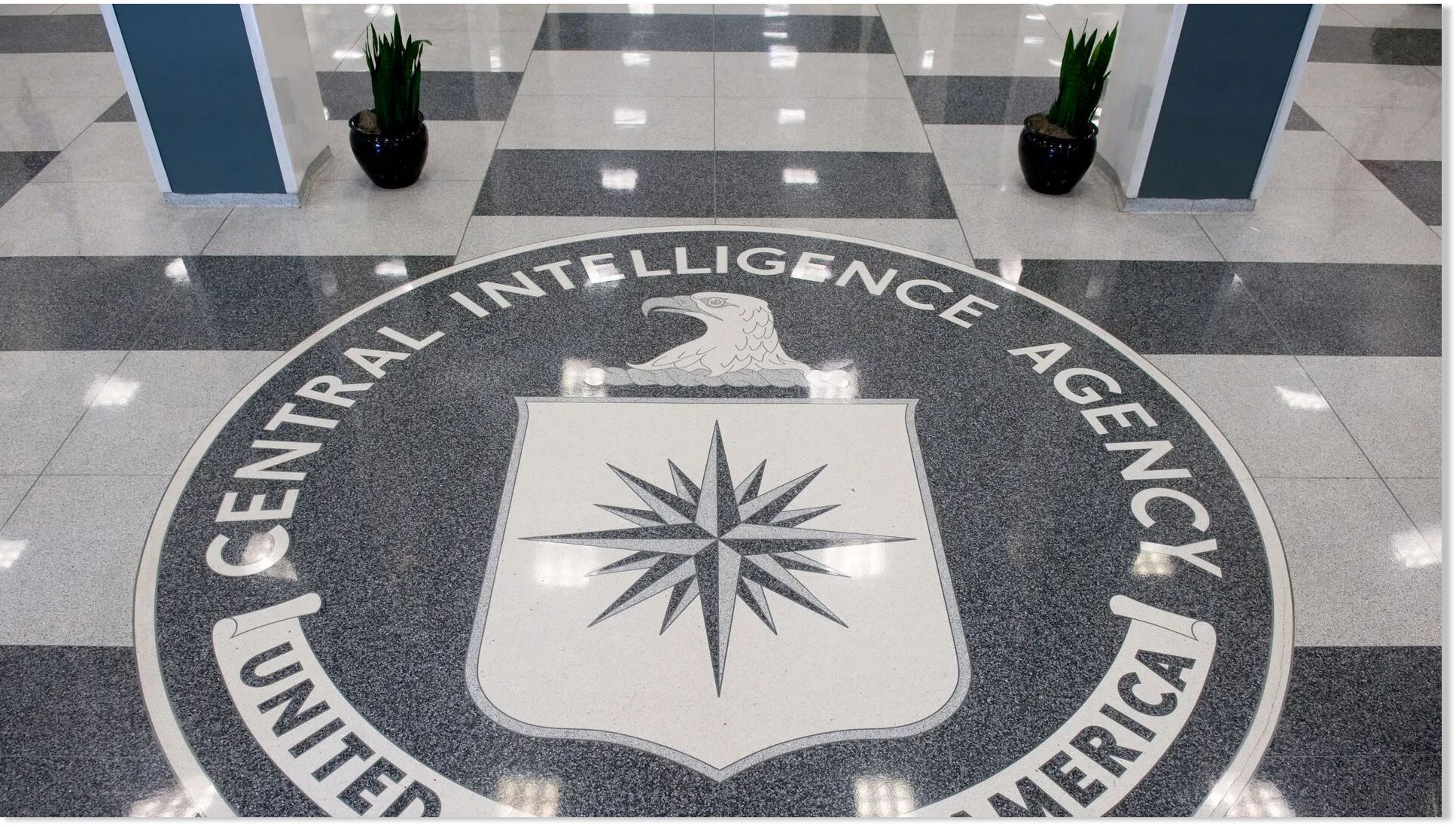
© Saul Loeb/AFP via Getty Images
- "It's a blueprint of a cover-up, how to lie to Congress and the American people," former CIA-State Department historian Thomas L. Pearcy tells Axios.
Driving the news: The 62nd anniversary of JFK's assassination is Saturday, and President Trump has pledged to disclose all records related to the tragedy in accordance with the JFK Records Act of 1992.
- A CIA spokesperson said the agency "is committed to full transparency" and has made extra efforts to produce JFK records during the Trump administration, which was just made aware of the documents Pearcy referenced.
- The report, contained in a manila folder that was accidentally included in the file box he ordered, was essentially a damage assessment by the agency to determine how much its reputation had been harmed by the House Select Committee on Assassinations (HCSA), which investigated the assassination.
- The report included memo from a CIA official who boasted on Aug. 23, 1978, about how he and two others from the agency had misled Robert Blakey, the chief counsel for the HSCA.
- Blakey wanted to see the agency's three-volume series of investigative files from the CIA's Mexico City Station, which Oswald visited before he allegedly killed JFK, officials say.
- Because the books were so "sanitized," Pearcy said, Blakey had no questions after thumbing through each of them for 20 to 30 minutes.
- In a memo, CIA officer Martin Hawkins seemed to denigrate Blakey as "incurious" for not asking questions, Pearcy recalled.
- The CIA inspector general's report, he said, also contained a reference to four Hasselblad cameras and 2,300 photographs taken in Mexico City.
- The CIA has denied having any photographs or film of Oswald in the city when he visited the Cuban and Soviet embassies before the assassination.
- Both panel's reports were seen as whitewashes by historians such as Jefferson Morley, who pens the influential "JFK Facts" website and has advised Rep. Anna Paulina Luna (R-Fla.) as she pushes for more disclosure about JFK's death.
- The JFK Records Act of 1992 helped change historians' understanding about the depth of CIA cover-ups over the assassination. It required full disclosure of more records by 2017, a goal that hasn't been met.
- In addition to meeting the requirements of the JFk records act, the CIA told Axios, the agency "has been working with Rep. Luna and the Task Force on the Declassification of Federal Secrets and will continue to do so on this important matter."
- In July, the CIA tacitly admitted that one of its shadowy agents, George Johannides, monitored Oswald before the assassination, Axios reported.
- Johannides also specifically misled the HSCA, which Blakey later learned due to Morley's reporting and disclosures from the JFK Records Act.
- One of those documents, released in 2004, helps confirm Pearcy's recollection of the memo he saw because its title confirmed Blakely was shown "Sanitized Portions of History of Mexico City Station."
- Pearcy kept his story to himself but later allowed Morley in 2024 to print what he saw while protecting his identity.
- Morley said Pearcy wanted to remain anonymous because President Biden's administration was more zealous about prosecuting people for unauthorized classified documents disclosures. Trump's administration has signaled it's safer for JFK-related whistleblowers.
- Morley and Pearcy said the document in question should be easily findable by the CIA because they have an alpha-numeric record locator from the "sanitized" memo.
- "This document should have been released a long time ago," Morley said.


Reader Comments