
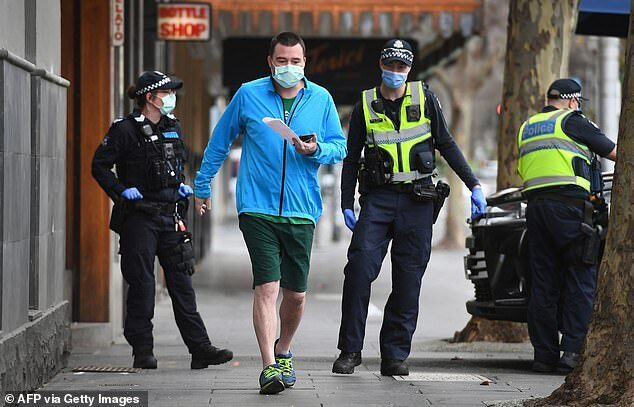
© AFP via GettyMore than 2,755 fines were from individuals and businesses accused of breaking Covid-19 restrictions and the rest either still under investigation or pending payment
The fines involve 2755 individuals and businesses accused of flouting the rules during the coronavirus pandemic. About 56.4 per cent of fines had been paid in full or were subject to a payment plan.
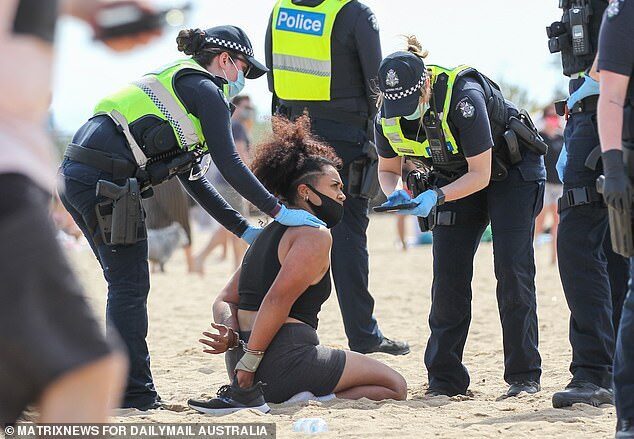
© Matrix News/Daily MailThe State Penalties Enforcement Register is chasing $5.2m in unpaid Covid-19 fines from individuals and businesses who are accused of flouting rule during the pandemic
The figures were accurate as at the end of September.
Queensland Treasury established SPER about two decades ago and, by this month, it had $1.29 billion in debt on its books and was recovering more than $50 million each month.
Outside SPER's work, Queensland Health took the unusual step of calling in private debt collectors to chase up $5.7 million amounting from 2045 significantly overdue invoices for hotel quarantine.
"Queenslanders rightly expect travellers will pay for their hotel quarantine stays and not leave taxpayers to foot the bill," a Queensland Health spokeswoman said.
The spokeswoman would not say how much commission the debt collectors stood to make under the arrangement, claiming it was commercial-in-confidence.
By October 8, 44,350 invoices had been issued for hotel quarantine in Queensland, of which 10.8 per cent were significantly overdue. Those who did not pay up, or successfully applied for a waiver, would also be referred to debt collectors.
The government recently moved to allow for hotel quarantine invoices to be paid upfront, as part of its roadmap to reopening, and expected to also have the Wellcamp and Pinkenba quarantine facilities open within months.



R.C.
*RC addition. They were talking about the incomes that governments make and fines or taxes amount to the same thing. I'd further venture that 'fines' were not nearly so prevalent, - if they existed at all - back then.
RC