
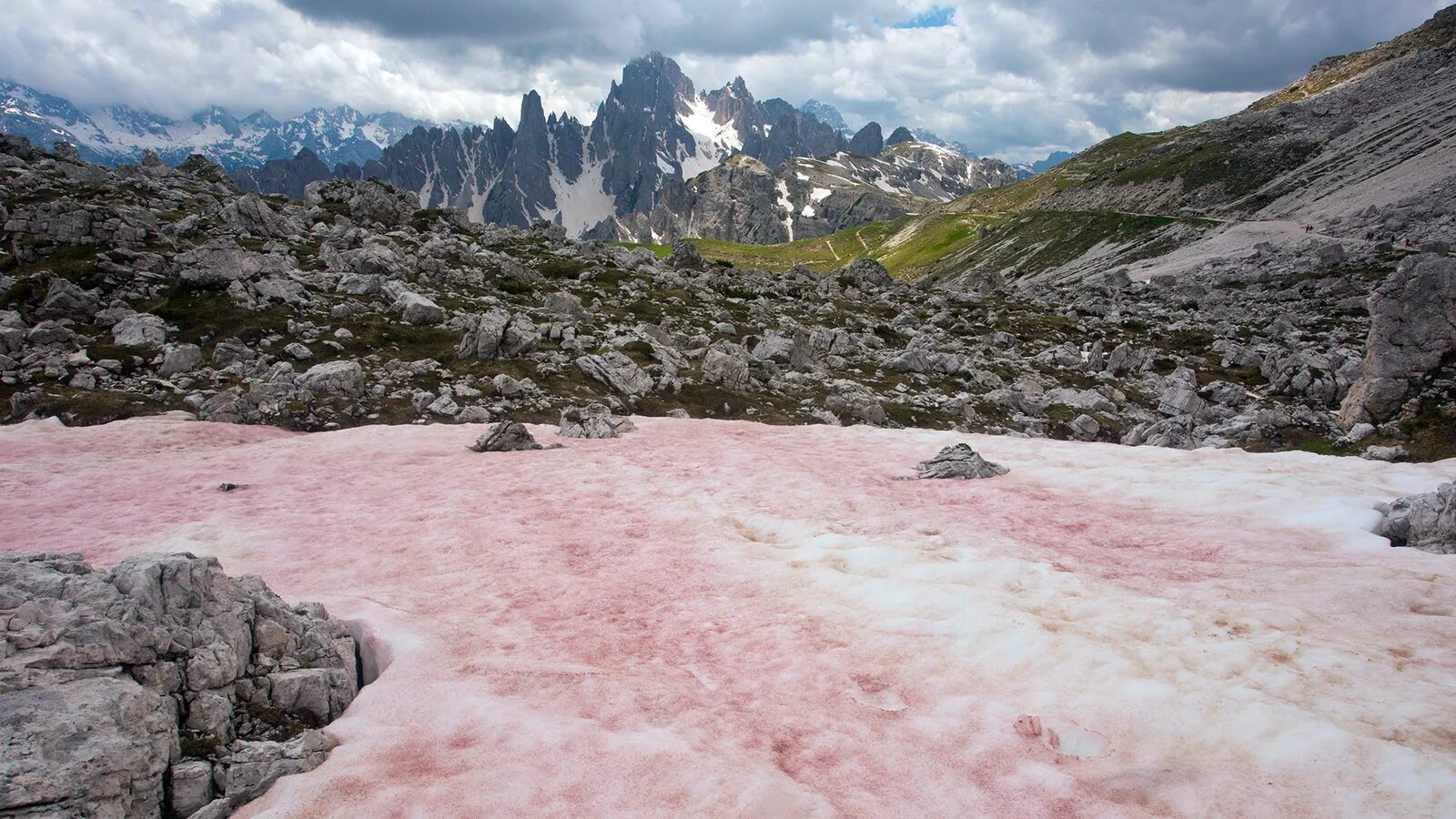
The peculiar phenomenon - sometimes known as blood snow - is the result of a defence mechanism produced by microscopic algae that grow in the Alpine snow. Normally these microalgae have a green colour as they contain chlorophyll, the family of pigments produced by most plants to help them absorb energy from sunlight. However, when the snow algae grow prolifically and are exposed to strong solar radiation, they produce red-coloured pigment molecules known as carotenoids, which act as a sunshield to protect their chlorophyll.
While red snow algae has been known for a long time (it is mentioned in a book published in 1819 as having been discovered during an expedition to the Arctic in 1818) it is still steeped in mysteries that scientists are attempting to unravel.
Just two years ago, botanists at Charles University, Prague, in the Czech Republic, identified an entirely new genus of microalgae that is responsible for causing red and orange snow in different parts of the world, which they named "Sanguina" in reference to the blood-red colour they produce. The researchers found forms of Sanguina algae that cause red snow samples from Europe, North America, South America along with both polar regions. A species of Sanguina that causes an unusual orange snow was also found in Svalbard.
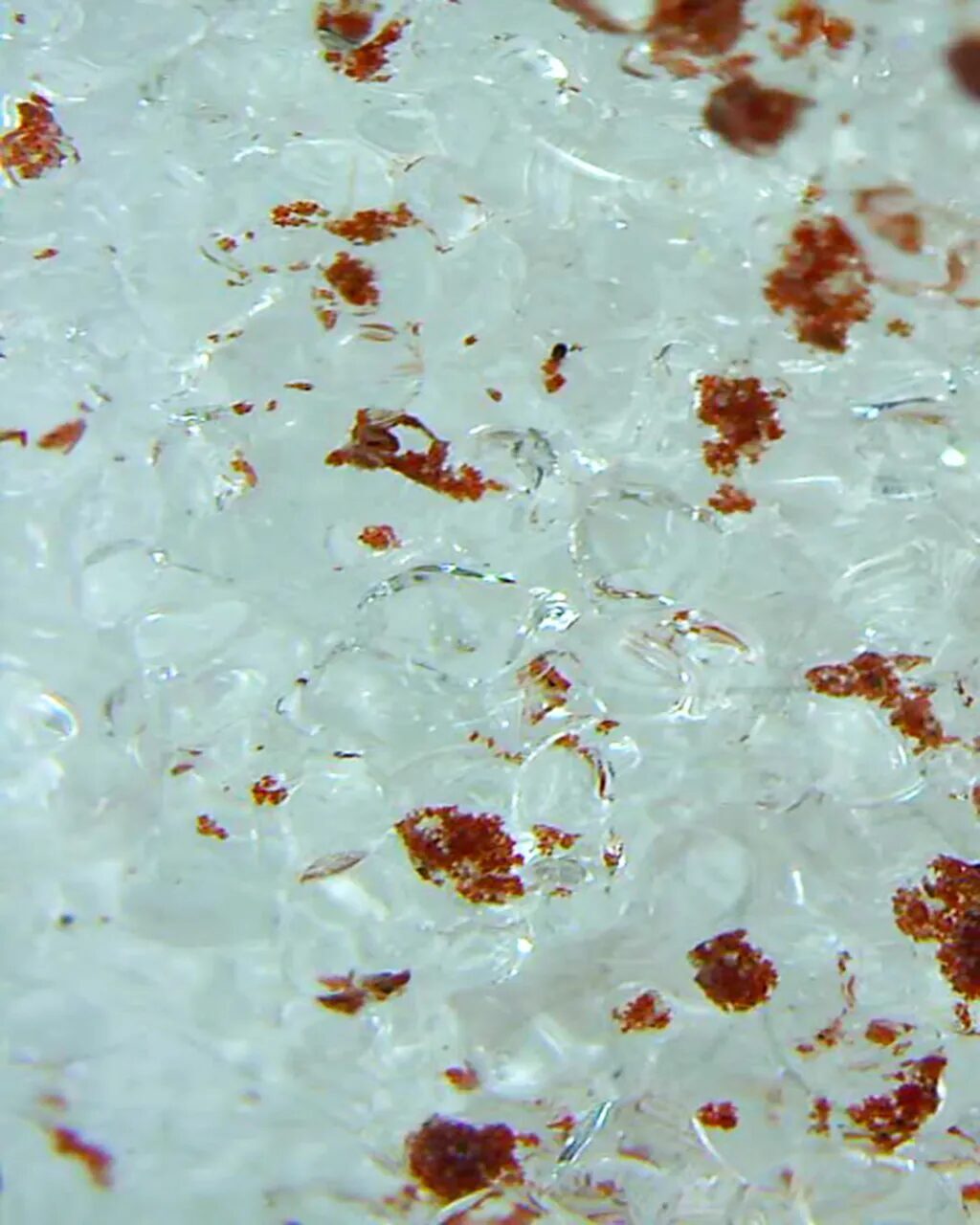
© ALPALGAResearchers discovered a new genus of algae called Sanguina that is responsible for the red snow in the French Alps above 2,400 metres (7,874ft)
Comment: Research shows that this algae in particular may be related to the birds' 'excrement that serves as a great provider of nitrogen and phosphates for the plants': Antarctica's growing algae blooms
But understanding more about red snow algae carries a significance far greater than simply explaining the existence of strange-coloured patches in the Alps and near the poles. Its appearance and disappearance are important markers of climate change and how it is affecting the delicate ecosystems where the algae are found.
According to Liane G Benning, professor of interface geochemistry at the German Research Centre for Geosciences in Potsdam, red snow is becoming more common due to global warming. "The rise in the atmospheric carbon dioxide levels increases the temperature, which leads to more snow melting," she says. "The moment there is liquid water on the snow, the algae start growing."
This increasing abundance of red snow algae may also be contributing to climate change too. The red pigment turns the snow surface dark, reducing the amount of light and heat it reflects back into space - something known as the albedo effect. By trapping more of the Sun's heat, the snow melts even faster, allowing the algae to proliferate further. "There is a runaway effect in which the algae melt their preferred habitat," says Benning. "It's as if they are destroying their own house."
On a wider scale, the extra heat absorbed by the tinted snow can alter the temperature in the wider environment, speeding up the melting of snow packs and glaciers. One study estimated that over a single melt season, red pigmented algal blooms could reduce the snow albedo by 13%, suggesting it plays an important role in how the effects of climate change can be amplified within mountain environments.
Studies have shown red algal blooms occur on glaciers all over the world, from Antarctica to the Himalayas and in the Arctic. So one question that scientists like Benning and Eric Maréchal, director of the Cell and Plant Physiology Laboratory in Grenoble, France, are keen to answer is whether red snow algal blooms are becoming more widespread and occurring more often.
One way of doing this would be to use satellite imagery to study the albedo-reducing effect of the red snow. A study using satellite imagery of snow fields on Fildes Peninsula on King George Island, off the coast of Antarctica, revealed that in January 2017, 26% of the snow was darkened by algae.
Although there is little widespread data to show if red algae are becoming more common globally, both Benning and Maréchal believe they will occur more often as our planet warms, and this will need to be taken into account as scientists try to estimate what the impacts will be.
Comment: Note that the BBC article claims that 'red snow is becoming more common due to global warming', followed by the statement thay there is little data showing whether this is actually true or not.
But even laying aside their role in climate change, scientists are unpicking other mysteries surrounding red snow.
Maréchal and his colleagues recently found that red snow algae appear to only grow at elevations above 2,000m (6,562ft) in the French Alps, and particularly flourish at around 2,400m (7,874ft). According to Maréchal, the Sanguina algae is found at high elevations because of the quantity, quality and longevity of the snowpacks present at these heights.
Comment: At higher elevations it's not only colder but the atmosphere is also thinner and solar radiation is different, so perhaps the type and intensity of radiation is a clue to the appearance of red algae, rather than just the availability of meltwater: Strange Sun effects detected by world's highest weather stations
Puzzlingly, scientists have so far failed to grow these algae on real snow in a laboratory.
"It is for this reason that researchers need to collect as many samples as possible for a more refined study," Maréchal says.

© Robert Harding/AlamyAlgae that grow close to penguin colonies near Antartica produce vivid red pigments
The yellow tinge, they believe, was due to the presence of sand on the snow that interfered with the colour imparted by the algae. While not an unusual phenomenon, this year was exceptional as strong winds carried plenty of Saharan sand to the Alpine heights.
"This has provided us a great opportunity to evaluate the relationship between sand and the growth of snow algae," says Maréchal. "By analysing these particles, we will try to determine if sand provides nutrients, metals or any specific elements that may interfere, positively or negatively, with the algae growth."
The team hopes to increase the ambit of their understanding to see how iron levels in the snow and acidity levels affect the red algae growth. They are also studying whether other microorganisms and animals living alongside the snow algae may play a role.
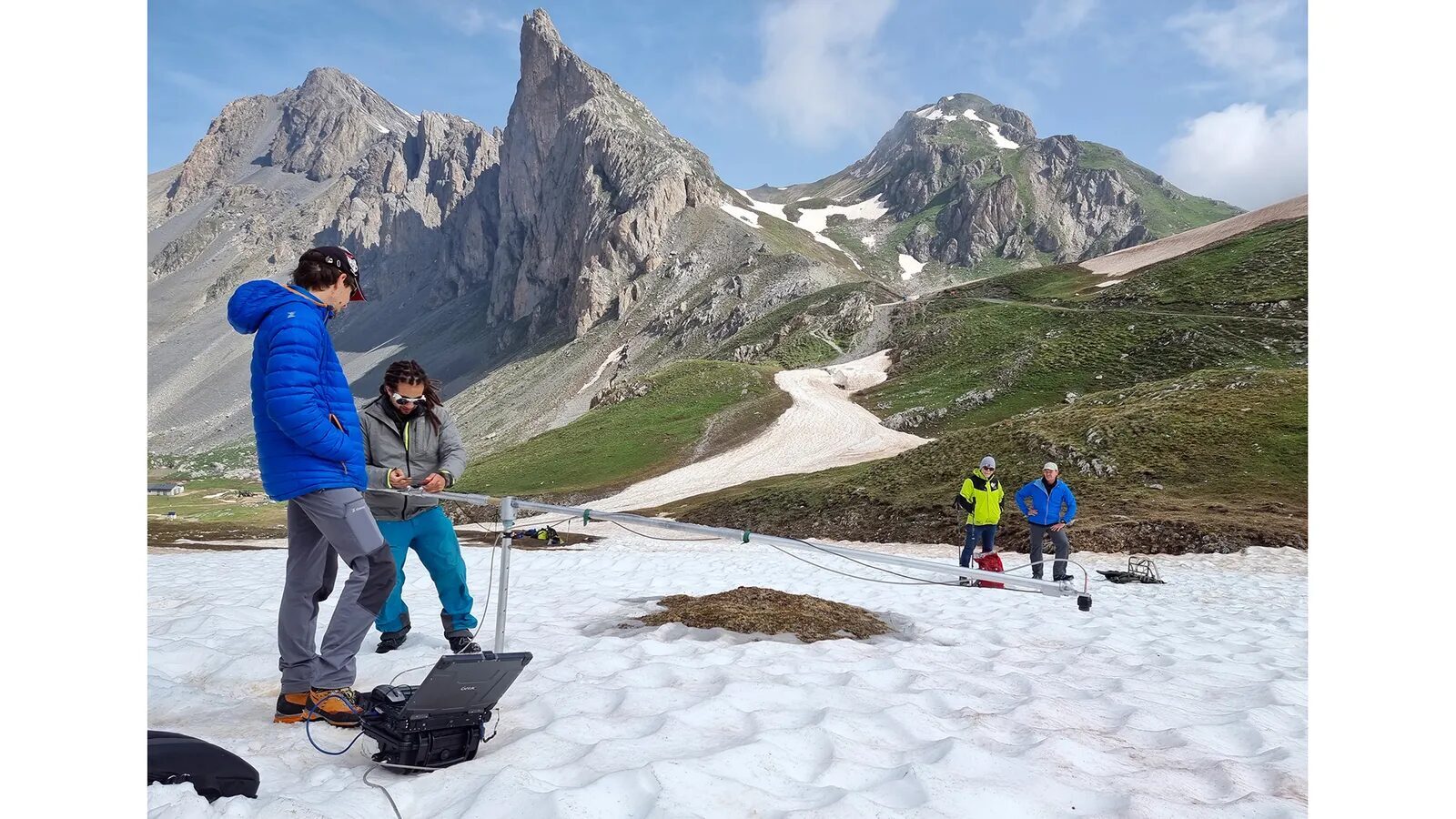
© ALPALGAGlaciologists fear that if the algae spreads it will decrease the albedo of the snow and drive further melting of snowpacks in mountain ranges around the world
Their research is helping to build a picture that although snow might appear to be inert, it is in fact teeming with life.
"As snow falls, quite often it traps minerals and elements like nitrogen and phosphorus, both anthropogenic and naturally occurring," Benning says. The snow algae can then feed on these while bacteria in the snow also form a trophic relationship with the algae.
"In this ecosystem, the snow algae are primary producers," says Benning. "When they bloom, they photosynthesise, consume nutrients while producing waste products such as sugars and other components, which serve as possible food for bacteria and other microorganisms."
In some places the algae can produce a faint pink colour to the snow while in others it can be blood red (Credit: Ashley Cooper Pics/Alamy)
According to Maréchal, the algae, which need just carbon dioxide and light, appear to form the basis of a more complex and mature ecosystem that involves bacteria, fungi and unicellular animal cells such as the zooplankton.
But while these patches of coloured snow flourish with life - they are also short lived, appearing only for a few weeks of the year. When the weather turns cold again, the colour disappears and the snow returns to its usual white colour.
It raises an intriguing question - what actually happens to the red algae over the winter?
"One theory is that they go dormant and become almost transparent as they freeze in," says Benning. "When it's no longer needed, they lose the pigmentation as it is an energy consuming process."
While the red pigment returns each year with the sunshine and heat of the late spring and early summer, Benning and her fellow scientists will be watching the stains in the snow closely for what else they can teach us.



Comment: It's notable that elsewhere on the planet algae blooms in bodies of water also appear to be on the increase:
- Lack of oxygen and algae blooms identified as cause of mass mortality event of starfish
- Mysterious new invasive algae smothering Hawaii's coral reefs
- Neurotoxic algae that is poisonous to marine life and humans advancing along the Pacific coast
See also:- Pink snow spotted in the Apennine mountains, Tuscany
- Unusual algae blooms turn Antarctic snow red and green
- Earth's expanding ocean anoxic zones and the correlation with periods of geologic upheaval
- Mysterious microbes turning the world's ice pink
- Lack of oxygen and algae blooms identified as cause of mass mortality event of starfish
And check out SOTT radio's: