
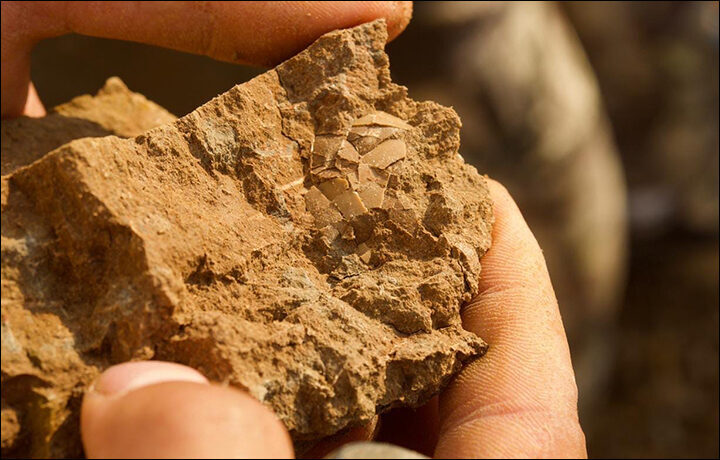
© Kuzbass History Museum125 million year old shell is ‘third dinosaur's egg ever found in Russia’ - or an early bird.
Pieces of the broken shell still shaped as an egg were found on 8 August at Shestakovo-3 paleontological site.
The fossilised shell was in the same layer where six years ago archeologists found a mass burial of Psittacosaurus, otherwise known as Parrot Lizards - extinct ceratopsian dinosaurs with a high skull and a robust beak that lived between 126 and 101 million years ago (Early Cretaceous).
Back then there were four fully preserved skeletons of these dinosaurs found in the burial.
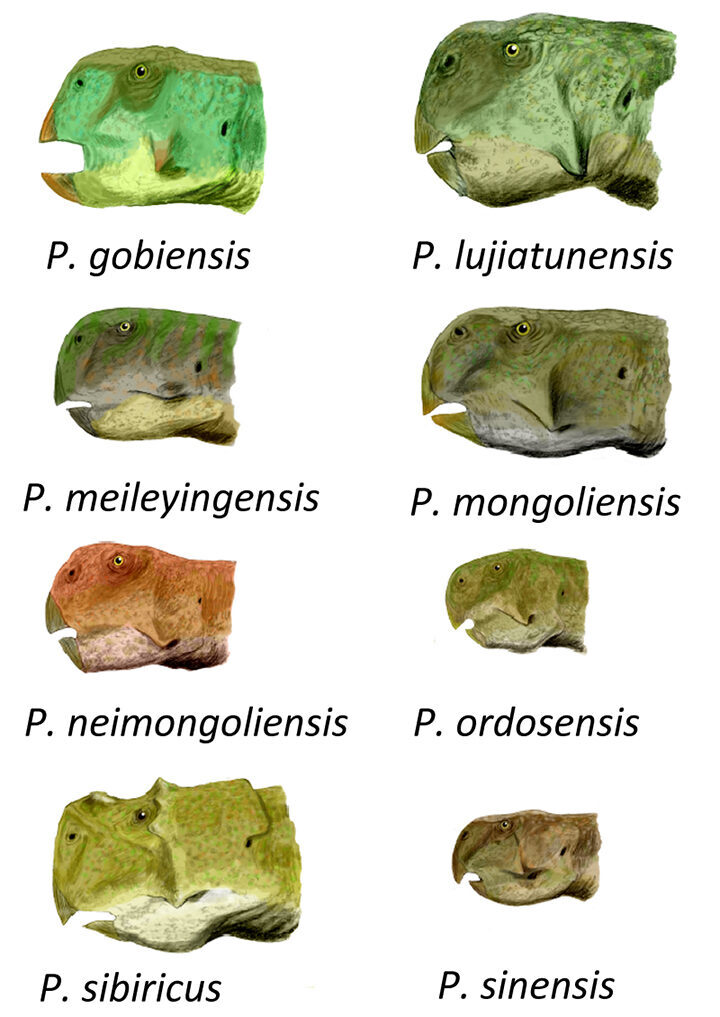
Psittacosaurus Sibiricus is the largest-known species of Psittacosaurus, with the biggest skull (20.7cm) and two striking features like the longest neck frill and four 'horns' around each eye.
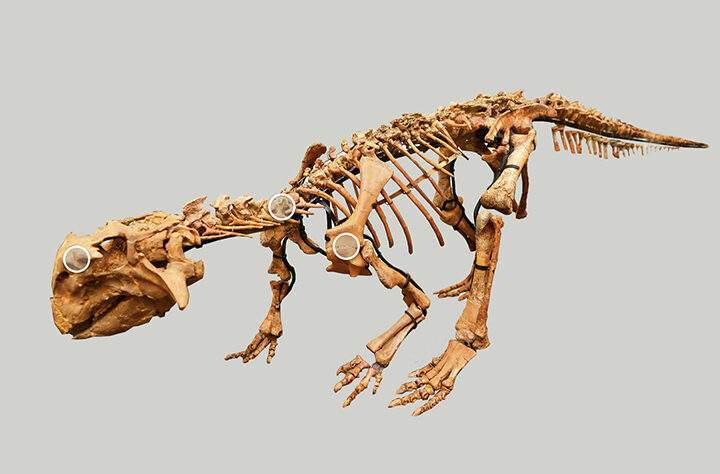
© Kuzbass History MuseumA skeleton of Psittacosaurus Sibiricus currently on display in Kuzbass history museum; head comparison of the different species of Psittacosaurus drawn by Nobu Tomura, and the new discovery, pictured
If confirmed a dinosaur, this will become only the third such egg shell found in Russia.
The first was discovered in 2007 thousands of miles from Kemerovo in Chukotka, Russia's easternmost territory.
There the shells from the eggs of two groups of dinosaur some 70 million years old were unearthed at the Late Cretaceous locality of Kakanaut.
A year later the second egg belonging to a small carnivorous dinosaur aged 125 million years was found at the same Shestakovo-3 site in Kemerovo region.
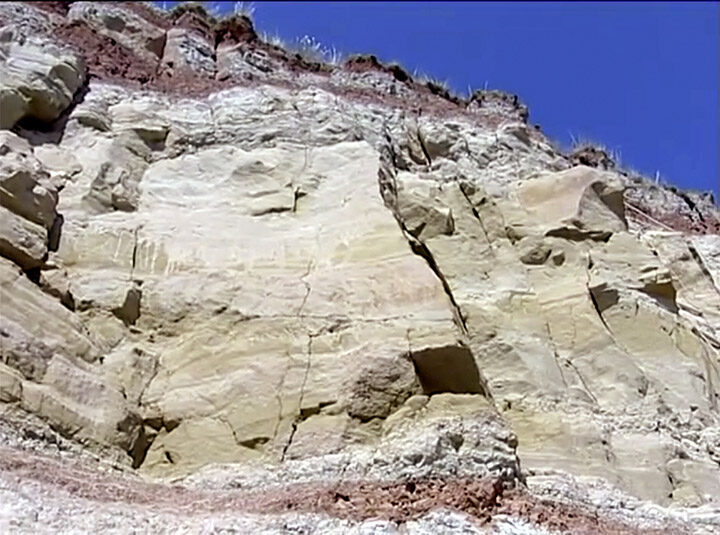
© Nikolay DimidenkoShestakovo site in Kemerovo region, pictures from 2014
The egg will also be recreated in 3D.
It will be registered and exhibited at the Kuzbass State Museum of Local History.
The Shestakovo dinosaur graveyard is a unique paleontological and archaeological site with the world's only discovered complete skeletons of Psittacosaurus Sibiricus, Russia's largest collection of the skeletons of Early Cretaceous dinosaurs and other extinct animals.
It has more than 50 archaeological sites from the Paleolithic era to the Middle Ages and eight unique geological formations, including two extinct volcanoes.
Since 2014, Shestakovo paleontological site has also been developing as a tourist destination allowing visitors to see all the excavation sites.



Comment: See also: