

© UIG via Getty ImagesIf we close our minds to ideas that upset us, the long-term consequence is that our minds will atrophy. We will no longer be able to think for ourselves, writes Stephen Pollard (photograph of Hitler Youth members burning books, dated 1938).
Through editing the newspaper, I am confronted daily with the legacy of that unique evil, including the suppression of debate, the distortion of truth and even the burning of books at the heart of that terrible chapter in our history.
I know, too, that the Third Reich's totalitarian impulse - that only one type of question and one type of answer are legitimate, and all else must be extinguished - is far from unique because repressive regimes the world over continue to ban freedom of enquiry and freedom of expression.
We must be on our guard.
You might wonder, then, what Friday night's attack on Tory MP Jacob Rees-Mogg as he attempted to give a talk to students has to do with this. Or last week's decision - now reversed in the face of near-universal outrage - by Manchester Art Gallery to remove a pre-Raphaelite painting featuring mild nudity, Hylas And The Nymphs.
Comment: See: More gender insanity: Manchester museum removes famous Waterhouse painting because it has nude nymphs
These are both an attempt to silence a view because it offends some people. It is for good reason that a new word entered the Oxford English Dictionary last month: a snowflake is 'an overly sensitive or easily offended person'.
When the snowflake generation seeks to silence an MP because they disagree with him, or prompt an art gallery to remove a painting because someone might be offended by the nude depiction of a woman, they believe they have right and morality on their side.
But theirs is a dangerous delusion. Because free speech - and the offence which can come with it - is the bedrock of freedom itself.
The snowflakes are becoming an avalanche. Barely a week now passes without a fresh demand that they be protected from some form of supposedly offensive behaviour in the name of morality and decency.
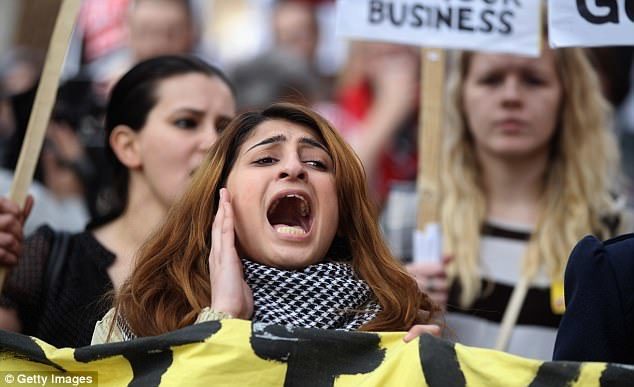
© Getty ImagesThe snowflakes are becoming an avalanche. Barely a week now passes without a fresh demand that they be protected from some form of supposedly offensive behaviour in the name of morality and decency.
Comment: See:
Ross didn't like the idea of his son playing with dolls - sexist. Monica was 'fat shamed' - sexist. Chandler called his drag-queen father by his male birth name - transphobic. And the main characters were all white - racist.
Often the offence taken isn't even theirs. They are, as it were, offended vicariously.
In 2015, students at the University of East Anglia banned a Mexican restaurant from handing out sombreros at the Freshers' Fair because it was a form of 'cultural appropriation' that caused offence to Mexicans.
Not, of course, that any Mexicans had actually been offended. The snowflake students were offended on their behalf. This is of a piece with the insistence in recent years that university campuses be 'safe spaces', where students should be protected from the traumatic risk of encountering anything with which they might disagree or take offence. And this isn't just about student politics. It is affecting academia itself.
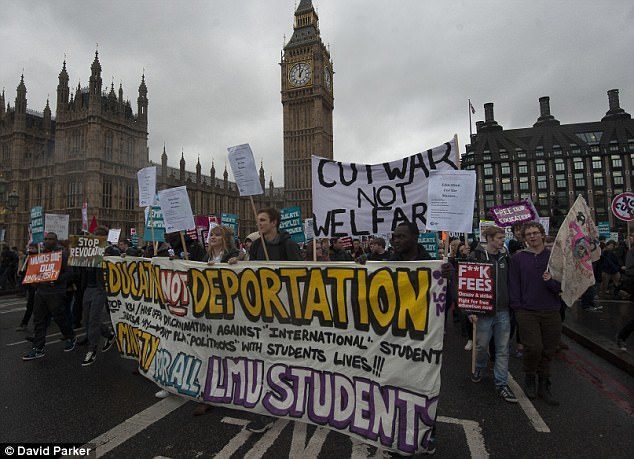
© David ParkerWe should remember how in his novel 1984, George Orwell coined the word ‘Newspeak’ to describe the language used by a totalitarian state that removed the capacity for individual thought and turned words’ meanings on their head.
Comment: See:
Still more ludicrously, at last year's National Union of Students Women's Conference, attendees were asked to use 'jazz hands' instead of clapping. As the NUS Women's Campaign put it: 'Some delegates are requesting that we move to jazz hands rather than clapping, as it's triggering anxiety. Please be mindful!'
God help the poor anxious souls if they ever go to the theatre or a concert.
But there is a far darker side to it than mere idiocy. If we close our minds to ideas that upset us, the long-term consequence is that our minds will atrophy. We will no longer be able to think for ourselves.
We are seeing the stunting of debate, the closing of minds.
Take the furore over seminars held by Nigel Biggar, Regius Professor of Moral and Pastoral Theology at Oxford, an expert in his field, who has suggested there might have been some positives to the British Empire.
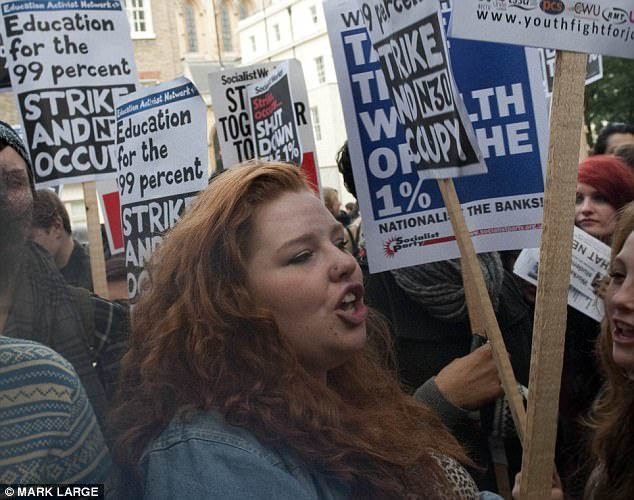
© Mark LargeDemands that only one form of thought is permitted, and that anything which deviates from it is offensive and should be banned, are profoundly dangerous. They pretend to be about care and concern, but are in reality a form of intellectual totalitarianism.
Comment: See: Oxford historians object to project assessing ethics of empire 'because empire is always bad'
So it was right that the Vice Chancellor of Oxford University, Professor Louise Richardson, should spell out why free speech and thought are so vital on campus.
In a talk, Prof Richardson said she had had many conversations with students who were upset they had tutors who expressed a view with which they disagreed, on homosexuality. 'And I say, "I'm sorry, but my job isn't to make you feel comfortable." Education is not about being comfortable. I'm interested in making you uncomfortable. If you don't like his views, you challenge them, engage with them, and figure [out] how a smart person can have views like that. Work out how you can persuade him to change his mind.'
You can guess what happened next. The students' union offered emotional support to anyone who had been made uncomfortable by her words. More than 2,000 students attacked her in a vitriolic open letter. And Prof Richardson then issued a clarifying statement.
We should remember how in his novel 1984, George Orwell coined the word 'Newspeak' to describe the language used by a totalitarian state that removed the capacity for individual thought and turned words' meanings on their head.
In Orwell's dystopian world, The Party used slogans such as War is Peace, Freedom is Slavery, and Ignorance is Strength.
Satire - yes. But a warning, also.
Demands that only one form of thought is permitted, and that anything which deviates from it is offensive and should be banned, are profoundly dangerous. They pretend to be about care and concern, but are in reality a form of intellectual totalitarianism.
Without offence and without upset, there is tyranny.

Comment: While it's easy to mock the snowflakes due to their ludicrous and hilarious hyper-sensitivity, it's hiding a more ominous agenda. What happens when we conceded liberties in the face of absurd protest? The above author lays it out, yet how many are listening?
See also: