
Krista McLennan, who made the discovery while working on her PhD at Northampton University, believes her findings could help improve milk yields.
The 27-year-old measured the heart rates and cortisol levels of cows to see how they cope when isolated.
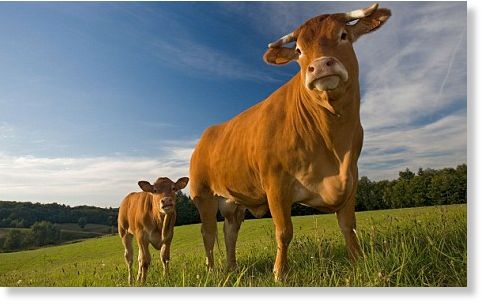
© UnknownWe want to be together: Cows have best friends within their herds and become stressed if separated, a study has found
Cattle were penned on their own, with their best friend or with another cow they did not know for 30 minutes and their heart rates were measured at 15-second intervals.
The research showed cows were very social animals which often formed close bonds with friends in their herd.
'When heifers have their preferred partner with them, their stress levels in terms of their heart rates are reduced compared with if they were with a random individual,' Ms McLennan said.
'If we can encourage farmers to keep an eye out for those cows which like to keep their friends with them, it could have some real benefits, such as improving their milk yields and reducing stress for the animals, which is very important for their welfare.
'I've spoken to a number of farmers who have said they do notice bonds building among their cows and some spending a lot of time together.'
Ms McLennan pointed out that modern farming practices mean cows are often separated for visits from the vet or by farmers moving their stock around.
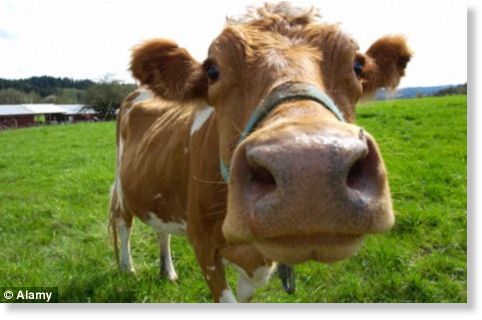
© AlamyI'm stressed! Krista McLennan's research could help improve milk yields by helping farmers better understand how to keep their cows happy
She now hopes her suggestion that cows like to stay with their best friends will be taken on by the dairy industry.
Trevor Foss, chairman of the Northamptonshire branch of the NFU, said the research could be of real use to dairy farmers.
He said 'I've heard people say if you leave the radio on for the cows they're a lot happier, so there might be something in this.
'I suppose cows must be a bit like humans.
'Some might like to be on their own while others might not.'
Charles Reader, a farmer at Evenley near Brackley, Northants, for 28 years, said 'All livestock are herd animals and they get a bit stressed if you separate them out.'



I have seen so much of this type of data now that it is beginning to become overwhelming. They are beings, too!
I knew this from a theory standpoint. But it takes a while to sink in.
I remember hearing when I was young that African hunters asked their prey to forgive them for killing so that they could eat.
Such customs have been know about in the West at least since James Frazer published "The Golden Bough" in 1922. And so it seems the "savages" were basically right!