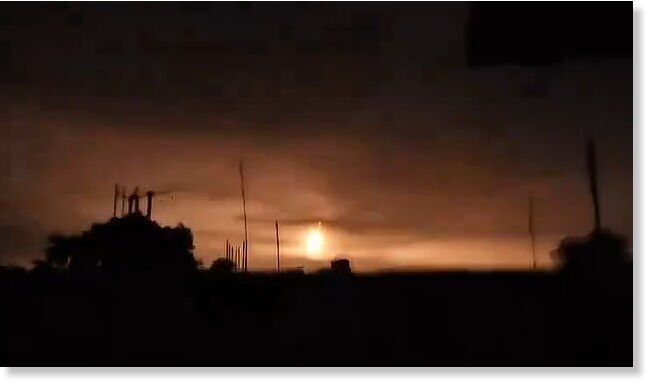
An asteroid hit Earth on Wednesday as it entered the atmosphere over the Philippines
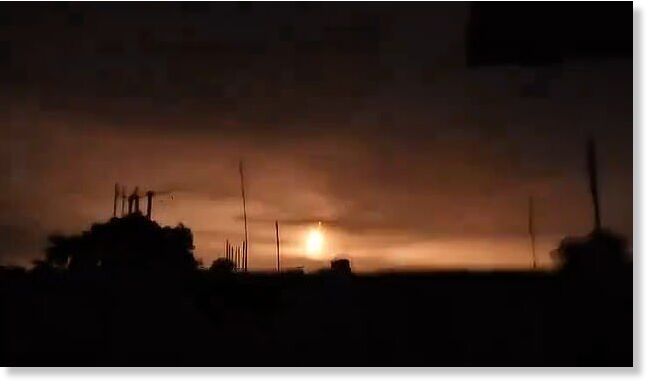
An asteroid hit Earth Wednesday, appearing like a ball of fire as it soared over the Philippines.
Locals watched in wonder as the space rock streaked through the atmosphere at 39,000 miles per hour and broke apart before getting close to ground.
Footage of the event appeared to show asteroid 2024 RW1 beam
brighter than the moon over Luzon Island at 12:46 a.m. local time.The European Space Agency (ESA) renamed the three-foot asteroid 2024 RW1, after it was given the temporary title CAQTDL2.
'Thanks to new observations, we now have a very good idea of where it will impact,' the ESA said in the two hours leading up to the object's appearance, adding: 'Welcome to Earth asteroid 2024 RW1.'
People speculated the asteroid would still be 'a good lightshow' despite it's small size while others praised scientists ability to predict where and when an asteroid would hit.
Comment:
Footage of the event appeared to show asteroid 2024 RW1 beam brighter than the moon over Luzon Island at 12:46 a.m. local time.
Does not match the time of this observation posted on Twitter:
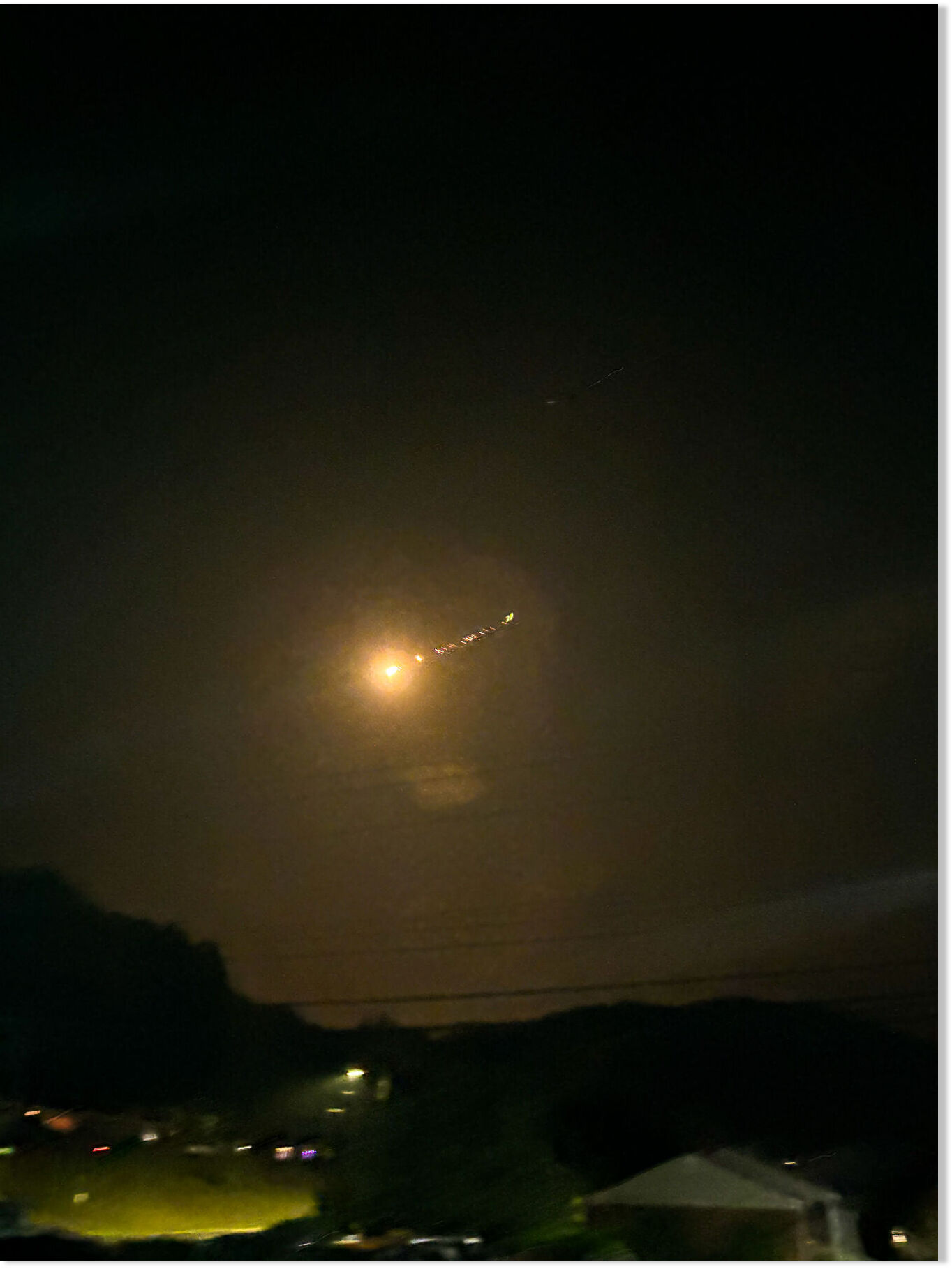
𝗪𝗘𝗟𝗖𝗢𝗠𝗘 𝗧𝗢 𝗘𝗔𝗥𝗧𝗛, 𝗔𝗦𝗧𝗘𝗥𝗢𝗜𝗗 𝟮𝟬𝟮𝟰 𝗥𝗪𝟭! Here's a clear shot of the much-awaited small asteroid 2024 RW1 (#CAQTDL2) burning bright into a greenish 'fireball' over Lal-lo, Cagayan around 12:39 AM PhST, 05 September 2024. Did you see it too?
The last time and place matches this record:
Which is the second in the screenshot of the
CNEOS Fireball list.
Calculated total impact energy was 0.2 kt of TNT.
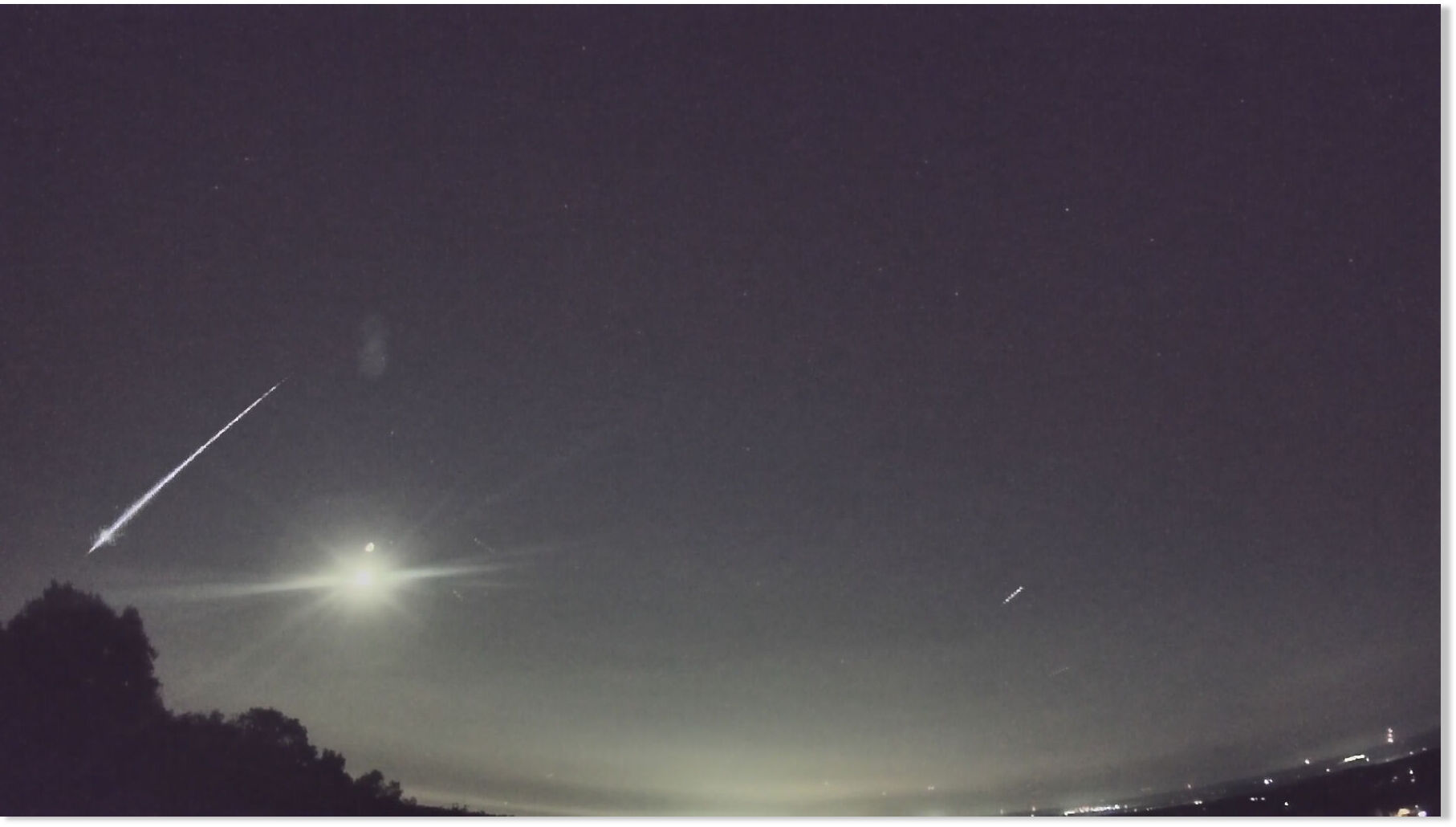
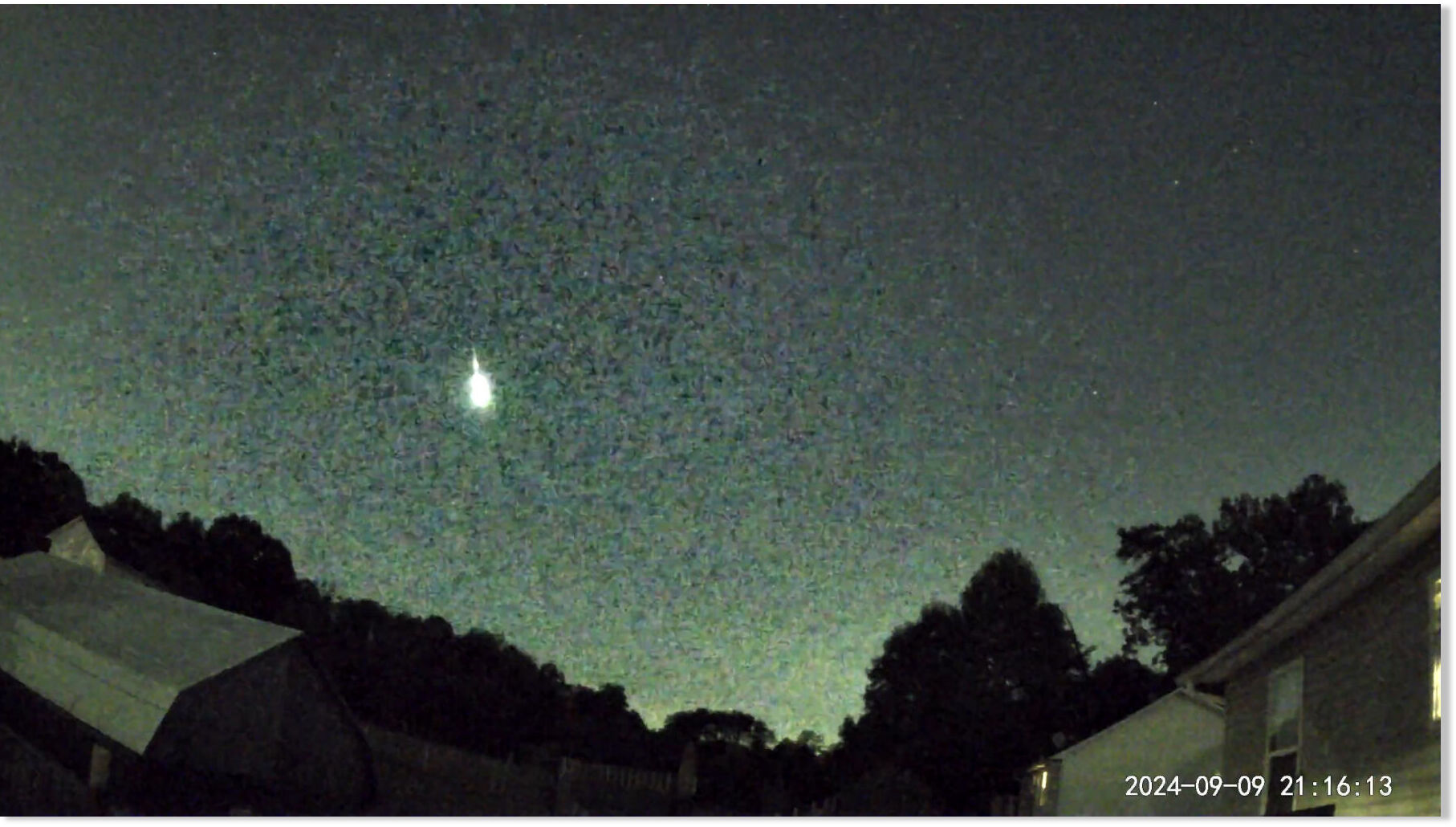
If we include this observation, we now have for 2024 the following list of events that have both entered the CNEOS list and have been caught by the "public eye", not merely satellites over remote areas.








Comment: Does not match the time of this observation posted on Twitter: The last time and place matches this record:
If we include this observation, we now have for 2024 the following list of events that have both entered the CNEOS list and have been caught by the "public eye", not merely satellites over remote areas.