
SOTT
SIGNS
OF THE
TIMES
OF THE
TIMES
Welcome to Sott.net
The World for People who Think
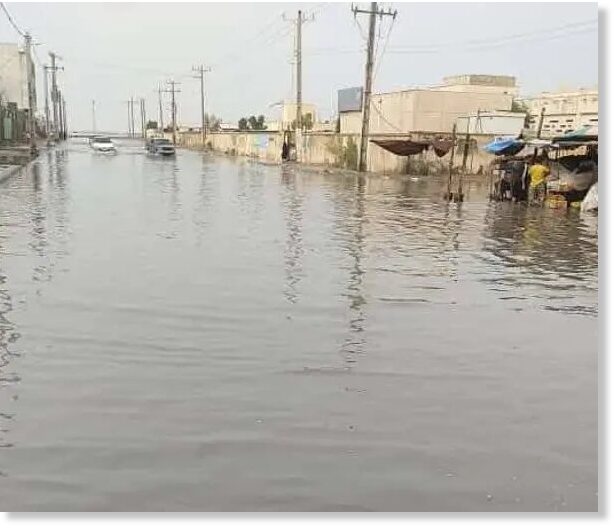
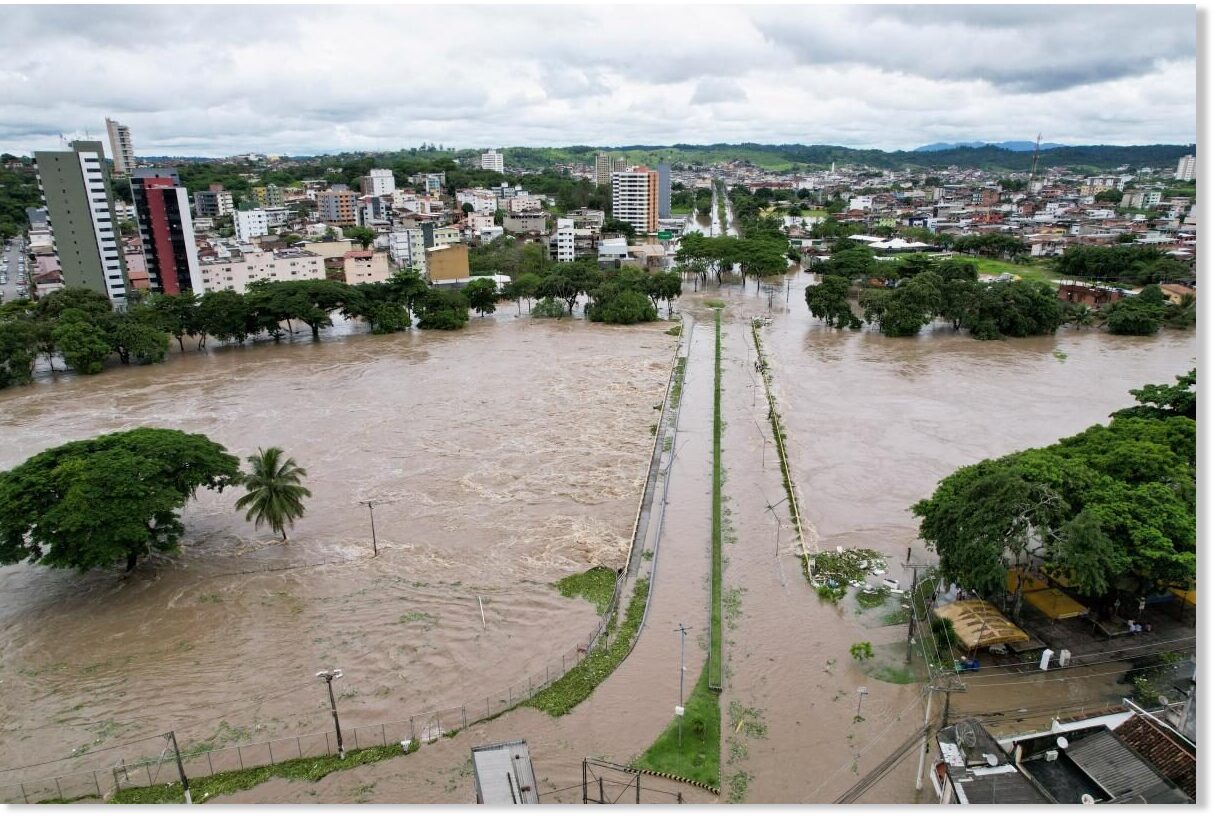
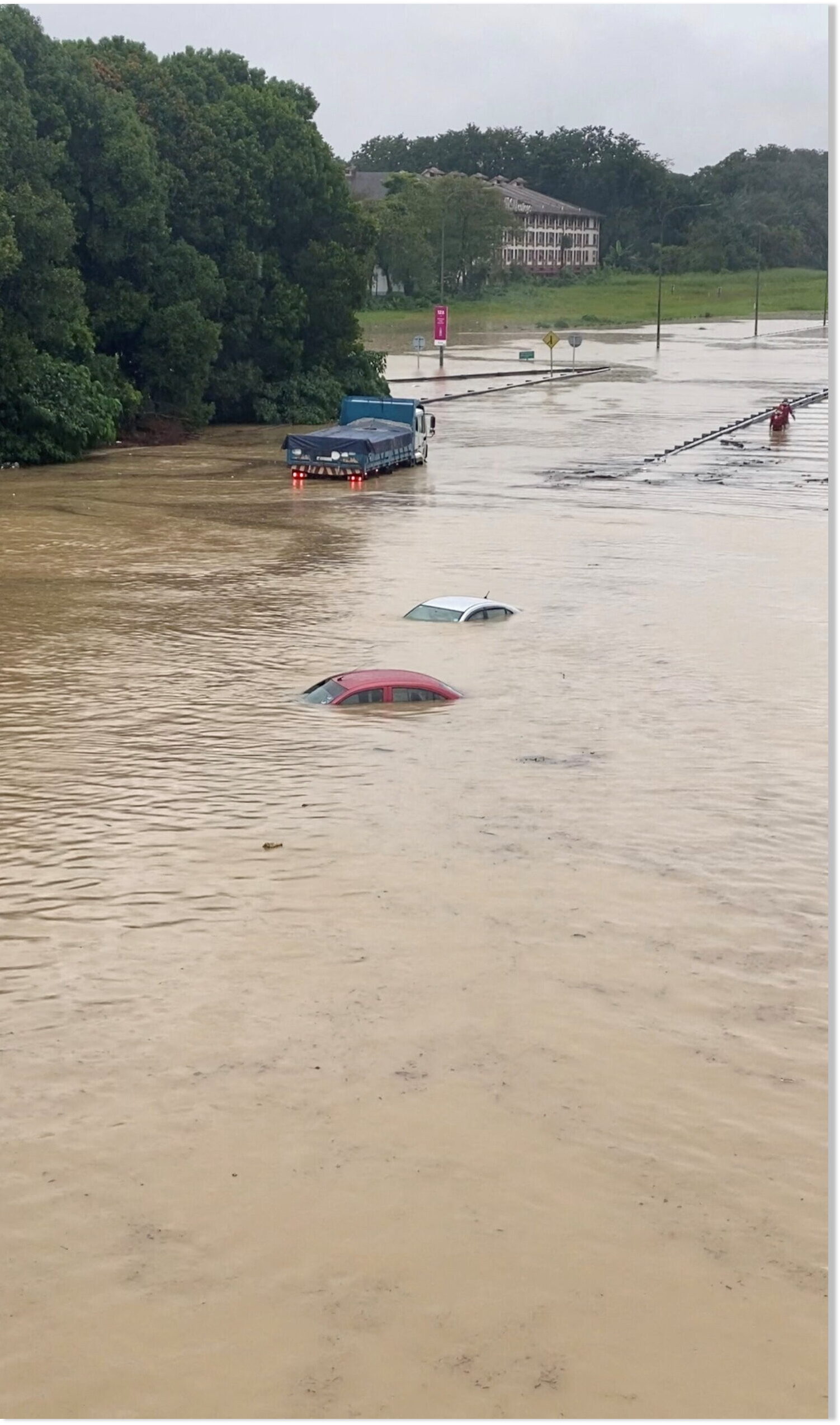
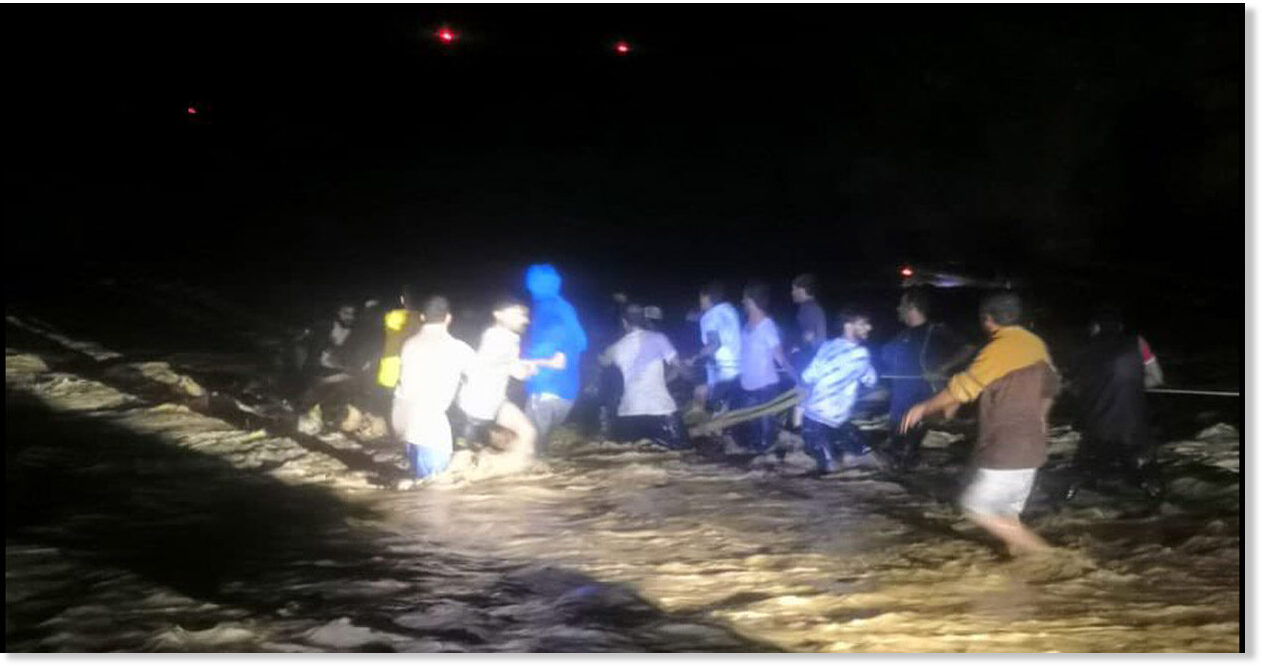
14 Dead, 71,000 Displaced As Malaysia Battles Its Worst Flooding In YearsUpdate 2: La Prensa Latina reports on December 23:Thousands of emergency service and military personnel have been mobilised in response.
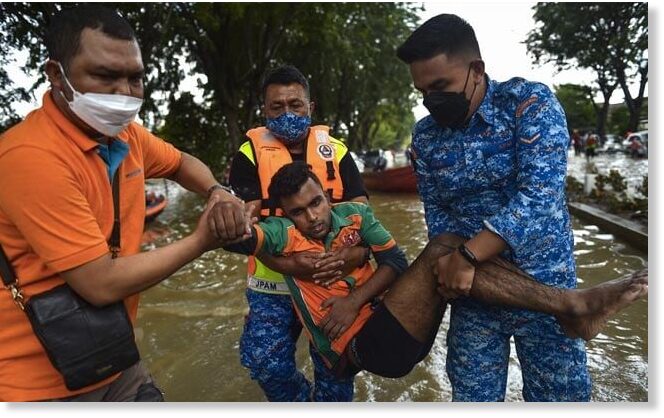
The Malaysian military used boats Tuesday to distribute food to desperate people trapped in their homes after massive floods, as the death toll rose to 14 with over 70,000 displaced.
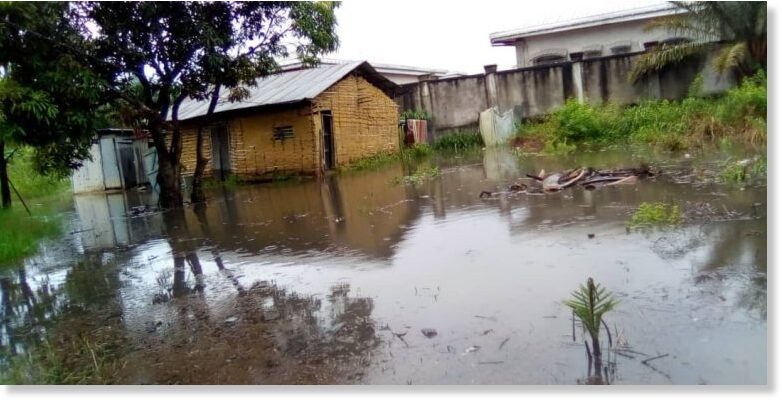
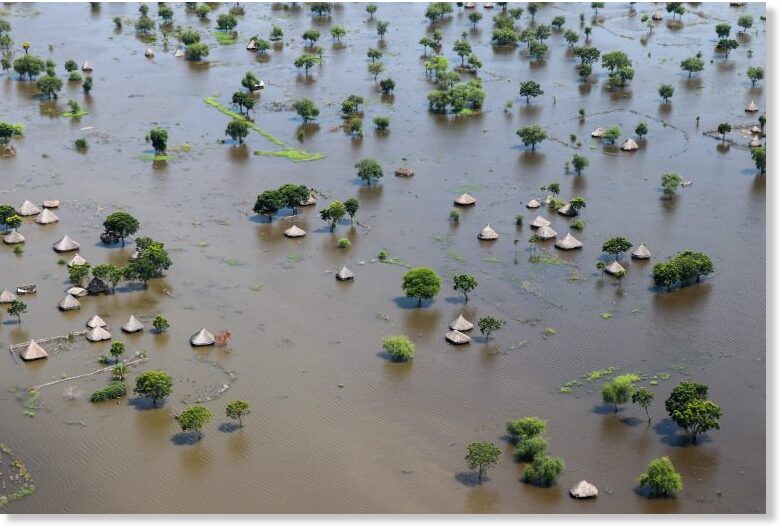
Days of torrential rain triggered some of the worst flooding in years across the country at the weekend, swamping cities and villages and cutting off major roads.
Selangor -- the country's wealthiest and most densely populated state, encircling the capital Kuala Lumpur -- is one of the worst-hit areas.
In the city of Shah Alam, some areas were still under water Tuesday and military personnel in boats distributed food to people stuck in their homes and government shelters.
Kartik Subramany fled his house as floodwaters rose, and took refuge in a school for 48 hours before being evacuated with his family to a shelter.
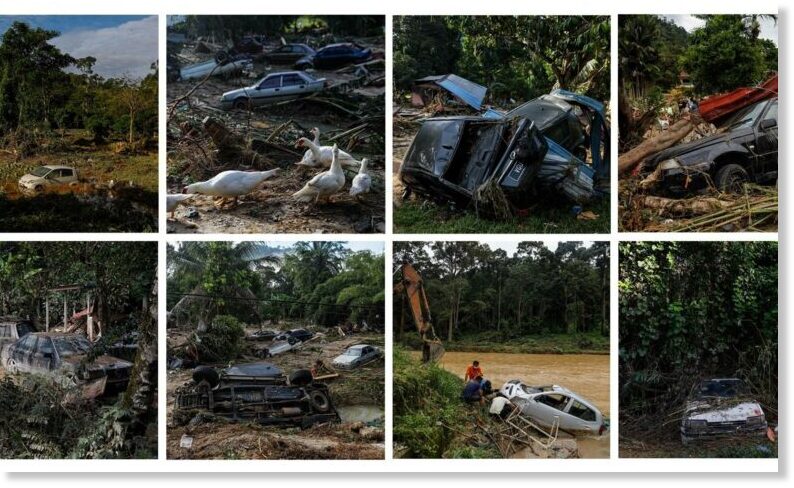
"My house is totally damaged, my two cars are wrecked," the 29-year-old told AFP.
"These are the worst floods of my entire life. The federal government has failed the people miserably -- it has failed in its primary function to protect and safeguard lives."
He is among a growing number criticising what they say is a slow and inadequate official response.
Thousands of emergency service and military personnel have been mobilised, but critics say it is not enough and volunteers have stepped in to provide food and boats for the rescue effort.
There have also been reports of supermarkets being looted in one hard-hit Shah Alam neighbourhood.
'Hopeless' official response
Opposition MP Fuziah Salleh described the official response as "hopeless" and "incompetent".
"No early warning of the torrential rain was given," she told AFP. "It is so sad lives have been lost."
On Tuesday, the death toll from the floods rose to 14, including eight in Selangor and six in the eastern state of Pahang, official news agency Bernama reported.
But with reports of people still missing, it is expected to increase.
More than 71,000 people have been forced from their homes due to the floods, including 41,000 in Pahang and 26,000 in Selangor, according to official data.
Evacuees are being housed in government relief centres but officials have warned to expect a rise in coronavirus cases linked to the crowded shelters.
The rain has stopped and in many areas floodwaters have receded, leaving residents to count the cost.
"I've been doing business for more than 24 years... this has never happened before," said Mohammad Awal, whose cosmetic shop outside Kuala Lumpur was flooded.
The Southeast Asian nation is hit by floods annually during the monsoon season, but those at the weekend were the worst since 2014 when over 100,000 people were forced from their homes.
Death toll from Malaysia's worst flooding in century rises to 37The worst flooding in a century has killed at least 37 people, inundated large parts of Malaysia, and displaced 68,000 people from their home, officials said Thursday.
The authorities have sheltered the displaced in evacuation centers, official Bernama news agency said.
Heavy rains that hit seven regions, including the capital Kuala Lumpur, last Friday and Saturday triggered the worst in the last 100 years floods amid fears that the calamity will recur in the future due to climate change.
Most of the deaths have occurred in Selangor and Pahang in the south of Malaysia.
The water level has since declined, giving rescuers better access to the worst-affected areas and recovering the bodies.
However, the water level in 23 areas, many of them close to river beds, remains "alarmingly high," Police Inspector General Acryl Sani Abdullah Sani said on Thursday.
The police officer said rivers were overflowing with floodwater, and "there could be a possibility of more floods in the coming days."
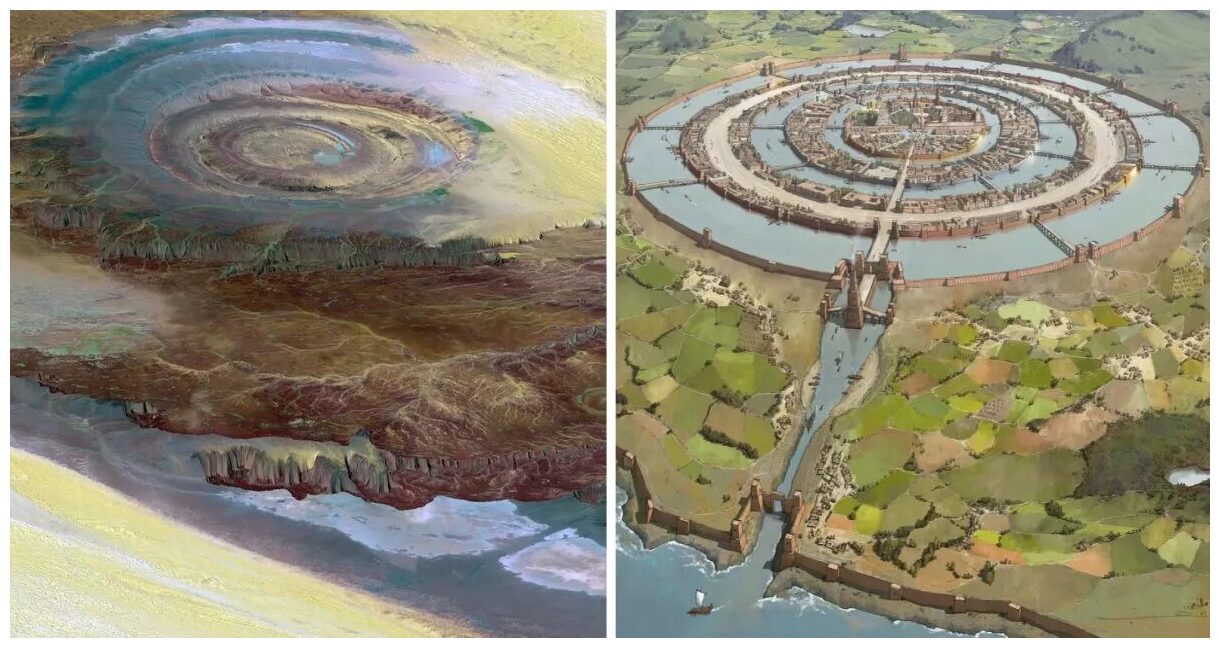
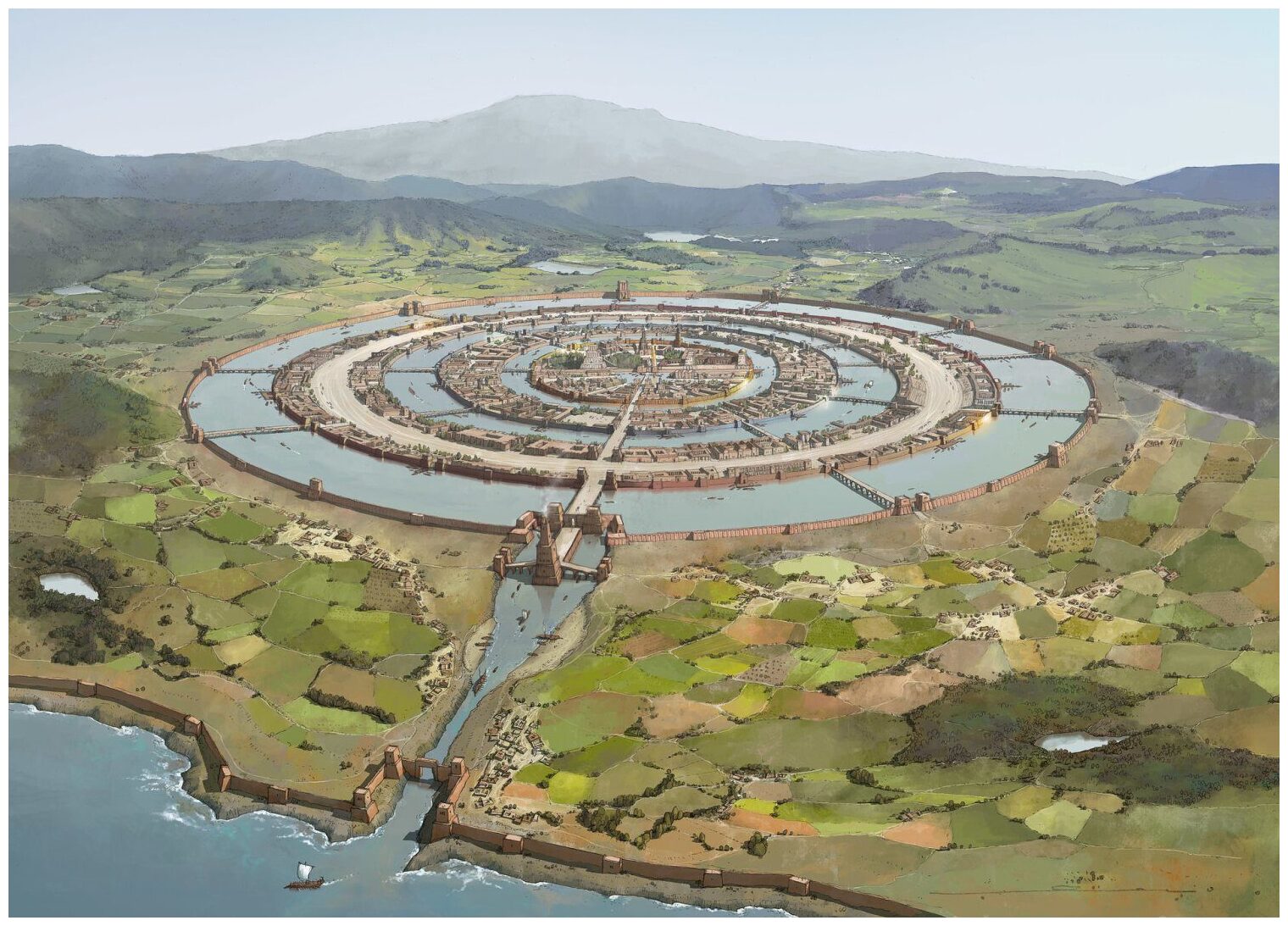
Poseidon carved the mountain where his love dwelt into a palace and enclosed it with three circular moats of increasing width, varying from one to three stadia and separated by rings of land proportional in size. The Atlanteans then built bridges northward from the mountain, making a route to the rest of the island. They dug a great canal to the sea, and alongside the bridges carved tunnels into the rings of rock so that ships could pass into the city around the mountain; they carved docks from the rock walls of the moats. Every passage to the city was guarded by gates and towers, and a wall surrounded each ring of the city. The walls were constructed of red, white, and black rock, quarried from the moats, and were covered with brass, tin, and the precious metal orichalcum, respectively.So, according to Plato, Atlantis looked something like this:

Typhoon Rai: rescue efforts continue after strongest storm to hit Philippines this yearUpdate 2: The Newastle Herald carried this Australian Associated Press report on December 19:At least 33 people have been killed in the strongest typhoon to hit the Philippines this year, official tallies showed on Saturday, with a charity reporting "alarming" destruction on islands that bore the brunt of the storm.© Philippine Coast GuardDamage caused by super typhoon Rai after the storm crossed over Surigao City in Surigao del Norte province.
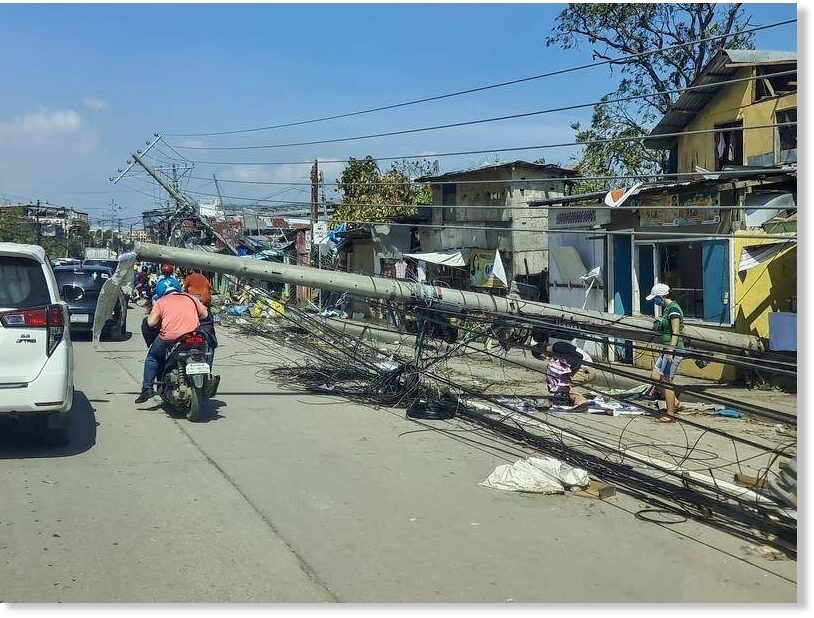
More than 300,000 people fled their homes and beachfront resorts as Typhoon Rai ravaged the southern and central regions of the archipelago, knocking out communications and electricity in many areas, ripping off roofs and toppling concrete power poles.
Rai was a super typhoon when it slammed into Siargao Island on Thursday, packing maximum sustained winds of 195 km/h (120 mph). On Friday, wind speeds eased to 150 km/h, the state weather forecaster said.
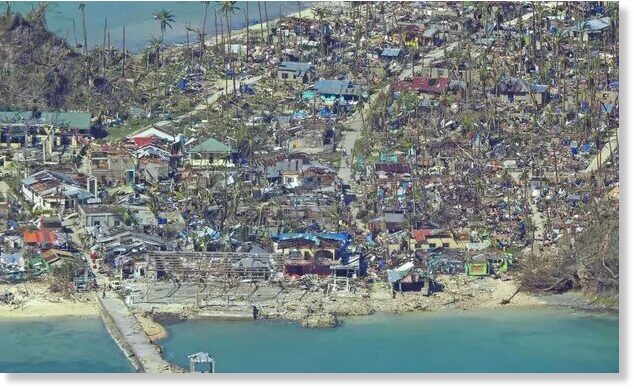
Aerial photos shared by the military showed widespread damage in the town of General Luna, where many surfers and holidaymakers had flocked for Christmas, with buildings stripped of roofs and debris littering the ground.
"Everything was flying, it was as if it was the end of the world," Raphy Repdos, a tour operator visiting the island when the storm hit, told AFP.
A neighbouring island, Dinagat, had been "levelled to the ground" by the storm, governor Arlene Bag-ao wrote on Facebook, saying houses, boats and fields were destroyed.
"Walls and roofs were torn and blown off by Odette like paper," Bag-ao said, using the local name for the typhoon.
"We have a dwindling supply of food and water. Electricity and telecommunications are down."
The storm also lashed the popular tourist destination of Palawan island after ravaging the Visayas and the southern island of Mindanao.
The earthquake happened around 40 miles from Pondaguitan in the Philippines.
"We are seeing people walking in the streets, many of them shell-shocked," ABS-CBN correspondent Dennis Datu reported from hard-hit Surigao, which is on the northern tip of Mindanao and near Siargao.
"All buildings sustained heavy damage, including the provincial disaster office. It looks like it's been hit by a bomb."
The main roads leading into the coastal city had been cut off by landslides, fallen trees and toppled power poles, he said.
Rai's wind speeds eased to 150km/h as it barrelled across the country, dumping torrential rain that flooded villages, uprooting trees and shattering wooden structures.
It emerged over the South China Sea on Saturday and was heading towards Vietnam, the state weather forecaster said.
"This is indeed one of the most powerful storms that has hit the Philippines in the month of December in the last decade," Alberto Bocanegra, the head of the International Federation of Red Cross and Red Crescent Societies in the Philippines, told AFP.
"The information we are receiving and the pictures we are receiving are very alarming."
The overall death toll was least 33, according to official tallies.
Communications were still down in Siargao, which took the brunt of the storm, and Bocanegra said the organisation had "grave fears" for people there.
The Philippine coast guard shared photos on social media showing widespread destruction with roofs torn off buildings, wooden structures shattered and palm trees stripped of fronds around Surigao.
Aerial footage showed swathes of rice fields under water.
Scores of flights were cancelled across the country and dozens of ports temporarily closed as the weather bureau warned that metre-high storm surges could cause "life-threatening flooding" in low-lying coastal areas.
The country's second busiest airport in Cebu was damaged and flights have been suspended, Jalad said.
"The devastation is hard to explain," said Joel Darunday, 37, a tour operator in the central island province of Bohol, who was hunkered down at home with his family when the storm ripped off the roof.
"It was very strong. The last time I experienced something like this was back in the 1980s."
People began clearing fallen trees, branches and debris from roads as clean-up efforts and relief operations got under way in areas hit by Rai.
Verified photos taken in Lapu-Lapu city in Cebu province showed roadside buildings flattened by the storm, while sheets of corrugated iron roofing littered streets.
Rai has hit the Philippines late in the typhoon season - most cyclones typically develop between July and October.
Death toll from Typhoon Rai hits 142Update 3:The Pioneer carried this AP report on December 21:The death toll from the strongest typhoon to hit the Philippines this year has risen to 142, as emergency teams reached devastated areas, bringing food, water and other supplies.At least 142 people have been killed after Typhoon Rai battered the Philippines.
More than 480,000 people were displaced by Typhoon Rai, which flattened houses, damaged buildings and knocked out power and communication lines in the country's central and southern provinces, the national disaster agency said on Sunday.
Relief goods were flown in to the affected areas, according to local airlines. Volunteer doctors, rescue workers and other emergency teams were also flown in.
The central province of Bohol reported the highest death toll, at 72, according to its governor Arthur Yap. The number was based on reports from 42 out of 48 towns, he said.
"It is very clear that our people have suffered greatly in terms of destroyed homes and agricultural losses," he noted in a Facebook post.
Yap called for donations of portable generators to distribute among the towns to power water refilling stations, noting, "We cannot survive the next two to three weeks by just waiting for transmission lines to be repaired."
"Supplying the people drinking water is critical and relying on water bottles distribution is merely a stopgap measure which we will not be able to sustain for long," he added.
The island province of Dinagat has recorded 10 fatalities, with five missing, according to Jeffrey Crisostomo, provincial chief information officer.
"Our province survived, but the destruction is everywhere," he told DZBB radio station. "Around 90 per cent to 95 per cent of the province is damaged to totally wrecked."
Crisostomo said even the provincial capital building was damaged by Rai's fierce winds.
"I saw how Rai tore apart our provincial capitol, piece by piece," he said. "The building used to have a second floor, that is now gone. Tables heavier than people were flying at the height of the typhoon."
"It was like a washing machine that was spinning and you don't know where you will run," he added.
Dinagat Governor Arlene Bag-ao earlier likened Rai's aftermath to that of Super Typhoon Haiyan, the strongest typhoon to ever hit the Philippines, killing 6300 people in November 2013.
Haiyan devastated a wide area in the eastern and central Philippines, and displaced more than 4 million people.
Police reported 18 deaths in the nearby province of Negros Occidental, while the national disaster agency said it received reports of 16 people dead in Cebu province.
Twenty-six more fatalities were reported in eight central and southern provinces, according to local officials and police.
Rai moved out of the Philippines on Saturday, but rains were still being monitored in the country's western areas, including Metro Manila.
On Sunday, the typhoon was packing maximum sustained winds of 195 kilometres per hour and gusts of up to 240 km/h as it barrelled towards central Vietnam and Hainan Island in China, the weather bureau said.
The Philippine archipelago is hit by an average of 20 tropical cyclones every year.
375 dead, 56 missing after typhoon slams Philippines
The death toll from the strongest typhoon to batter the Philippines this year climbed to 375, with more than 50 others still missing and several central provinces struggling with downed communications and power outages and pleading for food and water, officials said Monday.
At its strongest, Typhoon Rai packed sustained winds of 195 kilometers (121 miles) per hour with gusts of up to 270 kph (168 mph) before blowing out into the South China Sea on Friday.
At least 375 people were killed, 56 were missing and 500 were injured, according to the national police. The toll may still increase because several towns and villages remained out of reach due to downed communications and power outages, although massive cleanup and repair efforts were underway. Many were killed by falling trees and collapsing walls, flash floods and landslides. A 57-year-old man was found dead hanging from a tree branch and a woman was blown away and died in Negros Occidental province, police said.
Governor Arlene Bag-ao of Dinagat Islands, among the southeastern provinces first hit by the typhoon, said Rai's ferocity on her island province of more than 130,000 people was worse than that of Typhoon Haiyan, one of the most powerful and deadliest typhoons on record which devastated the central Philippines in November 2013 but did not inflict any casualties in Dinagat. "If it was like being in a washing machine before, this time there was like a huge monster that smashed itself everywhere, grabbed anything like trees and tin roofs and then hurled them everywhere," Bag-ao said by telephone. "The wind was swirling north to south to east and west repeatedly for six hours. Some tin roof sheets were blown away and then were tossed back." At least 14 villagers died and more than 100 others were injured by flying roofs, debris and glass shards and were treated in makeshift surgery rooms in damaged hospitals in Dinagat, Bag-ao said.
Many more would have died if thousands of residents had not been evacuated from high-risk villages. Dinagat and several other typhoon-hit provinces remained without electricity and communications and many residents needed construction materials, food and water. Bag-ao and other provincial officials traveled to nearby regions that had cellphone signals to seek aid and coordinate recovery efforts with the national government.

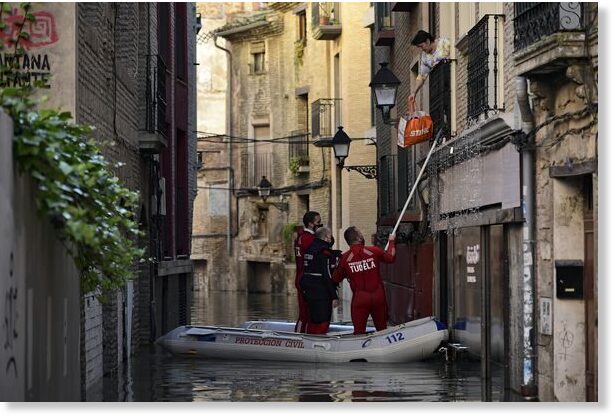
Spain - Rain Triggers Deadly Floods and Landslides in Navarre
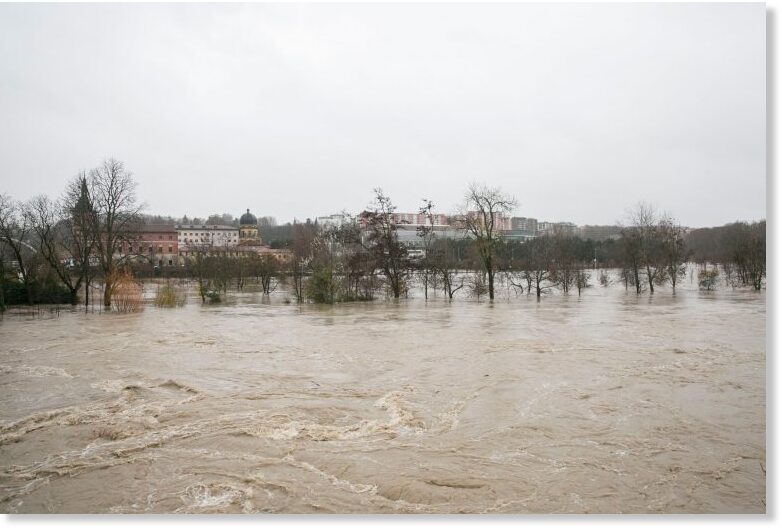
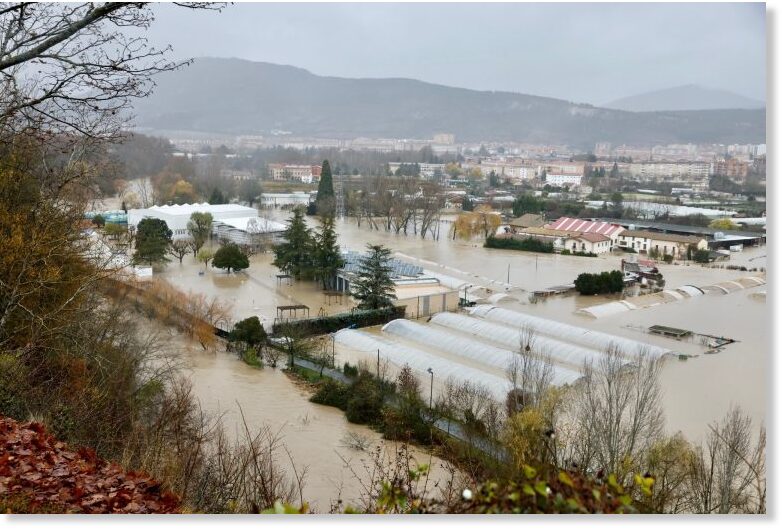
At least 2 people have died after heavy rain caused floods and landslides in the Navarre region of northern Spain.Parts of northern Spain have seen heavy rainfall since late November 2021, when floods prompted rescues in Asturias and Cantabria and later the Basque Region.© Ayuntamiento de PamplonaFloods in Pamplona, Spain, 10 December 2021.
Further heavy rain accompanied by the thawing of snow at higher altitudes fell from around 09 December 2021, triggering floods in the Navarre (also Navarra) region. On 09 December the region's government activated the pre-emergency level due to the threat of floods from rising rivers including the Ebro, Ega, Bidasoa and Arga.
As of 10 December, the government reported that the swollen Bidasoa river caused flooding in Elizondo, Baztan and Sunbilla and that some riverside communities along the Arga river were also affected, including the Pamplona neighbourhoods of Rochapea, San Jorge and Txantrea, and the towns of Huarte, Villava and Burlata. Dozens of people were evacuated from a care home in the municipality of Aranzadi in Pamplona, after the Arga broke its banks on 10 December. By 11 December the swollen Ebro river had caused flooding in Tudela.Flooded roads left some communities isolated. Floods affected two main highways - the N-121-A at the height of the Belate and Almandoz tunnels; and the N-135, in the Puerto de Erro. Likewise, around thirty secondary roads were blocked by floods, landslides or snow.© Ayuntamiento de PamplonaFloods in Pamplona, Spain, 10 December 2021.
One fatality was reported after a landslide in the village of Sunbilla. One man was reported missing and later found dead after being swept away by the flooding Bidasoa river in Elizondo.
On 12 December, President of Navarre region María Chivite said a total of 74 municipalities have been affected and announced she will request the central government to declare a natural disaster which would allow access to the aid granted by both the Spanish government and the European Union.
Rivers and Rainfall
According to figures from Spain's Meteorological Agency (AEMET), in a 24 hour period to 09 December, Bera in Navarre recorded 126.2 mm of rain and Roncesvalles 92.6 mm. The following day Roncesvalles saw a further 134.2 mm, while Luzaide recorded 91.8 mm and Esteribar 82.8 mm.
The Arga in Pamplona reached 4.80 metres 10 December, while the Ebro River in Castejón reached 7.94 metres as of 11 December. The government of Navarra said the Ebro at Tudela reached 6.17 metres on 12 December, higher than during the floods of 2015 where it reached 5.85 metres.
As of 13 December, red alerts remained in place for the Ebro at Castejon and the Arga at Larraun. An orange alert was in place for the Ebro Alto at Logroño in La Rioja region, and further south at Zaragoza, capital of Aragon region where levels stood at 4.71 metres and rising, as of 13 December.





Comment: Update: The National reported on January 1: