Health & Wellness
Few things in nutrition and public health are as controversial as cholesterol and heart disease risk, as well as how the two are affected by diet.There is an immense amount of research on this topic, but a lot of it is tainted by bias and commercial influences.
Additionally, a large percentage of health professionals seem to be basing their recommendations on knowledge that became outdated many years ago.
In the video above, Dr. Peter Attia, a medical doctor and one of the founders of the Nutrition Science Initiative (NuSi), explains everything you need to know about diet, cholesterol and lipoproteins.If you're a nutrition enthusiast (likely if you're reading this), then I highly recommend that you watch this video, even more than once.This video explains better than anything I've ever seen how all of these things are related to diet and how they affect our risk of heart disease.
All of this is a critical piece of the puzzle if you want to understand the complex interactions between fat, carbs, diet and health.

Caption of Rob Schneider's video outlining the vaccine-autsim link. Vaccine manufactures and medical ‘experts’ with drug industry connections have been aware of the multiple dangers associated with vaccinations for over 30 years.
For example, if we take a look at GlaxoSmithKline and Pfizer, they are owned by the same financial institutions and groups that own Time Warner (CNN, HBO etc.) and General Electric (NBC, Comcast, Universal Pictures etc.).(1)(2)(3)(4) This is seen throughout all of the major vaccine manufacturers and all of the 6 corporations that control our mainstream media. Keep in mind that these are the major funders of all 'medical research' that's used to administer drugs and vaccinations. Despite these connections, medical research and documentation exists to show that vaccines might indeed be a cause for concern.
Last year, we reported on the dangers of insulin therapy for type 2 diabetics, following the publication of a study comprised of almost 85,000 type 2 diabetic patients that found insulin monotherapy doubled their risk of all-cause mortality, in addition to significantly increasing their risk for diabetes-related complications and cancer. Insulin monotherapy resulted in:
- 2.0 times more myocardial infarctions.
- 1.7 time more major adverse cardiac events
- 1.4 time more strokes
- 3.5 times more renal complications
- 2.1 time more neuropathy
- 1.2 times more eye complications
- 1.4 times more cancer
- 2.2 times more deaths
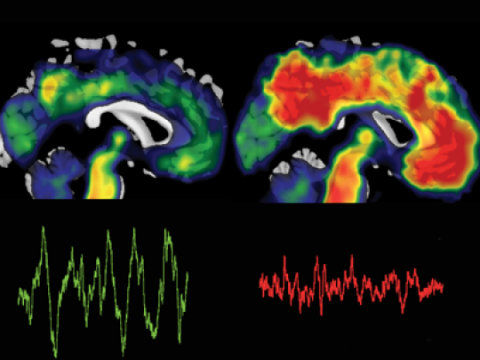
Experts at the University of Rochester Medical Center found that subjecting young mice to air pollution causes unhealthy changes in their brains, including the enlarging of the same areas found in humans diagnosed with autism and schizophrenia.
The research showed the changes tended to occur more often in males, and that other troubles like memory loss, learning disability and impulsivity became prevalent. The findings support those of earlier studies indicating a link between air pollution and autism in children.
Last year, JAMA Psychiatry reported a correlation between children living in areas with high levels of traffic-related air pollution and autism. In fact, these kids were three times more likely to develop the condition.
A major aspect of Camelot's orthomolecular (mega-dose vitamin) treatment incorporated DMSO, which has been proven to carry compounds deeply and rapidly into tissue while also having it's own properties that promote cancer cell apoptosis (cell death).
Most normal cells are programmed for apoptosis as part of their cycle for allowing new cells to generate. Cancer cells don't have this property, so they claim immortality by never dying by themselves, eventually forming tumors.
Worse: the nutty scientists are urging governments to change dietary guidelines.
At the journal of Climatic Change, Peter Scarborough et al claim that "reducing the intake of meat and other animal based products can make a valuable contribution to climate change mitigation."
Moreover they urge: "National governments that are considering an update of dietary recommendations in order to define a 'healthy, sustainable diet' must incorporate the recommendation to lower the consumption of animal-based products."
The team of scientists computed the average daily CO2 emissions for 6 different diet groups. Here are their results:
1. high meat eaters: 7.19 kg/day
2. Medium meat-eaters: 5.63 kg/day
3. low meat-eaters: 4.67 kg/day
4. fish-eaters: 3.91 kg/day
5. vegetarians: 3.81 kg/day
6. vegans: 2.89 kg/day
1. Commercial sponsors of clinical trials may not be motivated to search exhaustively for potential side effects..
2. Many trials do not state clearly how and how often adverse effects were assessed. Because of this, it far from certain that all adverse events have been recognised and logged appropriately.
3. Trial volunteers tend to be enthusiastic individuals, and may therefore be less likely to report side effects than patients in routine clinical practice.
4. Many trials have a 'run-in' period where individuals are given a placebo to help ensure adequate compliance with medication. This can cause studies to be 'enriched' with highly motivated individuals who, again, may be less likely to complain of side-effects.
Comment: As the experts themselves have concluded:
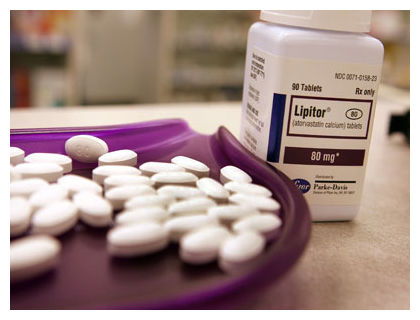
Statins are associated with triple the risk of coronary artery and aortic calcification.For more information, see:
The statin industry is the utmost medical tragedy of all times.
- Vascular surgeon: Why I've ditched statins for good
- Vascular surgeons write a damning report about lowering cholesterol drugs
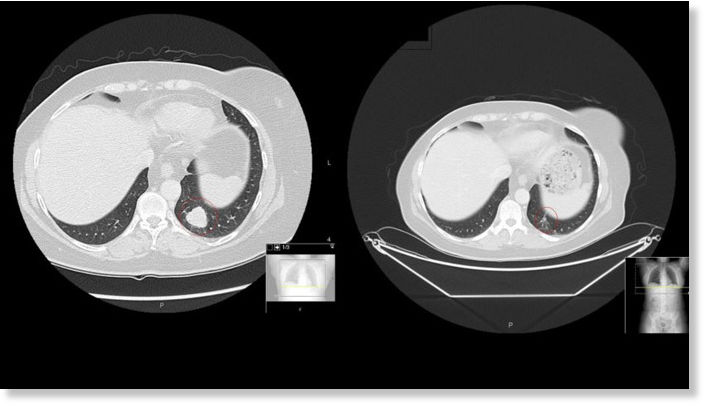
Ovarian cancer strikes fear into the hearts of women, their families, and their doctors, alike. Risks of false positive diagnosis leading to a treatment that has been demonstrated to result in the worst outcomes of any gynecologic cancer have led the U.S. Preventive Services Task Force (USPSTF) to recommend against routine screening.[1]
The real tragedy - largely still unacknowledged - is that ovarian cancer statistics are not transparent to the fact that five times more women without ovarian cancer end up having surgery than those with ovarian cancer, according to a 2011 JAMA retrospective study of ovarian cancer screening.[2]
It has been linked to obesity, infertility and reproductive disorders in both genders, diabetes, breast cancer, prostate cancer, behavioral problems, liver tumors and more. A Harvard study found a whopping 1200% spike in BPA levels in the urine of people who had recently eaten canned soup, and study after study is showing that harm results at much lower levels than previously thought.
However, even more troubling are the studies revealing that BPA substitutes carry the same level and range of dangers that hoodwink people by labeling "BPA Free" when the presence of bisphenol remains as Bisphenol-S, AP, M, or P.
3 new studies are posted below that highlight the dangers to both humans and nature from the presence of these toxins that are still deemed acceptable by the EPA, which continues to urge that the public does not even have a right to know about where BPA and its substitutes appear.

People crowd the beach at Coney Island on Memorial Day May 26, 2014 in the Brooklyn borough of New York.
If you swim at 10 different U.S. beaches, you could end up getting a stomach bug, conjunctivitis or even something more serious from one of them. New research from the National Resources Defense Council, an environmental advocacy group, has concluded that 10% of the country's coastal and lakefront beaches fail to meet the Environmental Protection Agency's water-safety standards - in other words, they're ripe with bacteria.
Things are particularly bad in New England, on the Gulf Coast and along the Great Lakes, according to the data.
The major culprit is stormwater runoff, which inevitably ends up in the ocean after picking up garbage, oil and waste products from both humans and animals along the way. Making matters worse are the hundreds of billions of gallons of sewage that go untreated annually, ending up in water and causing 3.5 million Americans to fall ill each year.


Comment: New public-health studies and laboratory experiments implicate traffic fumes in lowering mental capacity, intelligence and emotional stability as well as damaging the human brain and behavior. Breathing street-level fumes for just 30 minutes can intensify electrical activity in brain regions responsible for behavior, personality and decision-making, change DNA in the elderly and heighten risk for Alzheimer's disease and speed the effects of Parkinson's disease.