
© New York TimesIan Crozier
American doctor Ian Crozier was treated for Ebola in Atlanta last year and declared free of the virus in his blood. But he had no way of knowing it still lurked in his eye.
At the time, his eyes were the least of his worries.
"There were lots of things sort of higher on the food chain," he told CNN's "Anderson Cooper 360." "I was struggling to learn to walk again."
But not long after, mild burning and light sensitivity afflicted his eyes.
Less than two months later, he was back at Emory University Hospital in Atlanta; testing showed the virus was still living in his eye.
PerplexedHis case has left doctors stunned and highlighted the need for eye checkups for Ebola survivors.
Crozier, 44, was hospitalized at Emory University Hospital for more than a month in September after contracting the disease in Sierra Leone, where he worked at a hospital.
At the time, the hospital said he was the sickest of all the four Ebola patients treated there.
Crozier was discharged in October, and about two months later, he developed eye problems and returned to Emory. Doctors stuck a needle in his eye and removed some fluid, which tested positive for the virus.
Comment: "It wouldn't be surprising, in a very severe infection that is spread all over the body, to have some long-term damage to sensitive tissues like nerves," In addition, after a patient is cured,
the virus may also persist in some parts of the body, including the eyes, and cause inflammation and vision problems, Goodman said.
After the 1995 Ebola outbreak in the Democratic Republic of the Congo, about
15 percent of survivors developed eye problems, such as eye pain and vision loss. In the most recent Ebola outbreak in West Africa, there have also been reports of survivors with vision problems, according to the World Health Organization (WHO). These eye problems typically respond well to treatment, but if left untreated, they can lead to blindness, Goodman said.
Long term effects of Ebola?

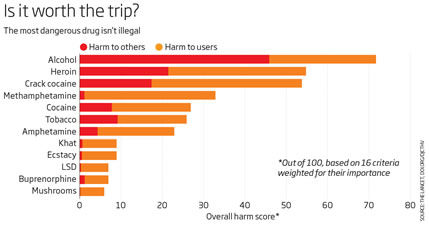












Comment: Alcohol gravest threat to society, claims sacked scientist