Health & WellnessS


Info

Should self-hypnosis phone apps be regulated?

hypnosis app
© Mercury Press
Do you believe in hypnosis? Maybe you've heard of those tapes that promise to help you lose weight or stop smoking, or cure all your fears, or help you remember a past life. Maybe you're more familiar with stage hypnosis, the kind where a magician makes an unsuspecting audience member cluck and peck about the stage like a chicken. Or maybe you remember the recent case of a principal who was found responsible for the deaths of three students he'd hypnotized. Maybe you're skeptical; maybe you're a believer.

Hypnosis has always been somewhat controversial. According to Dr. David Patterson, a University of Washington professor and hypnosis practitioner, though, "Hypnosis is a true perceptual phenomenon that allows people to do remarkable things when used in the right circumstances, and it has accrued a surprising amount of scientific support over the last few years." He suggests it can be a powerful therapeutic tool, and the American Psychological Association (APA) endorses it as a technique for treating conditions like anxiety. He also says, however, that it's "a type of intervention that has always catered to people that are a bit on the edge."

Comment: Experimenting with self hypnosis is nothing to be toyed with. It requires a high level of knowledge of the science behind hypnosis and knowledge of the self. With the FDA's track record, relying on them to declare a health app safe would be folly. Use your common sense and consult a knowledgeable professional.


Water

What's your daily dose of fluoride?

tap water
It's time we look at the fact that we are being dosed with a chemical, in an unmonitored and unstudied way, without our consent.

What if I told you that your drinking water, and everything made from it - drinks to soups - was poisoned? What if I then told you that this poison was being presented as a health-giving intervention, presumed to be in your best interest? You might wonder how such a reality could have ever taken hold.

Are You Fluoridated?

The sordid history of fluoridation reads like a sci-fi novel, now, being brought to the attention of the masses by efforts such as this documentary short entitled Our Daily Dose. Spend 20 minutes taking this in:

Comment: The good news is that you can reduce the amount of accumulated fluoride in your body.


Bacon n Eggs

Why Americans no longer trust the government's food guidelines

food pyramid
Over the past 30 years, the Dietary Guidelines for Americans have become as bloated as the nation's collective waistline, serving up a thick brew of revolving-door nutrition advice, confusing messages, and perhaps even politically influenced eating recommendations.

In 1985, the report — which gives updated nutrition advice to Americans every five years — was just 19 pages long. It resulted in a simple brochure with commonsense advice: "If you are too fat, your chances of developing some chronic disorders are increased. . . . To lose weight, you must take in fewer calories than you burn." It advised against vomiting or using laxatives to lose weight (back when anorexia, not obesity, was a major concern). Only two charts were included: one with the desired weight for average adults and another with the calorie-burn for exercises such as ballroom dancing and chopping wood.

In 2015, the report is a 571-page behemoth and more overwhelming than a Cheesecake Factory menu. It takes on more than it can chew, from sustainability to labor concerns to tax policy. The findings — compiled by a committee appointed by the USDA and Health and Human Services agency — are important because they serve as the scientific basis for the actual dietary guidelines, which are the federal government's official recommendations on how to eat. The recommendations greatly influence federal food programs such as SNAP and child nutrition.

For the guidelines to have any credibility, they must be free from political wrangling. The 2015 guidelines, which are due out by the end of the year, are already far off track. In a last-ditch effort to keep politics out of the final guidelines, the House Agriculture Committee held a hearing last week to examine how the process of developing updated nutrition advice became so ideological.


Health

Organic food debate: Pregnant women, infant and child health

Image
It seems as if it was yesterday when the masses were completely unaware of the concerns being raised by a number of internationally recognized scientists regarding Genetically Modified Foods (GM). Now, dozens of countries in Europe have completely banned or have severe restrictions on GMOs, which includes the pesticides that go along with them. In fact, 19 new countries in Europe recently banned the growing of Genetically Modified foods in their countries, citing a number of health and environmental concerns. You can read more about that here.

Comment: Smart move: EU moves to allow nations to ban GMO crops without negotiating with biotech industry


Magnify

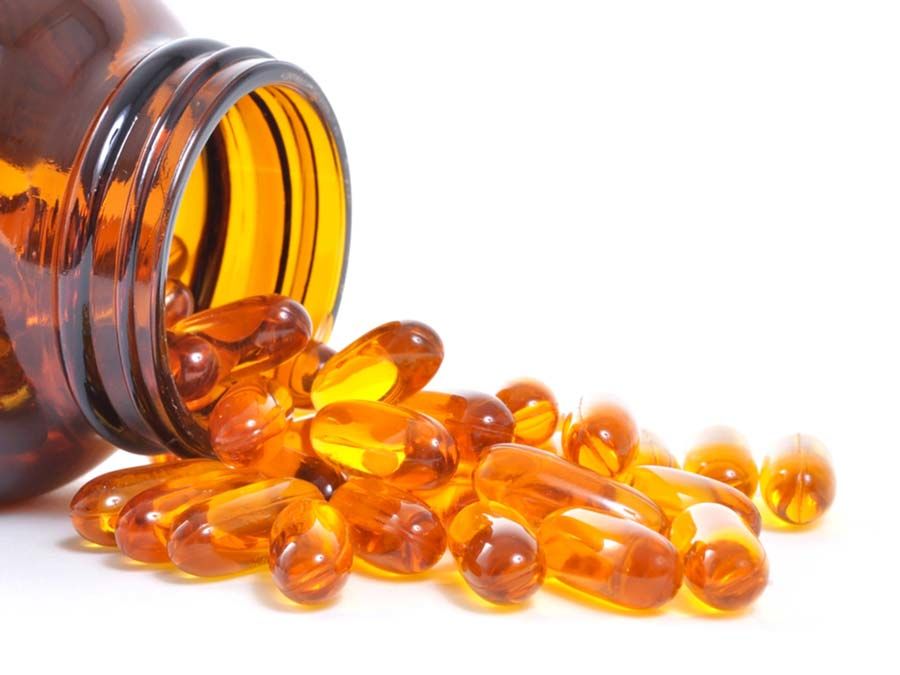
Vitamin D pill a day may improve exercise performance and lower risk of heart disease

Taking vitamin D supplements can improve exercise performance and lower the risk of heart disease, according to the findings of a preliminary study presented today at the Society for Endocrinology annual conference in Edinburgh.

Image
© iStock
Vitamin D, which is both a vitamin and a hormone, helps control levels of calcium and phosphate in the blood and is essential for the formation of bones and teeth. Sources of Vitamin D include oily fish and eggs, but it can be difficult to get enough through diet alone. Most people generate vitamin D by exposing their skin to ultraviolet B rays in sunlight.

Previous studies suggest that vitamin D can block the action of enzyme 11-βHSD1, which is needed to make the "stress hormone" cortisol. High levels of cortisol may raise blood pressure by restricting arteries, narrowing blood vessels and stimulating the kidneys to retain water. As Vitamin D may reduce circulating levels of cortisol, it could theoretically improve exercise performance and lower cardiovascular risk factors.

Health

Boost brain function with MCT fats found in coconut oil

Image
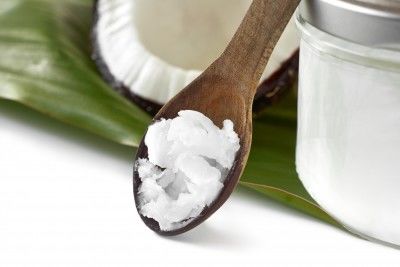
Medium Chain Triglycerides (MCTs), the primary type of fat found within coconut oil, have been found to boost cognitive performance in older adults suffering from memory disorders as serious as Alzheimer's -- and not after months or even days of treatment,but after a single 40 ml dose!

A groundbreaking 2004 study published in the journal Neurobiology of Aging found that the administration of medium chain triglycerides (MCTs), the primary fat type found in coconut oil, almost immediately improved cognitive function in older adults with memory disorders.

Comment: Read more about the benefits of Coconut Oil:


Beaker

Flashback 'Beyond Eggs': Artificial egg product made from GMO canola oil

Image
“Beyond Eggs” is made with Canola Oil. Canola oil is produced from genetically modified rapeseed, and over 90% of the Canola crop in the U.S. is GMO.
It was announced in several media sources that a new plant-based egg replacement product funded by Bill Gates and Paypal billionaire Peter Thiel was being launched at some Whole Foods stores in California:
A radical 'artificial egg' backed by Paypal billionaire Peter Thiel and Bill Gates goes on sale in US supermarkets for the first time today. Made from plants, it can replace eggs in everything from cakes to mayonnaise - without a chicken ever coming close to the production process. The team today started selling their 'plant egg', called Beyond Eggs, in Whole Foods in California - and say it could soon be available in supermarkets worldwide. Source
Apparently the product that shipped to Whole Foods in California was actually the "Just Mayo" made from these egg replacements.

I had to do quite a bit of searching to try and find out what the ingredients of this product were, and could not find it listed anywhere on the Internet, not even on the website of the company producing it.

Comment: How can an 'artificial egg replacement' be a 'healthier food choice' when the whole idea behind 'organic canola oil' is an oxymoron?!? Canola Oil is a Health Food Imposter and yet another 'mad science' product of Food Technology:
Although the rapeseed has been a source for oil since ancient times due to its ease of extraction from the seed, modern processing adds a whole different dimension. Fallon and Enig have vividly described the procedure during which oil is removed by a combination of high temperature mechanical pressing and solvent extract, usually using hexane. Following considerable refining, traces of the solvent remain. And like all vegetable oils, canola oil goes through the process of caustic refining, bleaching and degumming, all of which involve high temperatures or the use of hazardous chemicals.


Whistle

Confessions of a 'Medical Heretic': Dangerous drugs and drug-injured patients

Image
The readers of my weekly Duty to Warn columns know that I often write about some of the concerns that I have regarding the once honorable medical profession that I called my own for 40 years.

Actually, my major concerns haven't been solely about physicians, but about the for-profit systems that have arisen since I was a medical student. Most of the med school friends that I knew seemed to be serious about their desire to do good in the world. I sincerely believed that most of us took seriously the Hippocratic Oath ("first do no harm") that we all swore to adhere to when we got our medical degrees.

I was naively grateful to Eli Lilly and Company when the company gave us reflex hammers, stethoscopes and a doctor's bag during our second-year clinical rotations. I still have them and, although the rubbery parts are getting pretty brittle now, the chrome plating is still shiny.

The reputation of Lilly since the 1960s, however, has been increasingly grimy on the ethical inside but somehow still somewhat shiny when it comes to corporate profits.

Alarm Clock

Indoor air pollution impacts the function of our brains

Image
An alarming study finds that normal levels of indoor air pollution has a significant effect on human cognition.

We spend a lot of time indoors. According to one study, employed Americans spend a mere 2 percent of their time outdoors. Some of our time is spent in transit (6 percent), but the vast majority of our time, 92 percent, is spent inside.

And according to a new study, all that time indoors is making us stupid.

Published in the journal Environmental Health Perspectives, the study has found that normal indoor levels of carbon dioxide and volatile organic compounds negatively impact human cognitive function and decision-making. These chemicals are found everywhere, from plastics and newspapers to ceiling tiles and vinyl floors. Poor ventilation in conventional buildings was also implicated by the study.

Cookies

More ways that wheat is a problem in the modern diet

wheat
Wheat, which used to be considered a "staff of life," in recent times, has become a dietary scourge for numerous men, women, and children. What happened, especially when there are so many processed foods that contain wheat or wheat derivatives?

First and foremost, we ought to realize that wheat grown today is a hybridized version of heirloom wheat during the early 20th century. Einkorn [1], which probably was the oldest variety of wheat known and grown for thousands of years, has fallen out of favor even though it contains a lower percentage of gluten.

According to Tropical Traditions' article, "Einkorn Ancient Grain,"
Since einkorn is such an ancient grain and the only known diploid classified variety of wheat still known to exist today, there has been considerable interest in the issue of gluten toxicity. One way of measuring gluten toxicity is by the gliadin to glutenin ratio, and einkorn has a much more favorable ratio than modern wheat varieties. Einkorn has a gliadin to glutenin ratio of 2:1 compared to 0.8:1 for durum and hard red wheat. While this lower gluten ratio may hold some promise for gluten intolerance disorders, it should be cautioned that einkorn DOES contain gluten, and so those desiring to avoid all gluten are NOT recommended to consume einkorn. [1]