Health & WellnessS


Health

Adrenal compromise: The hidden cause of chronic health conditions

Adrenal glands
© thelivingproofinstitute.com
That old saying, "Big things come in small packages," can certainly refer to the adrenals, the endocrine glands located on top of the kidneys. These tiny powerhouses are responsible for a myriad of functions within the body, including the production of hormones, some of which are essential for survival. The adrenals are well-known for their function in how the body responds to stress, but their lesser known functions are also involved in the regulation of blood pressure, the secretion of sex hormones, and immune response. Understanding a little about how the adrenals work can bring a greater understanding of why these tiny glands can be at the root of seemingly unrelated health conditions such as allergies, asthma, and reproductive imbalances.

Each adrenal gland has two distinct parts, each responsible for secreting specific hormones vital to life or wellbeing. The cortex comprises the outer portion of the gland and produces the hormones hydrocortisone (cortisol), corticosterone, aldosterone, and small amounts of sex hormones. Cortisol plays a critical role in metabolism, cardiovascular function, and blood pressure while its sidekick corticosterone is the VIP hormone that is responsible for healthy immune response and inhibiting inflammation. Aldosterone handles the body's levels of water and sodium; thus, it is critical for the minute-to-minute regulation of blood pressure. Unlike the adrenal cortex, the medulla or inner portion of the adrenal gland secretes the hormones adrenaline and noradrenaline. We can live without them, but when they are disrupted or impaired, quality of life and well-being are compromised, for they play an important role in how we handle life's stresses and can affect blood sugar levels as well as blood pressure.


Comment: Additional information about supporting the adrenals:


Ambulance

Flashback Vaccinated New Jersey teen's death from bacterial meningitis shocks family

meningitis
© Courtesy of Dhume familyA Matawan High school student died of bacterial meningitis. Chris Dhume died over the weekend at Jersey Shore University Medical center. Dhume was the captain of the high school's soccer team and a member of the bowling team. The school was sanitized over the weekend.
Chris Dhume woke up on his family's couch early Friday morning and couldn't move.

The 17-year-old — the all-time leading scorer of Matawan Regional High School's soccer team — was frozen in place, although he was awake. Fearing the worst, his father carried him to the car and drove him to Jersey Shore Medical Center in Neptune.

For 24 hours the teenager fought for life, still immobile, before slipping into unconsciousness and dying at 2 a.m. Saturday.

Tests revealed the day after it was bacterial meningitis.

Dhume's quick death was a shock to the family, especially because the healthy teenager had previously been vaccinated for bacterial meningitis, his sister, Nichole Lester, said yesterday. The family knew the odds were long against getting the infection after being inoculated, she said.

"They said, 'One out of every 400,000,'" said Nichole Lester, 26, Dhume's sister. "He was the healthiest person I've ever known ... They don't know where he got it from, or how he got it."

Comment: New push for Meningitis B vaccines at U.S. colleges and universities
Older meningitis vaccines that have been routinely given to adolescents in the U.S. for the past decade don't protect patients from the B strains. Those older vaccines, which include Menactra, protect against four other serogroups. Many states require university students to receive them.

Until 2014, there were no meningitis B vaccines approved for sale in the U.S. But the U.S. Food and Drug Administration approved Pfizer's Trumenba andGlaxoSmithKline's Bexsero for use in adolescents and young adults. Clinical studiesshowed the shots triggered immune responses believed to protect against meningitis B in a majority of recipients, as measured by blood tests. But because the rate of meningitis B is low, studies haven't yet determined whether the shots reduced the rate of infections versus a placebo.
...


Mark Schleiss, a pediatric infectious disease specialist at the University of Minnesota, says: "I can tell you as a parent, for me it would be a no-brainer to want to get my children immunized against MenB. Because you never know if your child is going to be that one that's at risk."
Or in the case of the Dhume family, their healthy son had been had previously been vaccinated for bacterial meningitis, and died as a result?


Info

The Western diet has changed the human face

Western Diet
© flicker
Most people know that children who grow up eating a processed, nutrient-poor diet are at increased risk of a wide range of medical problems, including obesity, type-2 diabetes, and hypertension. What is less known is that diet - particularly the diet you eat when you grow up - can have a major impact on the development of the bones, jaws, and face. There's solid evidence to show that the "soft" modern diet, in conjunction with other factors associated with Western lifestyles, can promote abnormal development of the skull and face, and cause malocclusion, impacted wisdom teeth, and narrow dental arches.

Comment: The Western Diet has derailed our Evolution: Burgers and fries have nearly killed our ancestral microbiome


Nuke

Agent Orange catches up with Vietnam Veterans decades later

Army
© US Army photoMany Vietnam War veterans suffer from a variety of disabilities that were presumptively caused by exposure to Agent Orange and other herbicides.
Snow fell outside the Veterans of Foreign Wars Post 696 as its members held their monthly meeting Feb. 9.

Although attendance was down, most of those present were Vietnam veterans receiving some percentage of disability benefits from their exposure to Agent Orange - a herbicide sprayed by the United States military during the Vietnam War from 1961 to 1971.

Comment: The legacy of Agent Orange & Monsanto - Have things changed?

No! Agent Orange is now in the American food supply. With all the information that has been collected on the subject of pesticides then and now, you'd think we would have quit using them decades ago. Not so. We're still using pesticides, and - worse yet - our food chain is polluted with them. The living and dying evidence in Veterans and the orphans of Agent Orange in Vietnam should be a wake up call to all! But no Big Ag has to add it to the food and water all with the blessings of the EPA:


Life Preserver

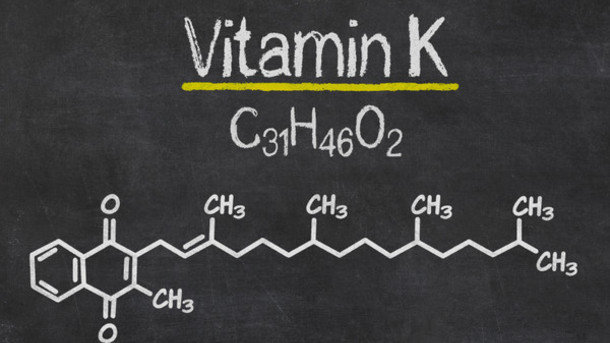
Vitamin K reduces risk of diabetes by improving insulin sensitivity, glucose metabolism

vitamin k
Average intakes of vitamin K in the United States, United Kingdom, Australia and Canada are far less than recommended intakes. A review of scientific literature is highlighting the benefits of vitamin K to help reduce the risk of diabetes by improving insulin sensitivity and glucose metabolism.

What is Vitamin K?

If you've read about vitamins A, B, C, D, and E, you might feel like we've missed a few vitamins as we jump over to vitamin K. It's important to know that vitamin K makes a variety of unique contributions to our health, and our knowledge about these contributions has been expanding in new and unexpected ways.

There are three basic types of vitamin K. Their common names are K1, K2, and K3. K1 is required for green plants to conduct the process of photosynthesis. Phylloquinone, also known as phytonadione, (vitamin K1) is found in green leafy vegetables such as lettuce, broccoli and spinach, and makes up about 90% of the vitamin K in a typical Western diet; and menaquinones (vitamins K2), which make up about 10% of Western vitamin K consumption and can be synthesized in the gut by microflora. The K2 form of vitamin K is made from K1 and K3 by bacteria and other microorganisms. It can also be made in the human body through a conversion process involving K1 and K3.

In plant foods, you won't find much preformed K2, unless those plant foods have been fermented or otherwise transformed by bacteria or other microorganisms. Certain microorganisms can convert K1 into K2.

Comment: Vitamin K2 may be almost as important as Vitamin D with regard to the health of the heart and for bone restoration, yet many people are deficient. Some of the best sources are grass fed animal products, such as egg yolks and butter, as well as certain fermented foods such as natto.


Health

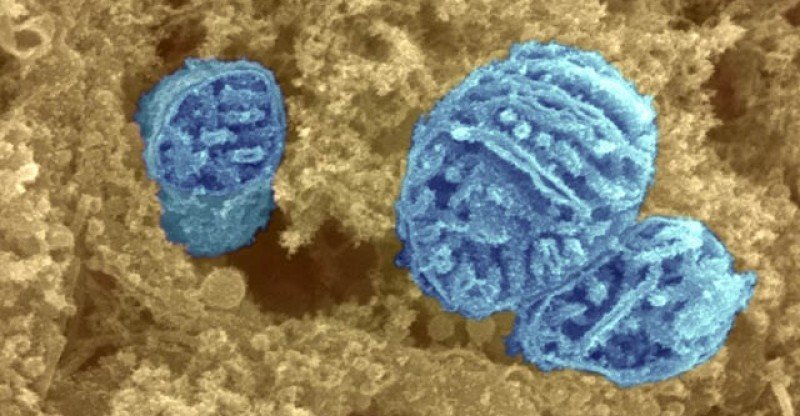
Blood sugar surges alter brain's mitochondria thus limiting the body's ability to regulate glucose

mitochondria
© Dr David Furness, Wellcome Images
The spike in blood sugar levels that can come after a meal is controlled by the brain's neuronal mitochondria, which are considered the "powerhouse of cells," Yale School of Medicine researchers found in a new study. The findings could provide a better understanding of how type 2 diabetes develops.

Blood glucose levels are thought to be primarily controlled by the pancreatic hormone insulin, the liver, and the muscles. This new study, however, highlights a crucial role for mitochondria in a small subset of neurons of the brain in systemic glucose control.

The study was designed to explore how neurons in the brain adapt to the glucose "rush." The researchers were surprised to find that not only do mitochondria of neurons "feel" the change in circulating glucose levels, but that adaptive changes in these same mitochondria are at the core of the body's ability to handle sugar in the blood.

Comment:


Info

Barbara Loe Fisher: Knowledge is the antidote for vaccine orthodoxy

vaccine orthdoxy
© vaccineimpact.com
Humans have experienced two centuries of vaccine orthodoxy. That orthodoxy dictates that we believe vaccination is safe and effective and should be mandated by governments. It began with medical doctors insisting we get one dose of smallpox vaccine, 1 and has exploded over the past century into a U.S. government dictate that every child get 69 doses of 16 vaccines. 2

Vaccine orthodoxy equally applied to every disease, every vaccine and every person, regardless of need or individual susceptibility to harm.

Today, everybody knows somebody who was healthy, got vaccinated and was never healthy again. And when the risks of vaccination turn out to be 100 percent for us or someone we love, the logical course of action is to learn more so we can make sure it doesn't happen again.

Alarm Clock

The age of toxicity: The link between Magnesium, stress & disease

magnesium
Our world is invaded with toxicity, radiation, and synthetic materials thanks to toxic chemicals, pharmaceuticals, vaccinations, GMO foods, and more. And while mainstream media continues to live under the barrage of government-approved laws, labels, and ideals, there is constant research disapproving the safety of so many things occurring in our world.

According to the U.S. Department of Agriculture, 60 percent of adults in the United States aren't getting the estimated average requirement for magnesium. The recommended daily dietary amount of magnesium is a mere 300-400 mg, however, which is far below how much of this precious and paramount mineral people actually require. This means the average American adult is truly starved of it, leading to both malnourishment and disease.

Comment: More information on Magnesium: The Spark of Life:


Syringe

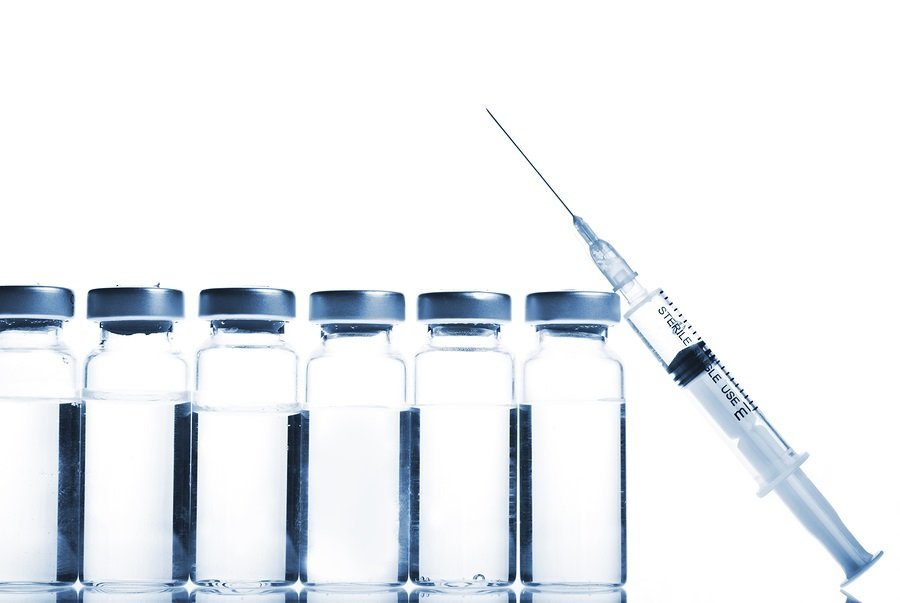
DTaP vaccine: What's really in it?

Dtap
© Stian Berg Larsen
I started down a different road this morning, eager to tell you all about how the polysorbate 80 in the DTaP is causing the rising sunflower seed allergy. Have you ever felt patronized by a vaccine article when the author tried to empathize with how "scary" the ingredients list must look to laypeople? In my research I had to stop and look up so many things that now you're instead being treated to a post about everything in the DTaP vaccine, so feel free to enjoy this as much as humanly possible. All ingredients are taken directly from the CDC excipient list, which is still information I'm shocked is even provided to us.

Pills

More Big Pharma coverup: Anti-depressant use is climbing but so are suicides

suicidal
A suicide epidemic now grips the United States, but that news comes in conjunction with several alarming reports — including underreporting by pharmaceutical companies of the scope of suicides related to antidepressant use, as well as an increase in overdoses by those prescribed anti-anxiety medication.

"An estimated 9.3 million adults (3.9% of the adult U.S. population) reported having suicidal thoughts in the past year," said the Centers for Disease Control and Prevention in their 2015 suicide statistics. In fact, "suicide was the tenth leading cause of death for all ages in 2013."

But the issue isn't constrained to the U.S. A study by the Equality and Human Rights Commission in 2015 found the rate of suicide of British males between the ages of 45 and 49 had risen a dramatic 40 percent in just seven years. Of retired males, or pensioners, the increase in rate of suicides was 10 percent.