Health & WellnessS


Life Preserver

Curcumin may help fight drug-resistant tuberculosis

turmeric, curcumin
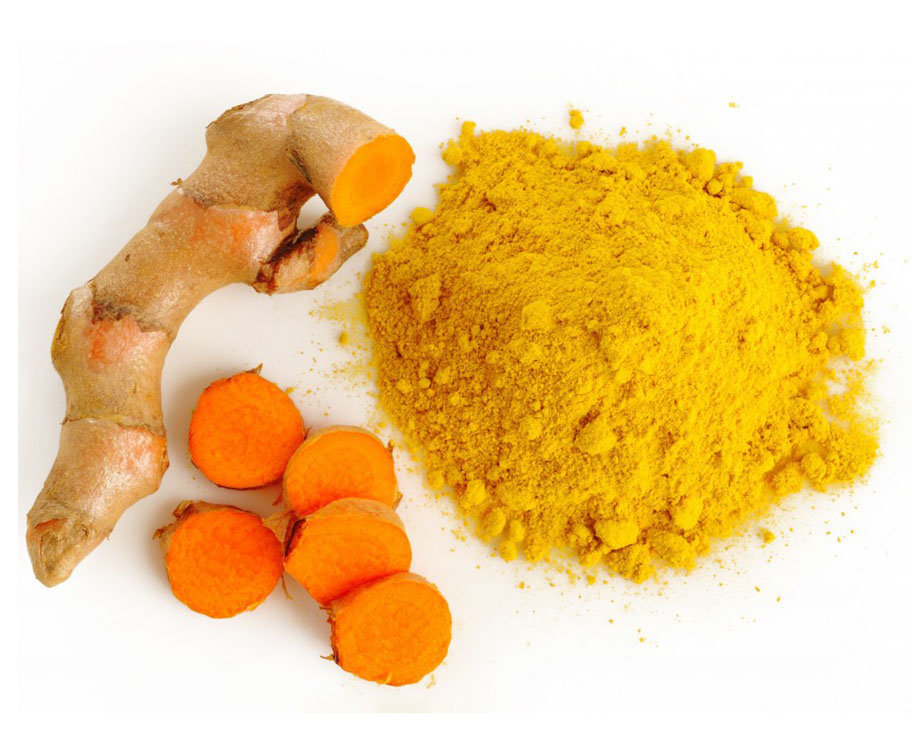
New research indicates that curcumin--a substance in turmeric that is best known as one of the main components of curry powder--may help fight drug-resistant tuberculosis. In Asia, turmeric is used to treat many health conditions and it has anti-inflammatory, antioxidant, and perhaps even anticancer properties.

Investigators found that by stimulating human immune cells called macrophages, curcumin was able to successfully remove Mycobacterium tuberculosis, the causative bacterium of tuberculosis, from experimentally infected cells in culture. The process relied on inhibiting the activation of a cellular molecule called nuclear factor-kappa B.

Comment:
Science confirms Turmeric as effective as 14 Drugs

Turmeric is one of the most thoroughly researched plants in existence today. Its medicinal properties and components (primarily curcumin) have been the subject of over 5600 peer-reviewed and published biomedical studies. In fact, our five-year long research project on this sacred plant has revealed over 600 potential preventive and therapeutic applications, as well as 175 distinct beneficial physiological effects.
For more information on the many benefits of turmeric and curcumin, see:


Bacon n Eggs

Paleo diet on a budget: When does it matter most to buy grass fed?

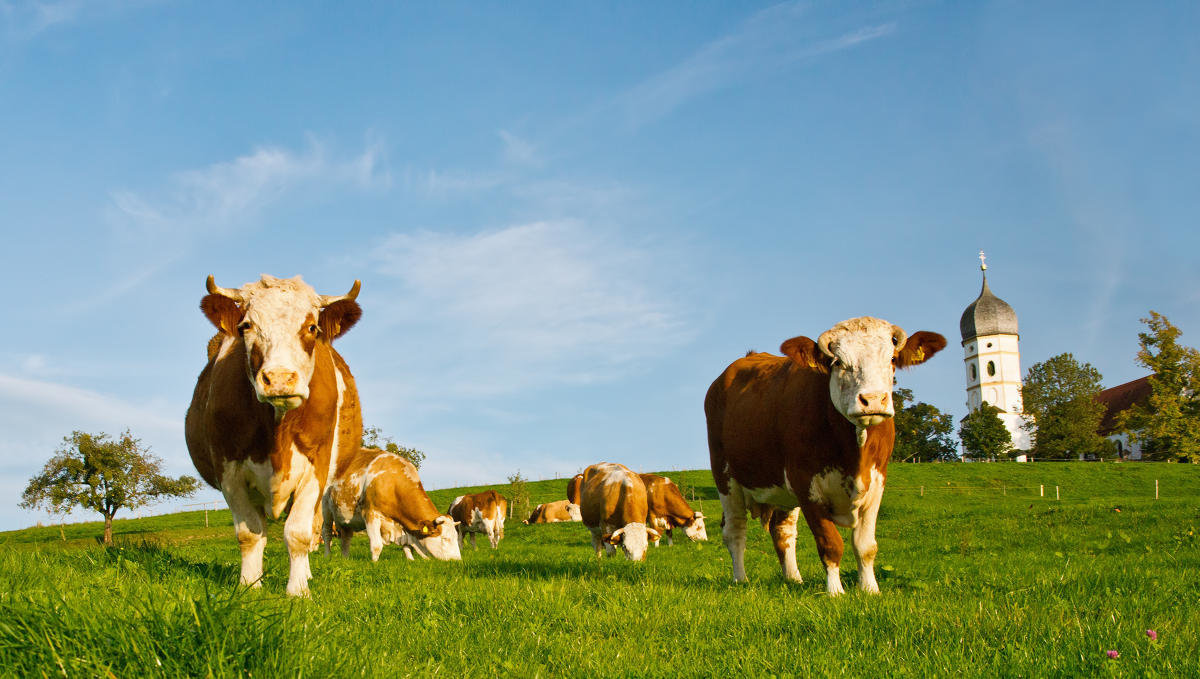
cows grazing on grass
By now, you're convinced of the general overall superiority of grass-fed, pasture-raised meat. If you come at it from the nutrition angle, grass-fed wins across the board. If you're more concerned with the ethics of animal husbandry, grass-fed animals live overall better lives than animals in concentrated feedlots. If you worry about the use of antibiotics in agriculture and the rise of antibiotic-resistant bacteria, grass-fed animals receive less medication (and sometimes none). Whatever your inclination, animals who range free and nibble their biologically appropriate diet of various grasses tend to be happier, healthier, and produce more nutrient-dense meat, milk, and fat. It's objectively "better." Even an honest vegan will admit that.

But the stuff is expensive. I have the luxury of buying and eating solely grass-fed, pasture-raised meat and dairy, but not everyone can. Most folks have to choose. They have to pick their battles. Today's post will help you choose wisely.

When to buy grass-fed/pasture-raised:

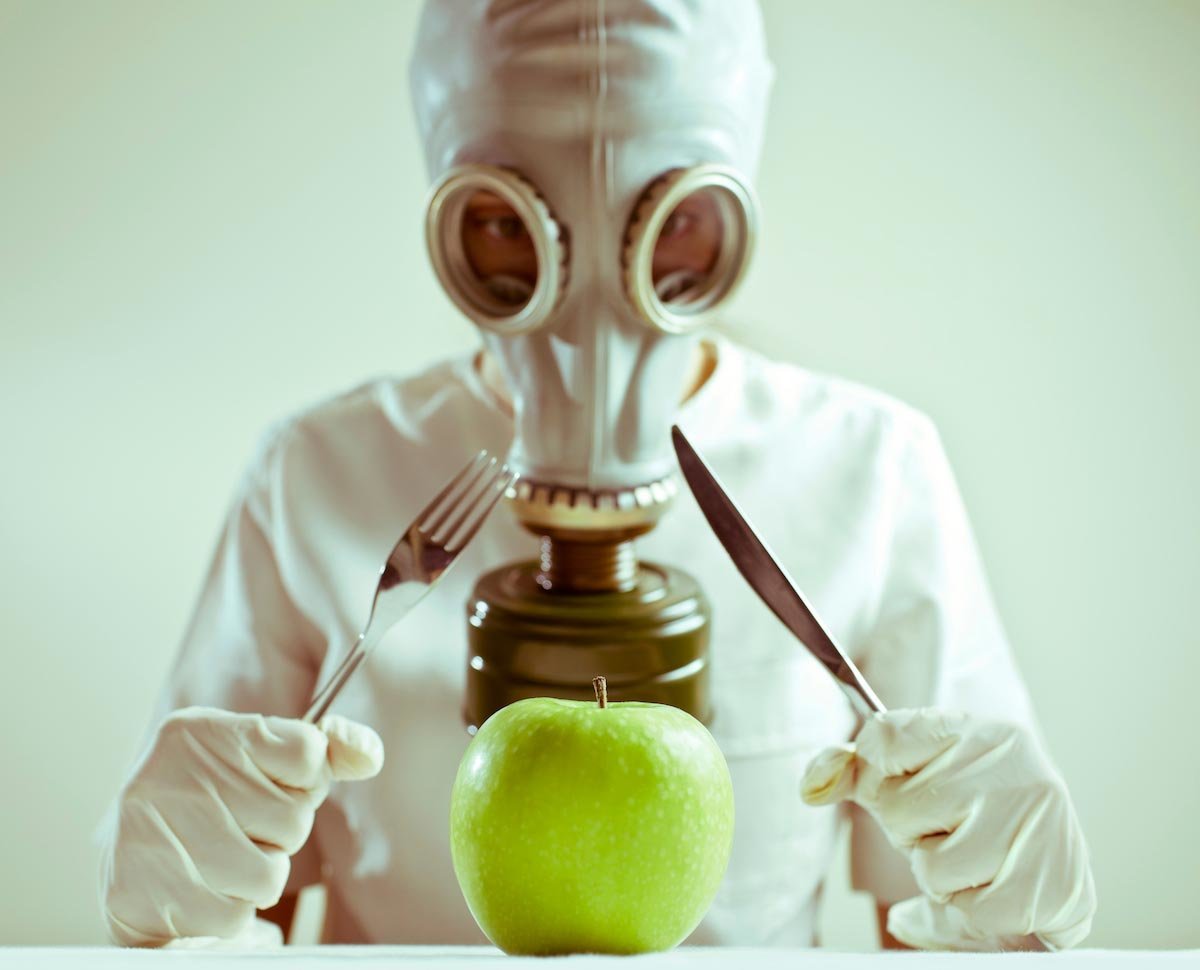
Comment: Another aspect to consider is the variety of toxins that are ingested by, or injected into, factory farmed animals. While these various types of environmental toxins will likely be present in the protein to some degree, for the most part they're present in the fat, so purchasing high quality fat can help one avoid such toxins. So if you're looking to eat healthy on a budget, skimp on the protein and go with a lean cut, then splurge on the fat.


Attention

Nationwide infrastructure decay: Deadly contamination found in water of factory towns

water contamination
US public water infrastructure is woefully dangerous to human health. With the suspected cancer-causing chemical PFOA being phased out in the U.S., it is still very much around, turning up in the water in factory towns across the country - most recently in upstate New York and Vermont - where it is blamed by residents for cancers and other maladies.

Comment: 6.5 million Americans in 27 states drinking water tainted by byproduct of Teflon manufacturing


People 2

Depression is not all in your head

Adapted from A Mind of Your Own by Kelly Brogan, MD
mental illness
Psychiatry: A Very Special Specialty

Psychiatry, unlike other fields of medicine, is based on a highly subjective diagnostic system. Essentially you sit in the office with a physician, and you are labeled based on the doctor's opinion of the symptoms you describe. There are no tests. You can't pee in a cup or give a drop of blood to be analyzed for a substance that definitely indicates "you have depression" much in the way a blood test can tell you that you have diabetes or are anemic.

Psychiatry is infamous for saying "oops!" It has a long history of abusing patients with pseudoscience-driven treatments and has been sullied by its shameful lack of diagnostic rigor. Consider, for example, the 1949 Nobel Prize winner Egas Moniz, a Portuguese neurologist who introduced invasive surgical techniques to treat people with schizophrenia by cutting connections between their prefrontal region and other parts of the brain (i.e., the prefrontal lobotomy). And then we had the Rosenhan experiment in the 1970s, which exposed how difficult it is for a doctor to distinguish between an "insane patient" and a sane patient acting insane. Today's prescription pads for psychotropic drugs are, in my belief, just as harmful and misguided as physically destroying critical brain tissue or labeling people as "psychiatric" when really they are anything but.

Pirates

Monsanto: The world's poster child for corporate deceit & manipulation

Monsanto
At a biotech industry conference in January 1999, a representative from Arthur Anderson, LLP explained how they had helped Monsanto design their strategic plan. First, his team asked Monsanto executives what their ideal future looked like in 15 to 20 years. The executives described a world with 100 percent of all commercial seeds genetically modified and patented. Anderson consultants then worked backwards from that goal, and developed the strategy and tactics to achieve it. They presented Monsanto with the steps and procedures needed to obtain a place of industry dominance in a world in which natural seeds were virtually extinct.

This was a bold new direction for Monsanto, which needed a big change to distance them from a controversial past. As a chemical company, they had polluted the landscape with some of the most poisonous substances ever produced, contaminated virtually every human and animal on earth, and got fined and convicted of deception and wrongdoing. According to a former Monsanto vice president, "We were despised by our customers."

So they redefined themselves as a "life sciences" company, and then proceeded to pollute the landscape with toxic herbicide, contaminate the gene pool for all future generations with genetically modified plants, and get fined and convicted of deception and wrongdoing. Monsanto's chief European spokesman admitted in 1999, "Everybody over here hates us." Now the rest of the world is catching on.

Health

The epigenetics of stress

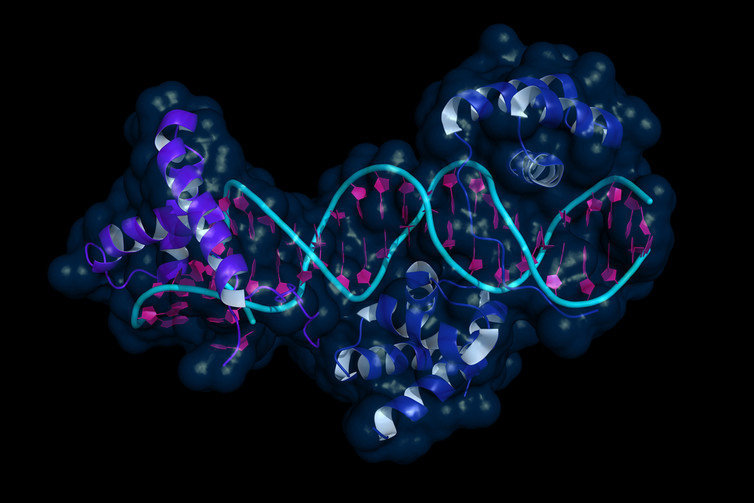
gene
© petarg/ShutterstockAll in the genes?
The Dutch famine of 1944 was a terrible time for many in the Netherlands - with around 4.5m people affected and reliant on soup kitchens after food supplies were stopped from getting into the area by German blockades. As many as 22,000 people were thought to have died, and those who survived would find it extremely difficult to ever fully recover.

The dietary intake of people in affected areas was reduced from a healthy 2000 calories a day to a measly 580 - a quarter of the "normal" food intake. Unsurprisingly, without a balanced diet, children born to mothers who were pregnant during the famine showed a much lower than average birth weight.

But then something strange happened: their children's children had the same low birth weight, despite their mother's "normal" food and calorie intake.

SOTT Logo Radio

SOTT Focus: The Health & Wellness Show: Placebos: When Nothing Really Matters

placebo pill
© Sott.net
Physicians and scientists have known about the placebo effect for well over 50 years. Studies have shown that placebos -- dummy or sugar pills-- are just as effective as medication with active ingredients. Yet the mainstream study of placebos as a first line treatment gets little attention. Today on the Health and Wellness Show we talked about the placebo effect and take it a step further. Do humans have an inner pharmacy that can be tapped into at will? What if you can become your own placebo and experience healing through the power of your mind alone? Can you change your genetic expression through thoughts? And if this is possible, how does it work? Joining us, as always, was Zoya with a pet health segment on placebos and pets.

Running Time: 01:55:39

Download: MP3


Here's the transcript of the show:

Brick Wall

Scandal rocks Big Pharma giant GlaxoSmithKline - firm faces bribery & wrongful death charges

GlaxoSmithKline
© www.opensourcetruth.com
Pharmaceutical companies generally don't have the best track record when it comes to transparency and fair dealings. Extortion, fraud, corruption, harassment, obstruction of justice and hit lists appear to be a "business as usual" model for the industry. It's not only individuals who have been on the receiving end of Big Pharma's harm, entire communities and countries are feeling the effects of their shady conduct as well.

One of the more recent publicized examples of corruption concerns China, where the country fined the UK pharmaceuticals firm GlaxoSmithKline (GSK) a staggering $490m when the company was found guilty of bribery. Meanwhile in Argentina, the company paid out $240,000 after it was found to be experimenting on human beings during vaccine trials, which lead to numerous deaths. Moreover, the firm dumped more that 45 liters of concentrated live polio into the water at a Belgium treatment plant, potentially endangering swimmers and fishermen, along with individuals working at the facility.

Comment: Big Pharma and organized crime — They are more similar than you may think:


Question

Researchers ask,"Is breakfast really the most important meal of the day?"

Typical English breakfast
© AFP
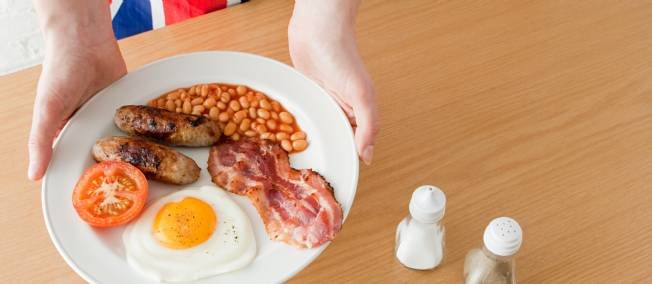
The idea that breakfast is the most important meal of the day has stuck to our collective subconscious like an egg to an unoiled pan. We're told that eating breakfast will make us slimmer, happier and livelier, but have we been swallowing a myth?

The health claims for breakfast are innumerable. It can boost your metabolism, leave you eating more healthily for the rest of the day, plus you'll have more energy and be less likely to put on weight, which is good news for avoiding heart disease and diabetes.

"The problem is that these benefits, although logical sounding, are largely assumptions based on observational studies and had never actually been tested," says James Betts, who studies nutrition and metabolism at the University of Bath, UK. "I was amazed when I started looking for evidence -- I thought there would be a lot," he says. What was out there, though, didn't stand up to scrutiny. So he decided to find out for himself.

Bulb

Psychoneuroimmunology: How your mental health is affected by inflammation

psychoneuroimmunology
© linkedin.comHere is the new connection between mind and health - psychoneuroimmunology (orPNI) which is the study of the interaction between psychological processes and the nervous and immune systems of the human body.
Psychoneuroimmunology. This is what I aim to practice. Medical terms of this length command our respect for the interconnectedness of different subspecialties, for the futile segmentation and compartmentalization of the body into different organ systems.

As discussed in this previous article I wrote for Dr. Mercola, deconstructing the serotonin model of depression, psychiatry is in a crisis. It can no longer stand on its own, throwing more and more medications at its perceived target.

It seems, therefore, fitting that psychiatry would follow the investigative path of other lifestyle-triggered chronic diseases such as cancer, autoimmunity, and heart disease. There already exists a bidirectional relationship between all of the major chronic diseases and psychiatric diagnoses (patients who struggle with chronic diseases are more likely to be depressed and vice versa).

The role of inflammation, across these disease states, is better elucidated each day. Let's deconstruct what is known as it applies to mental health.