

Valued since ancient times as a fiber source for textiles, the hemp industry eventually made it to the US, where it flourished in the mid-1800s, through World War I and again briefly during World War II, when the war cut off supplies of fiber.2
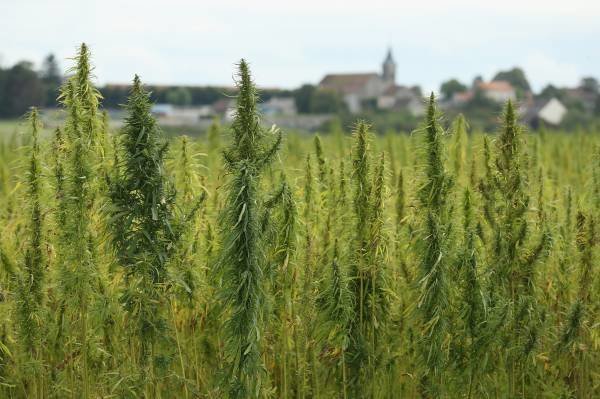
In the US, the cultivation of hemp has been banned since the 1970s when the federal Controlled Substances Act took effect. The law doesn't distinguish between marijuana, the drug, and hemp, the plant, despite major scientific differences.
Ironically, the US is the world's largest consumer of hemp products, yet is the only industrialized country that also outlaws its production. As a result, all US hemp products - a more than $600-million market in the US - are imported.3 As noted in "Hemp: A New Crop with New Uses for North America:"4
"Cannabis sativa [hemp] is extremely unusual in the diversity of products for which it is or can be cultivated. Popular Mechanics magazine (1938) touted hemp as 'the new billion dollar crop,' stating that it 'can be used to produce more than 25,000 products, ranging from dynamite to Cellophane.'"


















Comment: Read Ellen Brown's take on the 2 part series on the ongoing war on weed: