Health & WellnessS


Question

Cyber pornography: What is it doing to adolescents?

cyber porn
I recall high-school days as most of us girls do - tolerating the wayward glances of boys who were taught by our culture that a woman's worth, along with his own, was measured simply by the amount of sex he could procure for himself.

Then later, as I "blossomed," I was the subject of rude rumors about my sexual promiscuity, before I'd even lost my virginity. My budding sexuality, like so many other young women's, was cut abruptly short by lewd comments, grabbed flesh in a hallway, and what would today be called sexual harassment by boys who were barely old enough to know where a clitoris was, let alone my "back entrance." This all happened before I ever had my first kiss; however, today's adolescents are dealing with a whole different level of sexual abuse, and it's causing permanent physical and emotional damage. You can attribute this to the cyber-world of pseudo-sex, or pornography.

Comment: Additional information about porn and it's negative effects:
This presentation is not an argument against pornography. It was created for anyone who has a porn addiction, or wants to understand pornography addiction.

Science teacher Gary Wilson explains the evolutionary forces behind porn's appeal, how the brain changes in response to super-normal stimulation, what makes today's porn different from static porn of the past, and what you need to know to regain your sense of direction if you're hooked on porn.


Smoking

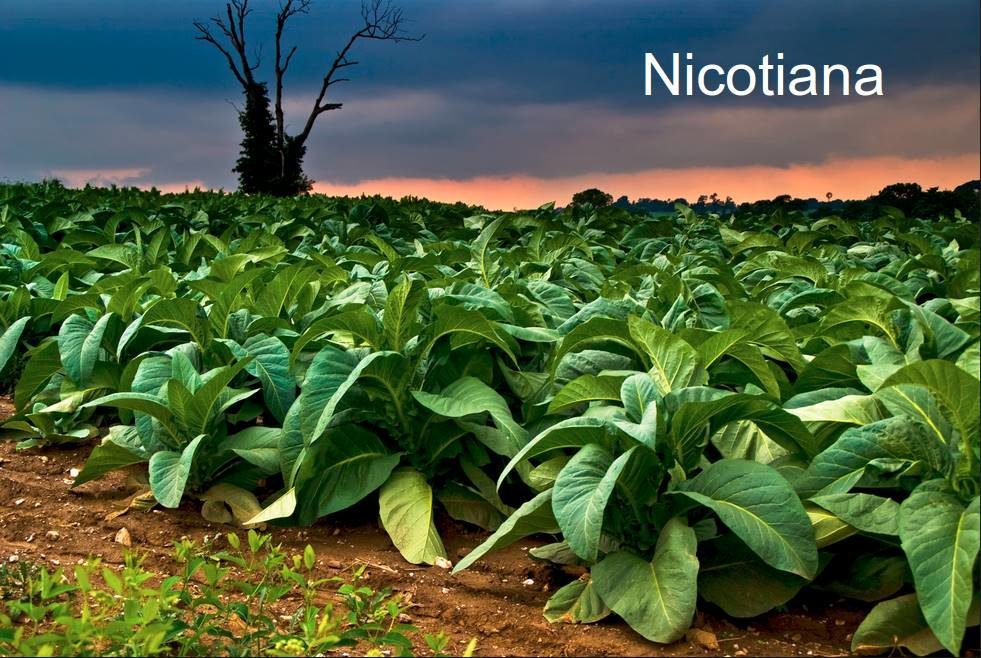
Tobacco - Smokin' the propaganda peddlers

tobacco plants
So, it came to a point in time when I decided, as a researcher & a smoker, to find out about the horrors of tobacco. I figured I would scare the crap out of myself with the cold, hard facts about my awful vice, and have no other reason but to give up & live happily ever after.

I secretly hoped there was a conspiracy at play, and that the true amount of damage the evil weed was inflicting was, some how, not as bad as I'd been told my whole life. What I ended up finding was a rabbit hole of hidden studies, skewed statistics and out right fraud, leaving me with the resolute determination not to give up any time soon.

Let me clarify this from the beginning, I'm not talking about your branded packet cigarette here, I am talking about rolling tobacco, as pure as you can obtain & preferably home grown. So, from my research, it turns out there could be a very plausible reason why the Establishment does not want us to have access to mind altering substances such as nicotine and cannabinoids ....

Biohazard

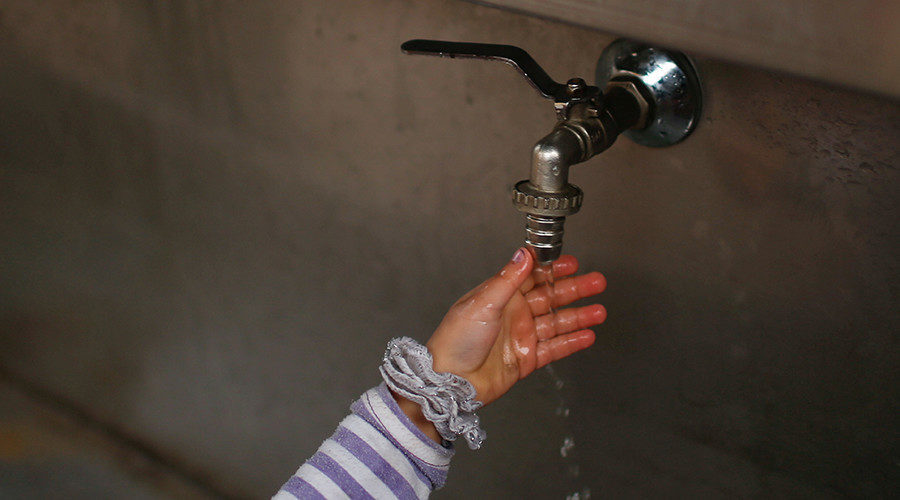
Cancer-causing agents found in most tap water across US - study

Water
© Mohammed Salem / Reuters
Tap water from 48,000 public water utilities was found to contain multiple cancer-causing agents from arsenic, dioxane, chromium 6 to nitrates, according to researcher with the Environmental Working Group.

Researchers published the findings of their five year study in an online database, searchable by zip code or a local utility's name, with findings on tap water in public water systems in all 50 states.

A search under the New York City zip code 10017 and found tap water contaminated with over 10 cancer causing chemical including Bromodichloromethane, chloroform, chromium, dichloroacetic acid, dioxane and strontium, among others.

The chemicals can come from agricultural runoff, industry, treatment byproducts, or be naturally occurring.

Comment: See also: 1,2,3 TCP a cancer-causing chemical plagues California drinking water


Health

Dengue fever outbreak passes 100,000 cases in Sri Lanka

Worker fogging for mosquitos in Sri Lanka
© ISHARA S. KODIKARA/AFP/GETTY IMAGESA worker fogs a neighborhood on the outskirts of Colombo in Sri Lanka in an effort to ward off mosquitoes. The country is facing an outbreak of dengue fever, a mosquito-borne disease.
Sri Lanka celebrated its eradication of malaria last year. But now the country faces another mosquito-borne illness: dengue fever. It's also sometimes known as "breakbone fever" because of the severe pain it can cause.

A dengue outbreak has left some Sri Lankan hospitals so full that they're turning away patients, says Gerhard Tauscher, an operations manager with the International Federation of Red Cross and Red Crescent Societies. He is based in Colombo, the capital of Sri Lanka.

More than 107,000 suspected cases of dengue have been reported so far this year, according to Sri Lanka's ministry of health.

That's almost twice the number of people diagnosed with dengue in Sri Lanka last year. The death toll from this outbreak is about 300 people, the IFRC says.

Attention

Slaves to screens: The iPad is a far bigger threat to our children than anyone realizes

ipad baby
Ten years ago, psychologist Sue Palmer predicted the toxic effects of social media. Now she sees a worrying new danger...

When the little girl pointed at the sweets at the checkout, her mother said: 'No, they're bad for your teeth.' So her daughter, who was no more than two, did what small children often do at such times. She threw a tantrum.

What happened next horrified me. The embarrassed mother found her iPad in her bag and thrust it into her daughter's hands. Peace was restored immediately.

Comment: Many of the concerns raised by the author in this article are addressed by Dr. Nicholas Karadaras in the following interview: The Health & Wellness Show: Digital 'pharmakeia': Glow kids, screen addiction, gaming and the hijacking of children's brains


Attention

1,2,3 TCP a cancer-causing chemical plagues California drinking water

123 TCP
© ACLU of Northern California
In the Central Valley of California, hundreds of wells that provide water to a million people are tainted with a chemical that some experts say is one of the most powerful cancer-causing agents in the world.

The state is poised to take the first step Tuesday to regulate the substance - called 1,2,3, TCP - but test data compiled by an activist group show it's also been detected by utilities across the country.

Some who live in this lush farmland believe it's to blame for the health problems of their family members and neighbors.

Comment: Also read - Erin Brockovich on the future of water - distilling toxins for truth


Cupcake Pink

Too much sugar could increase mental health risk in men, study suggests

Sugar and depression
© Jamie Grill Photography/Getty Images/Tetra images RFMen with the highest intake of sugar had a 23% increased chance of suffering a common mental disorder after five years, the study found.
Men who consume a lot of added sugar in drinks, cakes and confectionery run an increased risk of depression, according to a new study.

Researchers from University College London (UCL) looked at sugar in the diet and common mental health problems in a very large cohort of 5,000 men and 2,000 women recruited for the Whitehall II study in the 1980s.

They found a strong association between consuming higher levels of sugar and depression in men. Men with the highest intake - more than 67g a day - had a 23% increased chance of suffering a common mental disorder after five years than those who consumed the lowest levels of sugar - less than 39.5g.

The researchers investigated whether men might be eating more sugary foods because they were depressed, but found that was not the case.

Comment: See also: Diseases of civilization: The case against sugar


Attention

5 suicides at prestigious university in Britain raise fears of student mental health crisis

UK student
© Sputnik
Following the suicide of five students in one academic year at Bristol University, southwest England, a suicide prevention charity is urging freshers to look out for each other as they embark on their first semesters.

The deaths at Bristol, one of the most prestigious universities in Britain, have renewed concerns about a crisis in student mental health and the capacity of universities to respond.

PAPYRUS, a charity dedicated to the prevention of young suicide in the UK, runs a helpline for young people having suicidal thoughts.

The charity says it often receives calls from first-year students struggling to adjust to their new environment. Many have moved away from home, leaving support networks, and are struggling with additional pressures of living independently for the first time, it says.

Comment: See also:


Cookies

Why it's hard to cut the carbs

carbs
I've been eating a high-fat, carb-restricted diet for almost 20 years, since I started as an experiment when investigating nutrition research for the journal Science. I find it's easy for me to maintain a healthy weight when I eat this way. But even after two decades, the sensation of being on the edge of a slippery slope is ever-present.

The holidays and family vacations are a particular problem. Desserts and sweets, it seems, will appear after every lunch and dinner, and I'm not particularly good at saying no when everyone else is partaking. The more sweets I eat, the more we eat as a family, the longer it takes upon returning home before that expectation of a daily treat fades away.

What I've realized is that eating a little of a tasty dessert or a little pasta or bread fails to satisfy me. Rather it ignites a fierce craving for more, to eat it all and then some. I find it easier to avoid sugar, grains and starches entirely, rather than to try to eat them in moderation. The question is why.

To begin to answer that question requires understanding that researchers are generally divided not only on what causes obesity, but also why we have cravings and often fail to stay on diets.

Comment:


SOTT Logo Radio

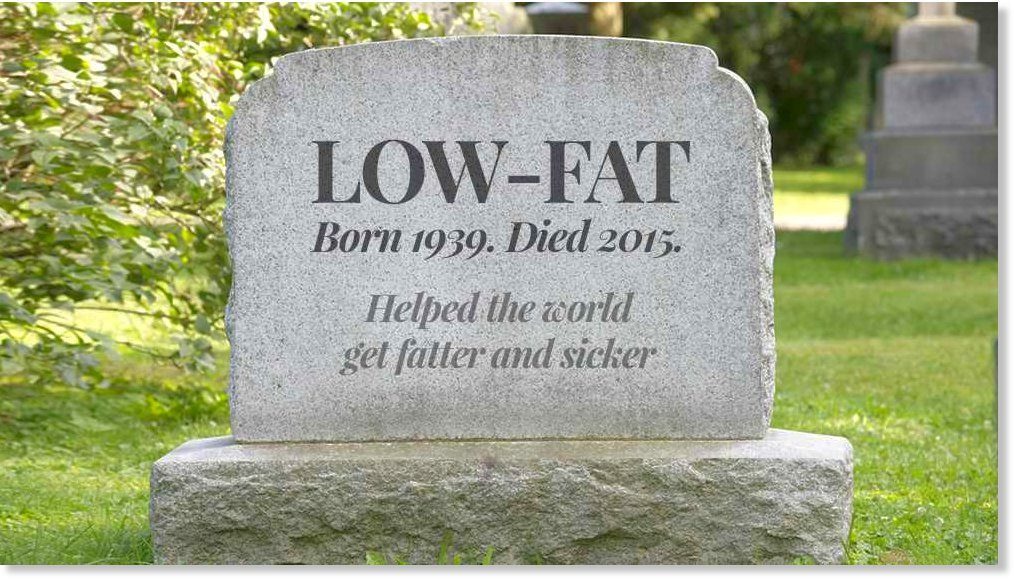
SOTT Focus: The Health & Wellness Show: Connecting The Dots - Big Food, Big Pharma and Big Disease

low fat saturated fat
On this episode of the Health and Wellness show we will Connect the Dots in health news over the last couple of months. Big food is back in the news with their ridiculous recommendations about 'healthy dietary fats'. The Presidential advisory panel sponsored by the American Heart Association has once again displayed their blatant conflicts of interest, cherry picked data and misguided science when it come to recommendations for a 'healthy diet'. Big food profits drive the funding, publication and discussion of organizations like the AHA while researchers, authors, cardiologists and consumers are left wondering what is going on?

We cannot address Big Food without looking at the connections between Big Pharma and Big Disease. If 'food is information' as science has been suggesting how does lifestyle, diet and environmental factors contribute to our overall health? Join us for yet another lively discussion about food, Big Pharma drugs and the growing epidemic of disease.

As always added in the mix is Zoya's pet health segment!

Running Time: 01:26:46

Download: MP3