Health & WellnessS


Brain

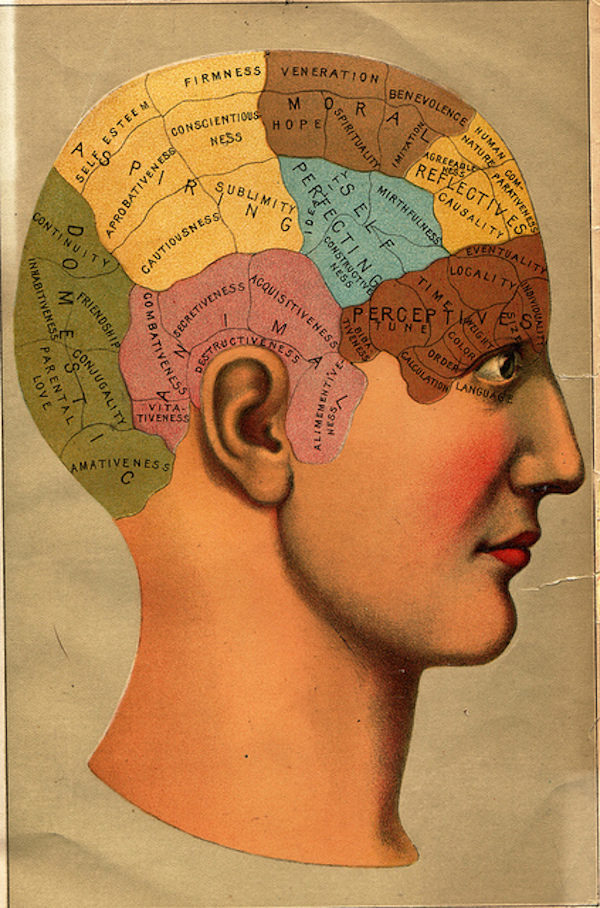
Toxins in the brain and the benefits of essential oils

brain
© Ky/Flickr
Just like other organs in the body, the brain needs to regularly purge toxins, such as viruses and heavy metals.

It is during our hours of sleep that our brain can unplug and detoxify, as it is constantly busy and engaged during our waking hours.

While we sleep, the metabolic activity of our brain is about 10 times more active.

The cerebrospinal fluid moves quickly across the brain tissue in a sweeping motion around the neurons, removing toxins and delivering oxygen and nutrients, and then exits along the veins. Research shows that the neurons in the brain actually shrink by about 60 percent to make room for this cerebrospinal fluid to move through our brain.

Comment: Essential oils and brain injuries - What you are not being told
Frankincense is the Essential Oil of choice for any kind of brain disorder. Frankincense has a molecular makeup that includes sesquiterpenes, that is able to cross the blood/brain barrier. These sesquiterpenes stimulate the limbic system of the brain and other glands within the brain, promoting memory and releasing emotions. Frankincense slows down and deepens the breath.


Health

Staring at endless pictures of food and other weight loss tips

food picture
Some of these tips on weight loss and comfort food, exercise, the emotions and more might surprise you.

1. Look at loads of pictures of food

It's the most unlikely weight-loss trick ever: looking at endless pictures of foods can make them less enjoyable to eat, a recent study has found.

While a few photos might enhance the appetite, contrary to what you'd expect, people are actually put off the taste by looking at loads of pictures of food.

Eye 1

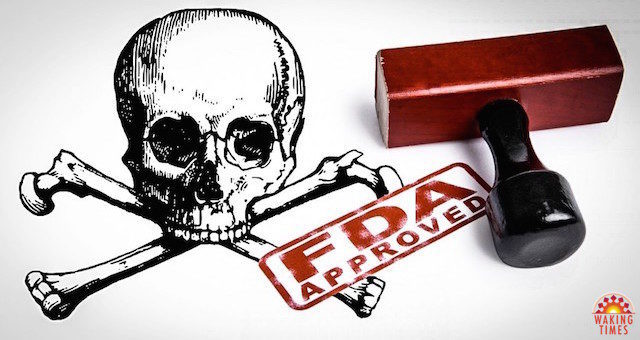
Beware: US regulators approve first digital pill to track patients

fda poison
U.S. regulators have approved the first drug with a sensor that can track whether patients have taken their medicine.

The Abilify pill was first approved by the Food and Drug Administration in 2002 to treat schizophrenia, and the sensor technology was approved for marketing in 2012. The FDA said in a statement Monday that the digitally-enhanced medication "works by sending a message from the pill's sensor to a wearable patch."

"Being able to track ingestion of medications prescribed for illness may be useful for some patients," Dr. Mitchell Mathis of the FDA said in statement. "The FDA supports the development and use of new technology in prescription drugs and is committed to working with companies to understand how this technology might benefit patients and prescribers."

Abilify MyCite was developed by Otsuka Pharmaceutical Co. and the sensor was created by Proteus Digital Health.

Greenlighting the new digital version, however, came with some caveats. While the system can track doses, it hasn't been shown to improve patient compliance, the FDA said.

Comment: As Dr. Carolyn Dean wrote in one of her latest email newsletters:
What will appeal to the Millennial Generation is the fact that they will be able to track their drug dosage on smartphones. Having grown up with 24/7 surveillance, they might not even mind their doctor and government knowing their vital statistics. But if there is electronic data, it can be hacked by anyone or used against them in some nefarious way.

Bottom line, allopathic Big Brother is following chipped drugs to make sure people are taking them. However according to the above article "The pill has not yet been shown to actually improve patients' medication compliance." So, how will doctors force compliance, what will be the punishment if patients don't comply? Arthur Caplan, a medical ethicist at NYU asks. "Is the doctor going to start yelling at me? Am I going to get a big accusatory speech?" Or will the chip have an additional app that will shock a person when they are supposed to take their next pill - and keep on shocking them until they do?

James Giordano, a professor of neurology at Georgetown University Medical Center was asked, "'Could this type of device be used for real-time surveillance? The answer is of course it could."

And what exactly is being so cavalierly injected into our bodies? What are the health effects of having sensors that are triggered by electromagnetics! Where do they end up? The possible pitfalls are staggering. But also staggering is the fact that we have no way of preventing this technology from being implemented - the FDA has already sanctioned it!
See also:


Syringe

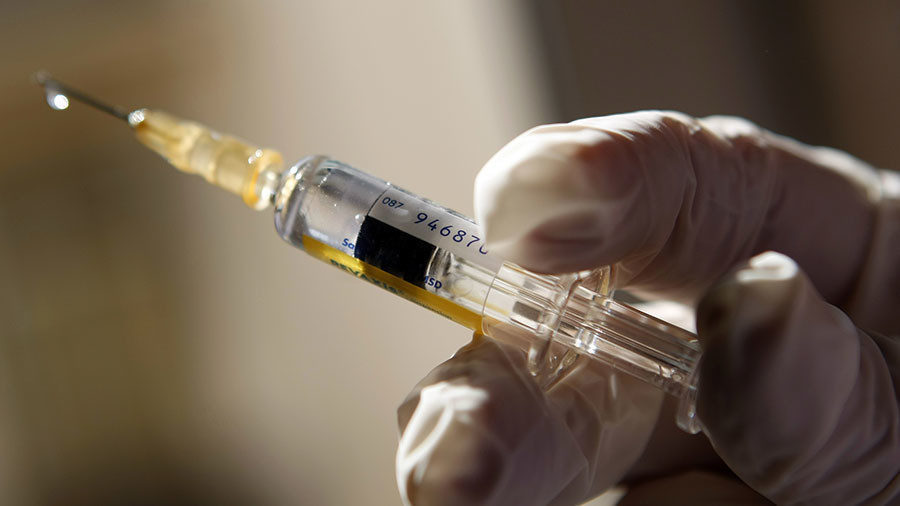
Flashback Small victories: Vaccine victims are rising up against Big Pharma

Herpes vaccine
© Eric Gaillard / Reuters
The 2009 swine flu panic has prompted more than 60 million people to get vaccinated against the disease. Unfortunately, thanks to the damaging effects of the vaccine, countless numbers of individuals have now developed a range of health problems, including sleep disturbances, memory impairments and even brain damage!

Pharma corporations, of course, are always quick to deny allegations against the damaging effects of vaccines. Last year, however, Big Pharma's protective cloak seemed to have slipped quite a bit, as pharmaceutical giant GlaxoSmithKline (GSK), the manufacturer of the swine flu vaccine Pandemrix, was ordered to pay about $60 million in damages to the UK government after it was determined that Pandemrix played a significant role in causing brain damage to several individuals.


"There's no doubt in my mind whatsoever that Pandemrix increased the occurrence of narcolepsy onset in children in some countries - and probably in most countries," says Emmanuelle Mignot, a sleep disorder specialist from Stanford University.

Syringe

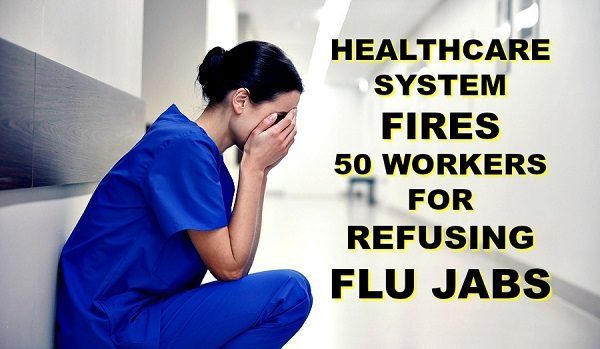
Fifty workers fired from healthcare system for refusing flu shot

Workers fired
And so it begins... A healthcare system has literally fired 50 employees - in one fell swoop - over a draconian flu jab policy.

They can't fire us all if we stand up, right? That might be the inner wishful thinking of those who refuse vaccinations while working in the healthcare system.

But as WGN9 reports:
A Minnesota-based health system has fired about 50 employees who refused to get a flu shot.

Essentia Health announced last month that employees would be required to get vaccinated for influenza unless they received a religious or medical exemption.

SOTT Logo Radio

SOTT Focus: The Health & Wellness Show: Evil Brainz: Biology and Crime

MRI head scan
© APSTOCK
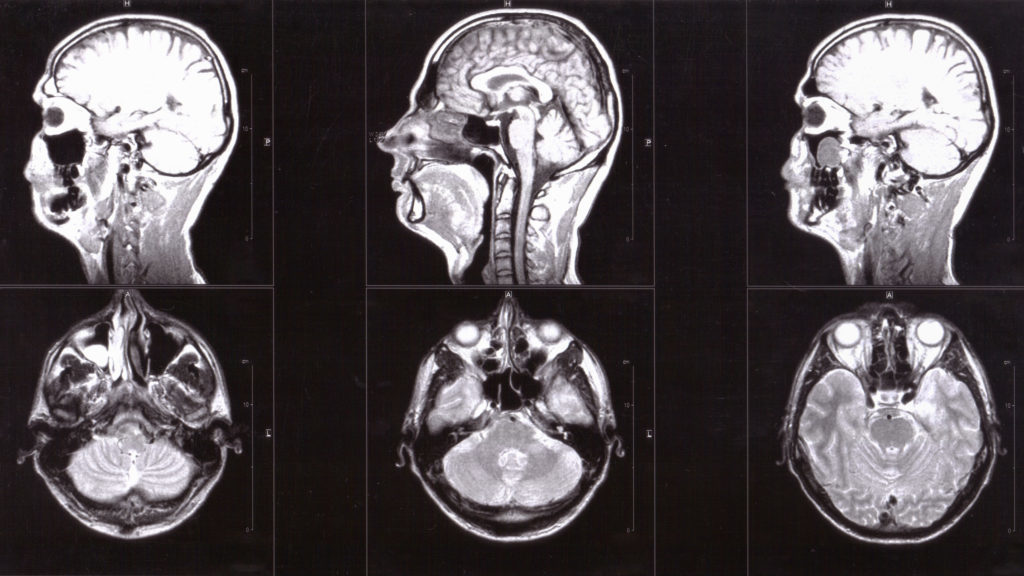
Murderers, fiends, offenders, crooks, abusers -- criminals and criminal behavior have always been a part of the human landscape. The reasons for their behavior have stumped the best minds on the planet and there is no surefire way to identify who will become a scourge of humanity and who will become an upright citizen. Nature vs nurture has been an ongoing debate in the social sciences with nurture -- as it does offer some glimmer of hope -- often winning out. However, new research points out that we are relying too much on a sociological viewpoint to explain crime and violence. Biology plays in important role too, and in some cases genetic inheritance is the only explanation that makes sense.

Join us on this episode of The Health and Wellness Show where we discuss the genetic and evolutionary aspects of antisocial behavior and attempt to answer the question: Are some people born to be bad? And stay tuned for Zoya's Pet Health Segment, where she discusses how to pet your cat without suddenly getting scratched or bitten!

Running Time: 01:25:46

Download: MP3


Laptop

Study: Children's screen time should be limited, linked to obesity

Parents should limit children's screentime to 90 mins a day to prevent obesity, says study
Children who spend prolonged periods of time using technology are more prone to obesity, a new study suggests.

A group of child health specialists have found "a strong link" between rising child obesity levels and frequent exposure to social media.

In light of their findings, they are warning parents to take action by limiting their children's screentime to 90 minutes a day.

"Parents should limit TV viewing and the use of computers and similar devices to no more than 1.5 hours a day and only if the child is older than four years of age," advises lead author Dr Adamos Hadjipanayis.

Coffee

Magic beans: Coffee can help prevent cancer and diseases - review of over 200 hundred studies says

Coffee cup and beans
© Andreas Franke/ Global Look Press
One of your major vices, coffee, is not as bad for you as previously thought. A review of more than 200 studies on coffee consumption claims a good cup of joe is not only safe, but also has a range of other benefits.

If consumed in moderation, coffee not only gives you an energy boost, but is also perfectly safe, according to researchers from the University of Southampton. The study also found that three or four cups a day may lower the chance of developing liver disease; prostate, endometrial, skin and liver cancer; as well as leukemia.

The research, published Wednesday in the British Medical Journal (BMJ), claims coffee drinkers on about three cups a day also reduce the risks of developing or dying from heart disease.

Health

Obesity paradox: Why some obese people are healthier than those who break down fat at a high rate

obese without insulin resistance
© Prazis / FotoliaMost obese people develop insulin resistance, which can lead to type 2 diabetes and other chronic diseases. However, Horowitz and his team found that about one-third of the 30 obese adults in their study did not develop insulin resistance.
One little understood paradox in the study of obesity is that overweight people who break down fat at a high rate are less healthy than peers who store their fat more effectively.

That's because when fat breaks down, many of the fatty acids released from the adipose tissue (body fat) can take up residence elsewhere. Too much of this and fat can accumulate to harmful levels in other tissues and organs, which can fuel insulin resistance, a hallmark of type 2 diabetes and heart disease.

A pair of studies from the University of Michigan identifies key characteristics in fat tissue that may allow some obese adults to store their body fat more healthily and suggests that aerobic exercise may lead to healthier fat storage, said principal investigator Jeffrey Horowitz, professor of movement science at the U-M School of Kinesiology.

Comment: More food for thought:


Pills

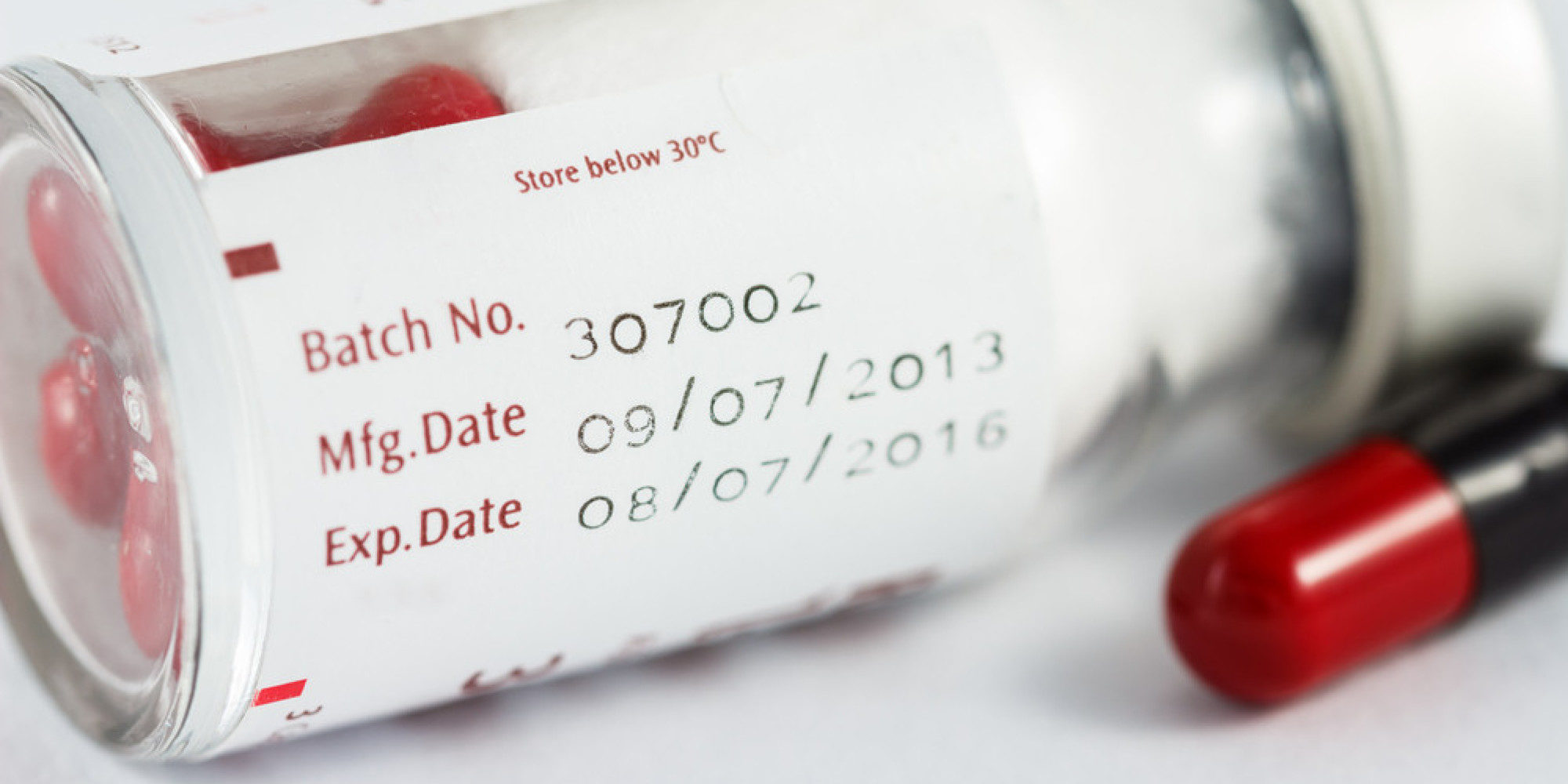
What expiration dates on medications really mean: Most drugs aren't dangerous after they 'expire' and in fact retain their potency for years

medicine expiration dates
In 1979, the U.S. Food and Drug Administration (FDA) required drug companies to publish expiration dates on the drugs they produce. Prior to that, after drugs were sold, people used them until they felt it was time to dispose of them. As you're likely well aware, I'm not a fan of using prescriptions drugs for just about any reason.

However, we are each on our own journey to health and it may be that you are transitioning from using prescription medication to manage health conditions, to providing your body with the nutrition, sleep, water and exercise needed to help you regain your health.

Prescription drugs typically have an expiration date between one and five years, depending on the drug. If you are like most people, you'd think twice before taking a medication past the expiration date, as it may have either lost potency (no longer work) or may be harmful to your health. This medication turnover is costly, to you, hospitals, pharmacies and the U.S. military - often costing millions of dollars each year.

In a study published in the Journal of the American Medical Association,1 researchers analyzed the potency of medications found in their original packages and unopened for nearly 30 years. It's important to remember these drugs were found in a pharmacy, stored away from heat and light, and in a cool, dry environment.