Health & WellnessS


Attention

Girls Hit Puberty Earlier than Ever, and Doctors Aren't Sure Why

Image
Precocious Puberty
Claudia and Joe's baby girl has been racing to grow up, almost from the moment she was born. Laila sat up on her own at 5 months old and began talking at 7 months and walking by 8½ months.

"All of our friends told us to cherish every moment," Claudia says. "When I started planning her first birthday party, I remember crying and wondering where the time had gone."

Even so, Laila's parents never expected their baby to hit puberty at age 6.

They first noticed something different when Laila was 3, and she began to produce the sort of body odor normally associated with adults. Three years later, she grew pubic hair. By age 7, Laila was developing breasts.

Without medical treatment, doctors warned, Laila could begin menstruating by age 8 - an age when many kids are still trying to master a two-wheeler. Laila's parents, from the Los Angeles area, asked USA TODAY not to publish their last name to protect their daughter's privacy.

Doctors say Laila's story is increasingly familiar at a time when girls are maturing faster than ever and, for reasons doctors don't completely understand, hitting puberty younger than any generation in history.

Bad Guys

US: Chicago school bans homemade lunches, the latest in national food fight

school lunch
© Unknown

Students who attend Chicago's Little Village Academy public school get nothing but nutritional tough love during their lunch period each day. The students can either eat the cafeteria food--or go hungry. Only students with allergies are allowed to bring a homemade lunch to school, the Chicago Tribune reports.

"Nutrition wise, it is better for the children to eat at the school," principal Elsa Carmona told the paper of the years-old policy. "It's about ... the excellent quality food that they are able to serve (in the lunchroom). It's milk versus a Coke."

But students said they would rather bring their own lunch to school in the time-honored tradition of the brown paper bag. "They're afraid that we'll all bring in greasy food instead of healthy food and it won't be as good as what they give us at school," student Yesenia Gutierrez told the paper. "It's really lame."

Family

Bt toxin found in blood of pregnant women and fetuses

Image

Extract: CryAb1 toxin [was] detected in [pregnant women], their fetuses and [non-pregnant women]. This is the first study to reveal the presence of circulating [pesticides associated to genetically modified foods] in women with and without pregnancy, paving the way for a new field in reproductive toxicology including nutrition and utero-placental toxicities.

Note: Bt corn (maize) was developed by transferring cry1Ab from Bacillus thuringiensis (Bt) into corn. It is to be found in the most common GM corn - Monsanto's Bt MON810 (marketed with the trade name YieldGard) - a corn genetically engineered to resist corn borers by producing its own insecticide, the Cry1Ab toxin. Global production of Bt corn takes place on many millions of hectares worldwide and many different types of foods contain Bt corn. In the European Union, seven countries - Austria, Hungary, Greece, France, Luxembourg, Germany and Bulgaria have banned Mon810.

Bizarro Earth

There is no 'safe' exposure to radiation

Image
© ABC News
Radiation from Japan is now detectable in the atmosphere, rain water and food chain in North America. Fukushima reactors are still out of control and hold 10 times more nuclear fuel than there was at Chernobyl, thousands of times more than the bomb dropped on Hiroshima. The official refrain is, "No worries here, perfectly harmless." Our best scientists of the previous century would be rolling over in their graves.

In the 1940s many of the world's premier nuclear scientists saw mounting evidence that there was no safe level of exposure to nuclear radiation. This led Robert Oppenheimer, the father of the atom bomb, to oppose development of the hydrogen bomb.

In the 1950s, Linus Pauling, the only two-time winner of the Nobel Prize, began warning the public about exposure to all radiation. This opinion, ultimately endorsed by thousands of scientists worldwide, led President John F. Kennedy to sign the nuclear test ban treaty.

In the 1960s, Drs. John Gofman, Arthur Tamplin, Alice Stewart, Thomas Mancuso and Karl Morgan, all researchers for the Atomic Energy Commission or the Department of Energy, independently came to the conclusion that exposure to nuclear radiation was not safe at any level.

Eye 1

High radiation levels found beyond 30-km radius

Image
© Shingo KuzutaniIitate residents undergo radiation checks while evacuating from their homes in Fukushima Prefecture.

A study of soil samples has revealed that as much as 400 times the normal levels of radiation could remain in communities beyond a 30-kilometer radius from the Fukushima No. 1 nuclear power plant, where explosions spewed radioactive materials into the atmosphere.

The study was conducted by a team of experts from Kyoto University and Hiroshima University.

According to the study, the accumulated amount of radiation in the soil at Iitate, Fukushima Prefecture--which is located outside of the 30-km radius--calculated over a three-month period would exceed the annual accumulated amount of 20 millisieverts that the central government is considering as a guideline for evacuating residents.

Evil Rays

EPA: New Radiation Highs in Little Rock Milk, Philadelphia Drinking Water

Image

Milk from Little Rock and drinking water from Philadelphia contained the highest levels of Iodine-131 from Japan yet detected by the Environmental Protection Agency, according to data released by EPA Saturday.

The Philadelphia sample is below the EPA's maximum contaminant level (MCL) for iodine-131, but the Little Rock sample is almost three times higher.

Nonetheless, the EPA does not consider the milk dangerous because the MCL is set for long-term exposure, and the iodine-131 from Japan's Fukushima-Daichi nuclear accident is expected to be temporary and deteriorate rapidly.

Cow

Radiation Detected In Drinking Water In 13 More US Cities, Cesium-137 In Vermont Milk

cow
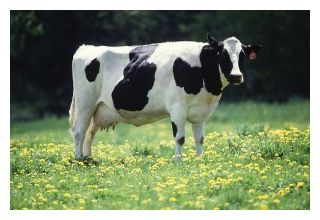
© Royalty-free image collection via flickrRadiation has reached the EPA's maximum contaminant level in some milk samples.

Radiation from Japan has been detected in drinking water in 13 more American cities, and cesium-137 has been found in American milk - in Montpelier, Vermont - for the first time since the Japan nuclear disaster began, according to data released by the Environmental Protection Agency late Friday.

Milk samples from Phoenix and Los Angeles contained iodine-131 at levels roughly equal to the maximum contaminant level permitted by EPA, the data shows. The Phoenix sample contained 3.2 picoCuries per liter of iodine-131. The Los Angeles sample contained 2.9. The EPA maximum contaminant level is 3.0, but this is a conservative standard designed to minimize exposure over a lifetime, so EPA does not consider these levels to pose a health threat.

The cesium-137 found in milk in Vermont is the first cesium detected in milk since the Fukushima-Daichi nuclear accident occurred last month. The sample contained 1.9 picoCuries per liter of cesium-137, which falls under the same 3.0 standard.

People

Experts warn of Sussex skin cancer epidemic

Image

Two people under 35 are diagnosed with skin cancer across Sussex every seven days.

Experts, who have warned people to cover up as the county warms up this week, said skin cancer cases have doubled in the last decade.

Medics say it is difficult to pinpoint the reason for the increase but believe it is a combination of sunbed use, too much exposure to sun as a child and failure to take the right precautions.

Health

Asthma likely to increase if Clean Air Act derailed

Image

What will happen to the asthma "epidemic" in Michigan and related fast-rising health care costs if Congress decides to block updates to the Clean Air Act?

Three registered nurses addressed those questions during a press conference Wednesday.

In a major, first-ever report released in part by Health Care Without Harm, analyses detailed asthma incidents and cost data. It is reported there is already a staggering human and financial toll of asthma in the country.

Smoking

Lung Cancer: Gene Leaves Non-Smokers at Risk

Image
About 30 percent of lung cancer patients who never smoked had the same uncommon variant, or allele, residing in a gene known as GPC5.

A five-center collaborative study that scanned the genomes of thousands of "never smokers" diagnosed with lung cancer, as well as healthy never smokers, has found a gene they say could be responsible for a significant number of those cancers.

"This is the first gene that has been found that is specifically associated with lung cancer in people who have never smoked," study lead investigator, Ping Yang, M.D., Ph.D., Mayo Clinic genetic epidemiologist, was quoted as saying.

The research was co-led by scientists at the Mayo Clinic in Minnesota, Harvard University, University of California at Los Angeles (UCLA) and MD Anderson Cancer Center. Researchers found that this allele leads to greatly reduced GPC5 expression, compared to normal lung tissue. The finding suggests that the GPC5 gene has an important tumor suppressor-like function and that insufficient function can promote lung cancer development.

Comment: Perhaps these "never smokers" are people whose genetic profile means they actually need to smoke in order to supplement their immune systems, but have been scared away from doing so by the anti-smoking propaganda, leaving them exposed to developing cancers?

Smoking does NOT cause lung cancer, in fact it just might protect you from nuclear fallout

Smoking Helps Protect Against Lung Cancer

Let's All Light Up!