© GreenMedInfo
Conservative estimates indicate that the 2010 BP oil disaster released over 200 million gallons of oil into the Gulf, followed by at least 1.8 million gallons of
dispersants. While the use of dispersants helped mitigate the public relations disaster by preventing the persistent formation of surface oil, as well as keeping many beaches visibly untouched, they also drove the oil deeper into the water column (and food chain) rendering a 2-dimensional problem (surface oil) into a 3-dimensional one. Additionally, research indicates that
dispersants prevent the biodegradation of toxic oil components, as well as
increasing dispersant absorption into fish from between
6 to 1100 fold higher levels.
Since the event, both the mainstream media and the government have acted as if the oil disappeared, and that no significant health risks remain for the millions still consuming contaminated seafood from the Gulf.*
Now, a new study published in the journal
Environmental Health Perspectives has revealed that the 2010 BP Gulf oil disaster resulted in widespread contamination of Gulf Coast seafood with toxic components from crude oil.
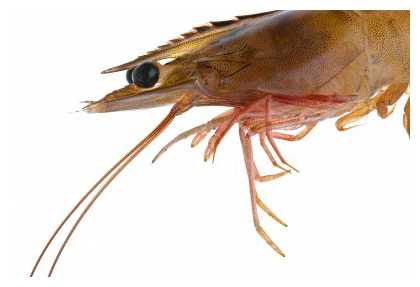
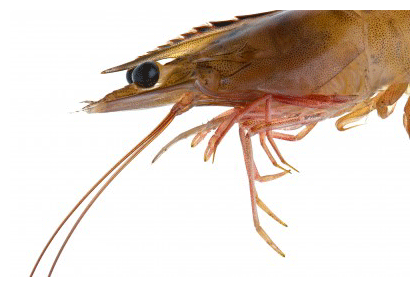
1 In fact, levels of polycyclic aromatic hydrocarbons (PAHs) in shrimp were found to exceed the FDA's established thresholds for allowable levels [levels of concern (LOCs)] for pregnant women in up to
53% of Gulf shrimp sampled.
PAHs are well-known carcinogens and developmental toxicants, which is why the U.S. Food and Drug Administration (FDA) is obligated to set risk criteria and thresholds for allowable levels of exposure to them.**
In the new study the authors set out to evaluate the degree to which the FDA's procedures for determining the safety of Gulf seafood after the BP disaster reflect the current risk assessment guidelines and practices, as produced by other authoritative entities, including the National Research Council (NRC), the World Health Organization (WHO), the U.S. Environmental Protection Agency (EPA) and the California EPA. The authors focused on cancer risk associated with shellfish consumption, looking at whether or not the FDA's guidelines protect the most vulnerable populations, e.g. pregnant women, infants.





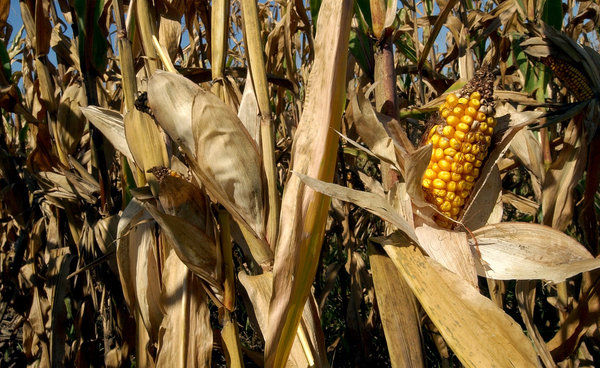










Comment: To learn more about the ongoing debate regarding the health risks of GMOs read the following articles:
GMO Scandal: The Long Term Effects of Genetically Modified Food in Humans
Pseudo-Scientific Defense of GMO Safety is Smoke and Mirrors
How to Win a GMO Debate: 10 Facts Why Genetically Modified Food is Bad
Top 10 Ways to Avoid GMOs