Health & WellnessS


Bandaid

Olympians know best, ignore skeptical 'scientists' and get all taped up

Kinesio Tapes
© Gotcherback
London - German beach volleyball player Ilka Semmler wears it on her buttocks - in pink. Swedish handball player Johanna Wiberg prefers it in blue from her knee to her groin. British sprinter Dwain Chambers has even worn it with a Union Jack design.

Athletic tape made in every colour under the sun seems to be the latest must-have sports injury treatment at London 2012, where athletes may have been influenced by other big name tape fans such as Serena Williams and David Beckham.

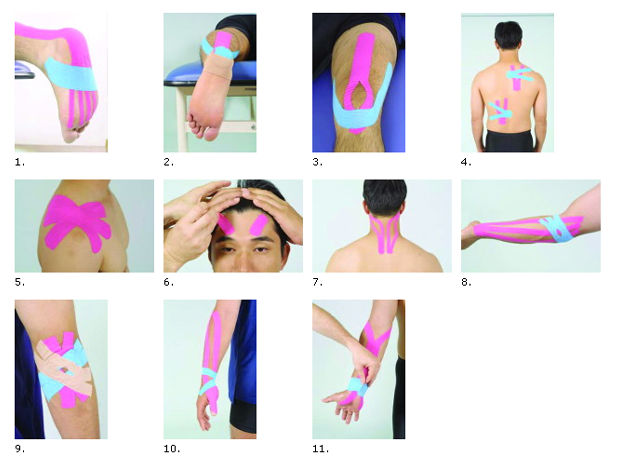
Called Kinesio tape and developed by a Japanese doctor more than 30 years ago, the adhesive strapping is designed to provide muscle and joint support without restricting movement.

According to Kinesio's product website, it is also designed to be used with a particular taping technique - a skill practitioners need to learn on a special training course.

More than 4,000 people in Britain are now trained in the art of Kinesio taping, it says, and many of them look after some of the country's top sportsmen and women.

But does it really work?

Compared with the abundance of its use, rigorous scientific research on Kinesio tape is scant. But a handful of research papers suggest its ability to relieve pain or improve muscle streng th is limited.

"Kinesio tape may be of some assistance to clinicians in improving pain-free active range of movement immediately after tape application for patients with shoulder pain," wrote scientists in one study published in the

But the researchers added their findings did not support the use of Kinesio tape for decreasing pain intensity or disability in patients with shoulder problems.

Whistle

Fighting GMO Labeling in California Is Food Lobby's "Highest Priority"

Image
© onegreenplanet.org
Grocery Manufacturers Association Long-time Obstructionist of Public Health.

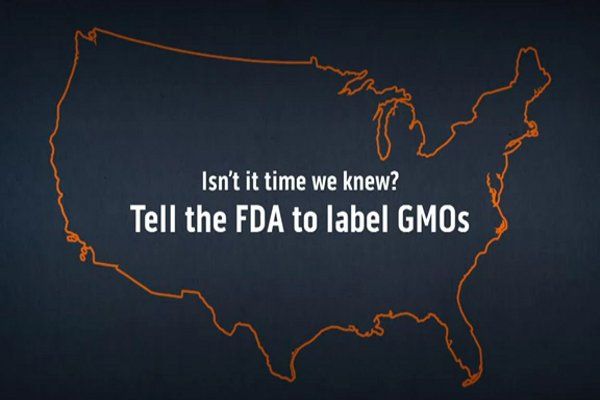
In case you had any doubt that California's Prop 37 - which would require labeling of food containing genetically-modified organisms (GMOs)-- is a significant threat to industry, a top food lobby has now made it perfectly clear.

In a recent speech to the American Soybean Association (most soy grown in the U.S. is genetically modified), Grocery Manufacturers Association President Pamela Bailey said that defeating the initiative "is the single-highest priority for GMA this year."

You may not know the Grocery Manufacturer's Association, but its members represent the nation's largest food makers - those with the most at stake in the battle over GMO labeling; for example, soft drink and snack giant PepsiCo, cereal makers Kellogg and General Mills, and of course, biotech behemoth Monsanto.

According to state filing reports, so far GMA has spent $375,000 on its efforts to oppose the labeling measure, with its members adding additional out-of-state lobbying power in the tens of thousands of dollars.

Smoking

Feds Target Largest Medical Marijuana Dispensary Operation in CA

Marijuana
© Unknown
Earlier this month it was reported that the federal government plans on shutting down the largest medical marijuana dispensary operator in California known as Harborside Health Center. Two dispensaries, one in Oakland and another in San Jose, are in the process of being seized by authorities, where both locations were gifted with copies of the federal Complaint for Forfeiture taped on their front doors. The papers, taped on the doors on Tuesday July 10, stated that the dispensaries were "operating in violation of federal law." Largest Operated California Medical Marijuana Dispensary Targeted

Needless to say, those who support medical marijuana and even some state officials frowned upon the federal government's less than expected action. While some individuals like the U.S. attorney for Northern California, Melinda Haag, say that the action was warranted because the California medical marijuana dispensaries presented opportunities for abuse, others are rather upset. He explains:
"People are not going to stop using cannabis, they're just going to buy it in the illegal marketplace ... on the streets. Why are federal prosecutors using their discretion to do something so profoundly destructive" said Steve DeAngelo, co-founder of Haborside and leader in the movement for medical marijuana use.
Attorney General Eric H. Holder told the House Judiciary Committee in June that the federal agents were only after large-scale growers and medical marijuana dispensaries that have "come up with ways in which they are taking advantage of these state laws, and going beyond that which the states have authorized."

Magnify

The Truth About Your Eggs


Eggs are quite possibly the world's perfect protein source. The six grams of protein in each egg has the highest biological value - a measure of how well it supports your body's protein needs - of any food, including beef. The yolks contain vitamin B12, deficiencies of which can cause attention, mood, and thinking problems.

Depending on where you're getting your eggs, though, you could be getting a lot more of stuff you don't want. First you'll get some arsenic, added to feed to promote growth in hens but linked to various forms of cancer in people, and an extra dose of antibiotics, also used to promote growth but linked to antibiotic resistance and even obesity in people. Then add a heaping helping of salmonella. A 2010 study published in the journal Veterinary Record found that the eggs from hens confined to cages, as they often are in factory farms, had 7.77 - times greater odds of harboring salmonella bacteria than eggs from non-caged hens.

Attention

The Potential Effects of Soy, and How it Might Decimate the Health of Your Unborn Baby and the Fertility of Future Generations

Image
If you're pregnant or thinking of having a baby, you might want to take a look at some new research on the effects of plant estrogens, such as that found in soy, on a developing fetus.

According to Medical News Today[1], a paper published in Biology of Reproduction[2] suggests that exposure to estrogenic chemicals in the womb or during childhood has the potential to negatively affect a woman's fertility as an adult.

This coincides with earlier research on neonatal effects of exposure to plant or environmental estrogens. In studies with mice, researchers found that causes of infertility included:
  • Failure to ovulate
  • Reduced ability of the oviduct to support embryo development before ovulation, and
  • Failure of the uterus to support effective implantation of blastocyst-stage embryos
According to Medical News Today:
"The team now reports that neonatal exposure to genistein changes the level of immune response in the mouse oviduct, known as mucosal immune response. Some of the immune response genes were altered beginning from the time of genistein treatment, while others were altered much later, when the mouse was in early pregnancy.

Together, those changes led to harmfully altered immune responses and to compromised oviduct support for preimplantation embryo development, both of which would likely contribute to infertility."
Since human development of the reproductive tract continues through puberty, researchers believe that estrogenic chemical exposure to human females as a fetus, infant, child, and adolescent could have impacts on fertility. The authors suggested that minimizing the use of soy-based baby formula would be a step toward maintaining female reproductive health.

Earlier research has also found that the compound genistein impairs sperm as they swim toward the egg. Even tiny doses of the compound in the female tract could destroy sperm, which would impair your ability to conceive in the first place.

Comment: In addition to Dr. Mercola's informative article about the negative health effects of soy, read the following articles carried on SOTT.NET to learn more about 'Soy, the 'miracle health food' with proven health risks':

Not Soy Fast
The Truth about Soy
Confused About Soy?: Soy Dangers Summarized
The Dangers of Soy Are Real - and Much Worse Than You Might Think
Is Soy the Ticket to Good Health or Infertility? Here's the Scoop
The War on Soy: Why the 'Miracle Food' May Be a Health Risk and Environmental Nightmare


Info

How Malnutrition Leads to Inflamed Intestines

Image
© IMBAMalnutrition
More than one billion people in poor countries are starving, and malnutrition remains a major problem even in rich countries, making it a leading cause of death in the world. For over a hundred years, doctors have known that a lack of protein in the diet or low levels of amino acids, the building blocks of proteins, can lead to symptoms like diarrhoea, inflamed intestines and other immune system disorders, which weaken the body and can be fatal. However, the molecular mechanism which explains how malnutrition causes such severe symptoms has been largely unexplored.

Now a research group led by Josef Penninger, the director of the Institute of Molecular Biotechnology (IMBA) in Vienna, Austria, in cooperation with Philip Rosenstiel, University of Kiel, Germany, has found a molecular explanation for the increased susceptibility to intestinal inflammation in malnutrition. The researchers were studying an enzyme which helps to control blood pressure, kidney failure in diabetes, heart failure and lung injury, called the Angiotensin Converting Enzyme 2, or ACE2. This enzyme was identified as the key receptor for SARS virus infections, but the researchers also discovered an entirely new function. ACE2 controls the way our intestines take in amino acids from our food, via amino acid transporters, and in particular the uptake of the essential amino acid tryptophan.

Info

Digital Pills Make Their Way to Market

Digital Pills
© Proteus Biomedical Smart Pills
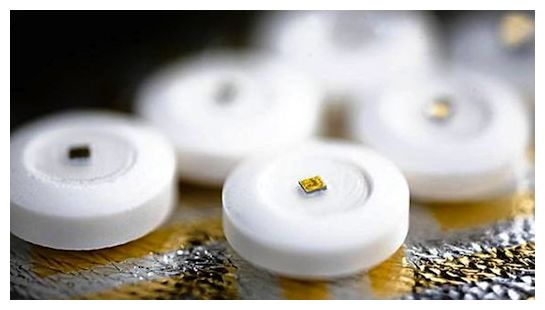
Digestible microchips embedded in drugs may soon tell doctors whether a patient is taking their medications as prescribed. These sensors are the first ingestible devices approved by the US Food and Drug Administration (FDA). To some, they signify the beginning of an era in digital medicine.

"About half of all people don't take medications like they're supposed to," says Eric Topol, director of the Scripps Translational Science Institute in La Jolla,California. "This device could be a solution to that problem, so that doctors can know when to rev up a patient's medication adherence."

Topol is not affiliated with the company that manufactures the device, Proteus Digital Health in Redwood City,California, but he embraces the sensor's futuristic appeal, saying, "It's like big brother watching you take your medicine."

The sand-particle sized sensor consists of a minute silicon chip containing trace amounts of magnesium and copper. When swallowed, it generates a slight voltage in response to digestive juices, which conveys a signal to the surface of a person's skin where a patch then relays the information to a mobile phone belonging to a healthcare-provider.

Cookie

This is your brain on sugar: high-fructose diet sabotages learning, memory

doughnuts sugar cancer toxic
© Unknown
Eating more omega-3 fatty acids can offset damage, researchers say

Attention, college students cramming between midterms and finals: Binging on soda and sweets for as little as six weeks may make you stupid.

A new UCLA rat study is the first to show how a diet steadily high in fructose slows the brain, hampering memory and learning - and how omega-3 fatty acids can counteract the disruption. The peer-reviewed Journal of Physiology publishes the findings in its May 15 edition. "Our findings illustrate that what you eat affects how you think," said Fernando Gomez-Pinilla, a professor of neurosurgery at the David Geffen School of Medicine at UCLA and a professor of integrative biology and physiology in the UCLA College of Letters and Science.
"Eating a high-fructose diet over the long term alters your brain's ability to learn and remember information. But adding omega-3 fatty acids to your meals can help minimize the damage."
While earlier research has revealed how fructose harms the body through its role in diabetes, obesity and fatty liver, this study is the first to uncover how the sweetener influences the brain.

Sources of fructose in the Western diet include cane sugar (sucrose) and high-fructose corn syrup, an inexpensive liquid sweetener. The syrup is widely added to processed foods, including soft drinks, condiments, applesauce and baby food. The average American consumes roughly 47 pounds of cane sugar and 35 pounds of high-fructose corn syrup per year, according to the U.S. Department of Agriculture. "We're less concerned about naturally occurring fructose in fruits, which also contain important antioxidants," explained Gomez-Pinilla, who is also a member of UCLA's Brain Research Institute and Brain Injury Research Center.

"We're more concerned about the fructose in high-fructose corn syrup, which is added to manufactured food products as a sweetener and preservative."

Health

Anxiety and Depression Increase Risk of Sick Leave

Long-term sick leave is a burden for individuals and society at large, yet very little is known about the underlying reasons for it. Researchers at the Norwegian Institute of Public Health, in collaboration with Australian and British institutes, have identified anxiety as a more important risk factor than previously thought.

Common mental disorders such as anxiety and depression will affect 1 of 3 of us at some point in our lives. The core symptoms of mental disorders affect a person's emotional, cognitive and social functioning, which can impact on working ability. Previous studies have found a link between mental disorders and sick leave, though they have been uncertain as to whether mental disorder increases the risk of sick leave, or the other way around. Prolonged absence from the workplace can contribute to avoidance behaviour, especially in those with anxiety, which can make it even harder for these individuals to get fully back to work. It is therefore important to examine the long-term associations between common mental disorders and sick leave in order to help plan more effective interventions aimed to prevent and reduce sick leave among individuals with common mental disorders.

This study examined anxiety and depression levels among 13 436 participants in the Hordaland Health Study. Common mental disorders were assessed at the start of the study with the Hospital Anxiety and Depression Scale. Participants were then followed for up to 6 years, retrieving information on sick leave of 16 days or more from the official Norwegian registry over state paid sick leave benefits. Information on other possible causal factors such as socioeconomic status and physical health was also obtained from the health study.

2 + 2 = 4

Study: Environmental Estrogens Linked to Uterine Problems

Chemicals that mimic the human hormone may increase the risk of uterine and ovarian diseases.

Shortly after moving to Canada's Okanagan Valley, Patricia Lee started experiencing severe irregularities in her menstrual cycle. She had one period that lasted two and a half months. The bleeding was so intense that at one point, doctors recommended a blood transfusion.

"I couldn't sleep - it was excruciatingly painful and I grew quite weak," said Lee, now 47. Her diagnosis: a fibroid, or benign tumor, the size of a ping-pong ball in her uterus, and two cysts in her ovaries.

At the time, Lee lived in a long, slender valley through the center of British Columbia that produces nearly all of the province's tree fruits and grapes. Agriculture is intensive there, as is pesticide use.