

Gwen Olsen spent fifteen years as a sales rep in the pharmaceutical industry working for health care giants including Johnson & Johnson, Syntex Labs, Bristol-Myers Squibb, Abbott Laboratories and Forest Laboratories.

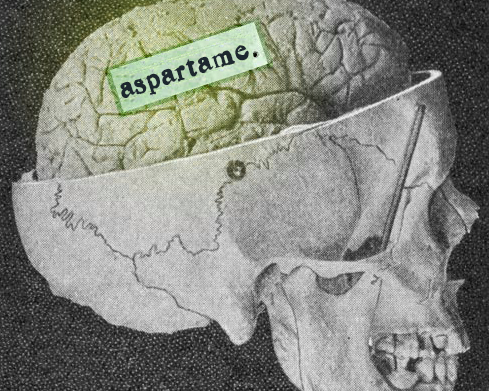
In 1985 Monsanto purchased G.D. Searle, the chemical company that held the patent to aspartame, the active ingredient in NutraSweet. Monsanto was apparently untroubled by aspartame's clouded past, including a 1980 FDA Board of Inquiry, comprised of three independent scientists, which confirmed that it "might induce brain tumors."
The FDA had actually banned aspartame based on this finding, only to have Searle Chairman Donald Rumsfeld (currently the Secretary of Defense) vow to "call in his markers," to get it approved.

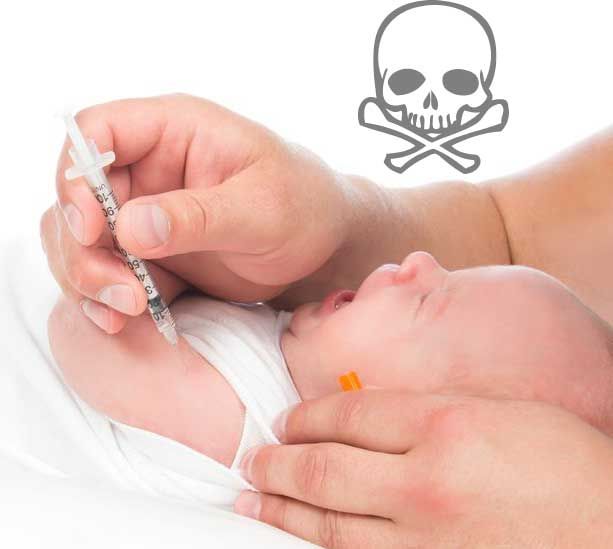
"From 2 to 4 months old, babies begin their primary course of vaccinations. This is also the peak age for sudden infant death syndrome (SIDS). The timing of these two events has led some people to believe they might be related...With babies receiving multiple doses of vaccines during their first year of life and SIDS being the leading cause of death in babies between one month and one year of age, CDC has led research studies to look for possible linkage."
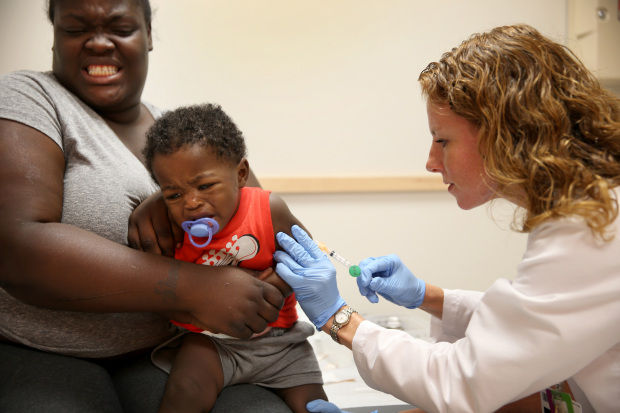





Comment: See also Drugging America: The drug industry exposed: