
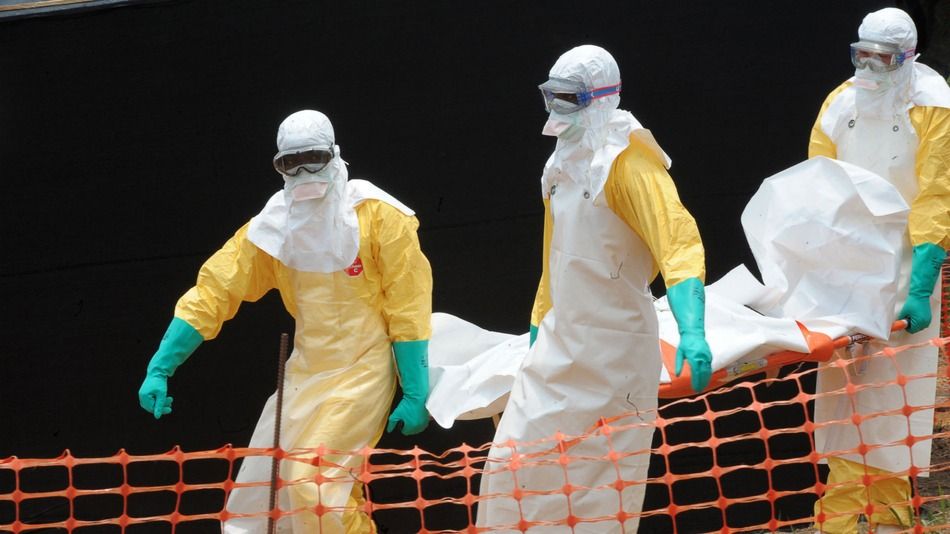
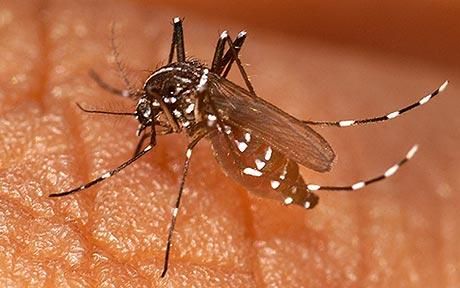
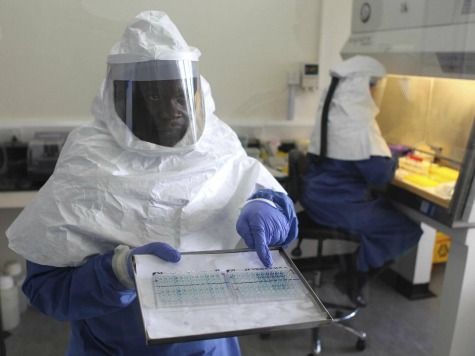
© newsverge.comHospitals admit some patients came with symptoms suggestive of malaria...fever, headaches, extreme weakness...but precautions must be taken in case it is ebola.
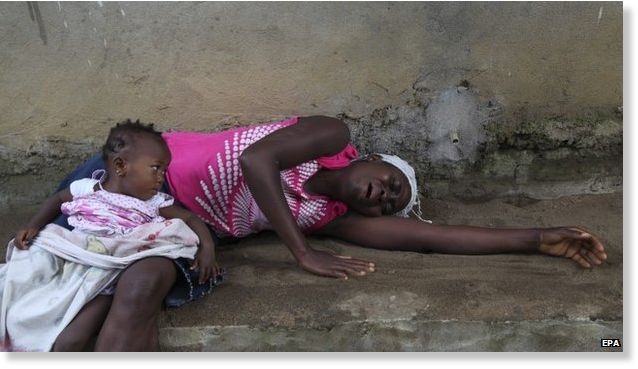
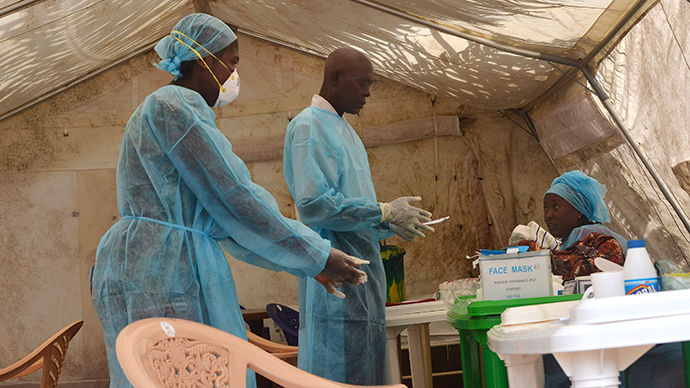
In Sierra Leone, with the most Ebola cases in the epidemic, a fearful population is failing to seek medical attention for any diseases, health officials say. If they have malaria, the feeling is they don't want to go near a hospital with Ebola cases. If it's Ebola, they don't believe the hospitals can help them anyway, instead turning to traditional healers.
It's a widening challenge complicated by the fact that Ebola, malaria and cholera share common symptoms early on, including fever and vomiting, which can cause confusion among patients, said Cyprien Fabre, head of the West Africa office of the European Commission's humanitarian aid department.
"We now have increased mortality for these other diseases" as well, Fabre said by telephone from Freetown, the country's capital, after visiting Ebola treatment centers in Kenema and Kailahun near the eastern border. "This is a slow-motion disaster."
The issue threatens to further undermine health and welfare in Sierra Leone, which has the world's highest rate of child and maternal mortality, Fabre said.
The outbreak has killed 932 people in Guinea, Liberia and Sierra Leone since it was first reported in March, according to the World Health Organization. That includes 45 deaths from Aug. 2 to Aug. 4, the health group said.

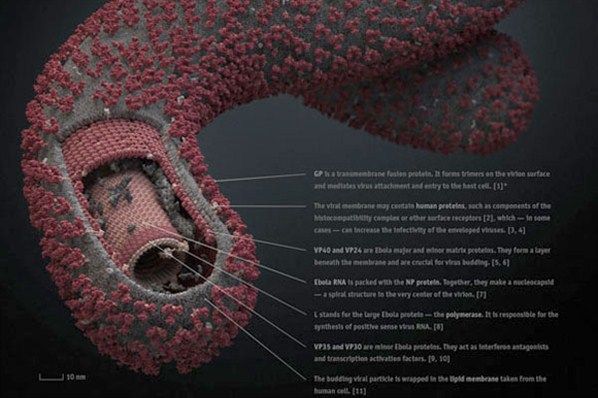










Comment: There are four different strains of ebola that can infect humans causing Ebola virus disease (EVD) or Ebola hemorrhagic fever (EHF). Because the genetic change rate is slow, on par with Hepatitis B, the Ebolavirus has been around for thousands of years. The Zaire virus, a form of Ebola, is the most deadly, most prevalent and its symptoms resemble malaria. Viruses do not grow through cell division, because they are not cells (acellular); instead, they use the machinery and metabolism of a host cell to produce multiple copies of themselves, and they assemble in the cell. Because they are highly infectious via body fluids, oral exposure, and are breathable, they are classified as Category A biological weapons.