As the coast erodes, decades-old trash is coming out of the ground.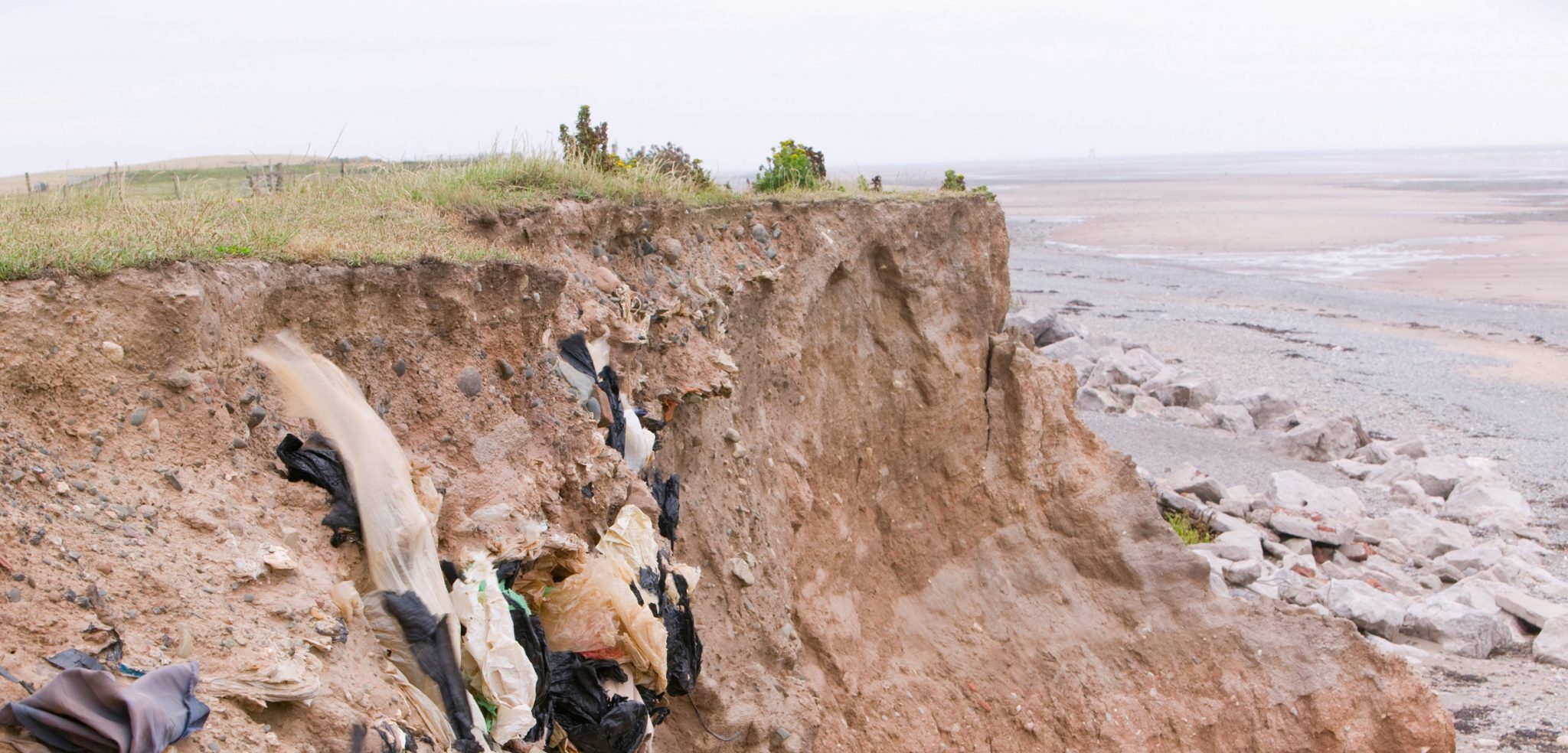
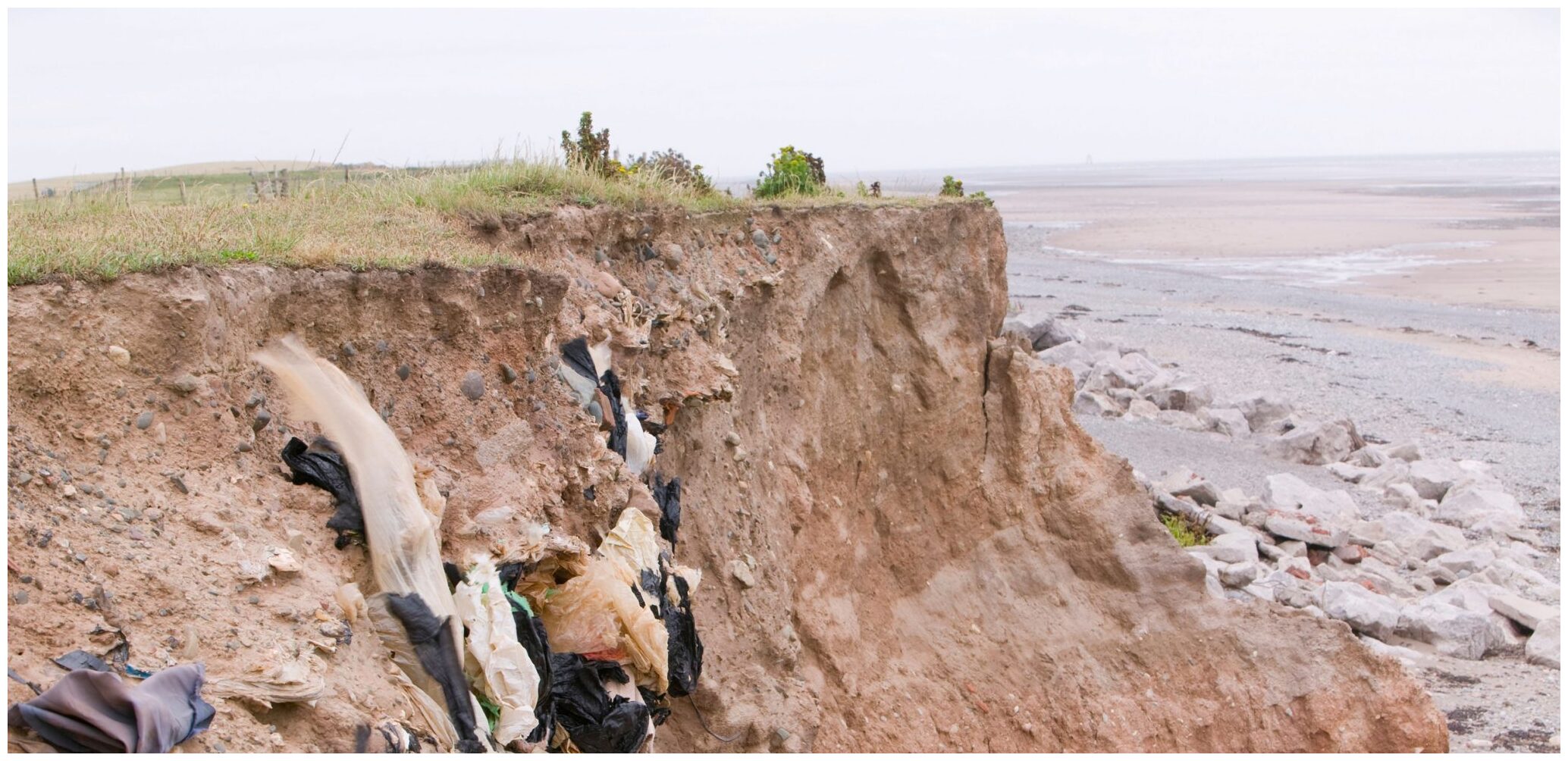
© Global Warming Images/Alamy Stock PhotoThousands of landfills built over the past century, like this one on Walney Island, England, are susceptible to flooding, sea level rise, and coastal erosion.
In the early 2010s, garbage started falling out of the sand dunes in Lingreville, France.
Beset by chronic coastal erosion, a long-forgotten landfill was spewing its rotten trove into the ocean. In 2016, a powerful storm dug into the site. The next year, cleanup crews stripped 14,000 cubic meters of sand mixed with waste — including asbestos — from the site.
Now, researchers are warning that coastal communities around the world are set to face the same fate, with destabilized landfills on the verge of releasing large amounts of waste into the ocean.Humans have been throwing everything from hazardous industrial waste to domestic rubbish into landfills for decades. Landfills were originally seen as eternal dumping grounds that could hold waste forever. It didn't take long for environmental concerns to arise, and today legislation often dictates what can and can't be chucked into a landfill. But the vast majority of landfills predate such rules. And with sea level rise causing more extreme erosion, flooding, and storm surges,
we are on the verge of being reunited with much of this refuse.Robert Nicholls, an expert in climate adaptation at the University of East Anglia in England, is concerned that people are under-appreciating just how much garbage could be loosed from degrading shorelines. To demonstrate the true extent of the issue, Nicholls and his
colleagues analyzed existing data on landfills in Europe and in Florida — a state set to lose huge swaths of its area over the next century — to show the vast number of historical landfills sitting precariously close to the rising ocean.














Comment: Recommended reading: Creatures From the Deep Signal Major Earth Changes: Is Anyone Paying Attention?