

Two of the world's premiere ocean scientists from Harvard and MIT have addressed the data limitations that currently prevent the oceanographic community from resolving the differences among various estimates of changing ocean heat content (in print but available here).3 They point out where future data is most needed so these ambiguities do not persist into the next several decades of change. As a by-product of that analysis they 1) determined the deepest oceans are cooling, 2) estimated a much slower rate of ocean warming, 3) highlighted where the greatest uncertainties existed due to the ever changing locations of heating and cooling, and 4) specified concerns with previous methods used to construct changes in ocean heat content, such as Balmaseda and Trenberth's re-analysis (see below).13 They concluded, "Direct determination of changes in oceanic heat content over the last 20 years are not in conflict with estimates of the radiative forcing, but the uncertainties remain too large to rationalize e.g., the apparent "pause" in warming."
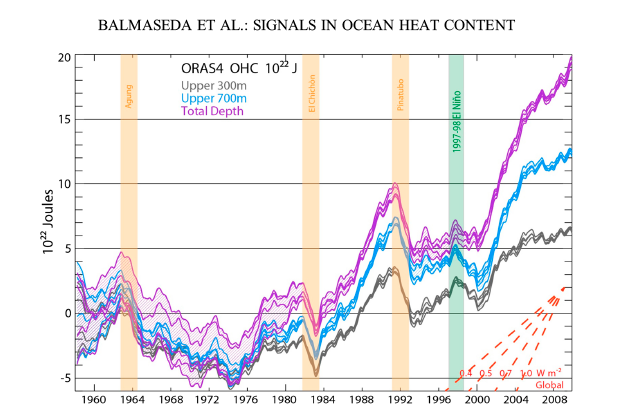
© Wattsupwiththat.com


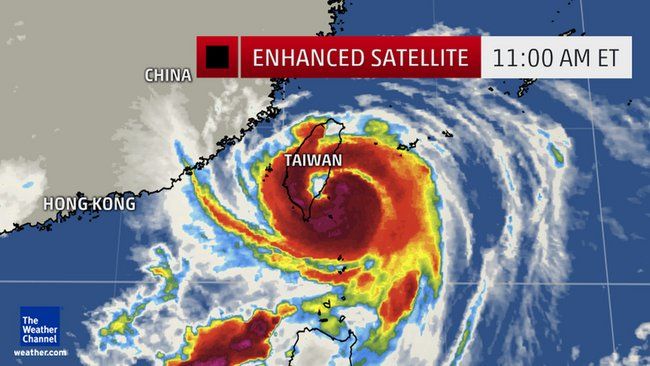

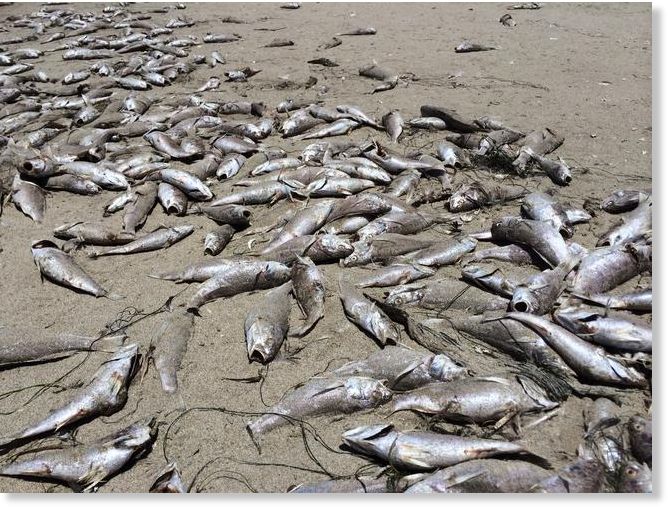










Comment: Yet more spurious 'explanations' by ''experts' for this event, while ignoring the larger context of the increase in reports of unusual mass animal deaths that have occurred across the globe in recent years.