Earth ChangesS


Cloud Lightning

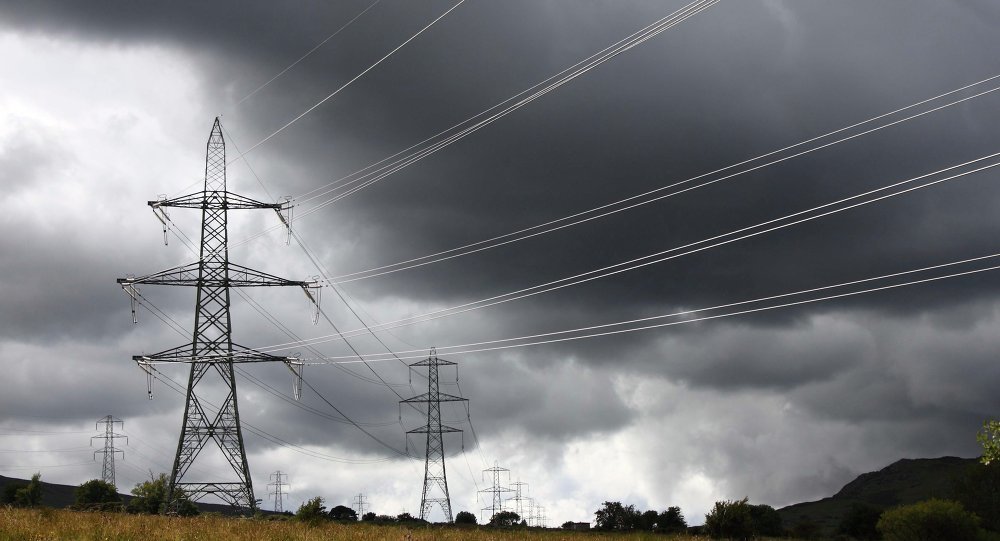
Strong storm leaves over 1,100 homes in Wales without electricity

Wales, UK storm
© Rex Features
According to the BBC, about 450 houses were affected on Tuesday morning, and another 700 later in south-west Wales.

The country's authorities have issued numerous warnings about possible floods, and the Meteorological Office of the country warned that rainfall on Tuesday and Wednesday could reach 4 inches.

Earlier in December, hundreds of people were forced to flee their homes due to an unprecedented flooding with the highest level ever recorded in some parts of northern Britain. Tens of thousands of homes were left without electricity because of heavy rain and strong wind.

Bizarro Earth

Data buoy warning of "event" off coast of Oregon could be precursor to devastating earthquake - Mainstream media immediately downplays event

tsunami
An ocean data buoy is alerting to an "event" in the Cascadia Subduction Zone off the west coast of Oregon. This is where a magnitude 9 earthquake hit in 1700.

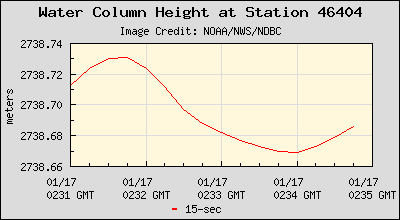
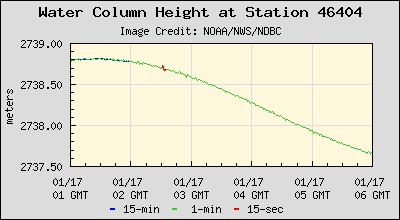
According to the data buoy, the water column height (depth) fell sharply within minutes off the coast of Oregon, signaling the land beneath the ocean has suddenly "sunk."

Here are the graphs showing what the ocean data buoy recorded:
water column height
water column height
As of 0231:30, the initial water column height is 2738.80 Meters deep (8985.56 feet). Two minutes and thirty seconds later, that same water column height had dropped to 2738.66 Meters deep (8985.10 feet). Where did the four inches of water disappear to? Answer: The earth sunk; and continued to sink for the next several HOURS. As you can see from the second chart above, from 0230 GMT to 0600 GMT, the ocean continued to sink to 2737.7 meters deep (8981.95 feet). The buoy is too far away from shore to be affected by high/low tide, so where did the four feet of ocean water disappear to?

This means a Tectonic Plate in the Ocean named the "Juan de Fuca Plate" has made a sudden, eastward movement and slipped beneath another Tectonic Plate named the "North American Plate." This type of event is usually followed by a massive upward movement of the North American Plate causing a very severe earthquake.

Bizarro Earth

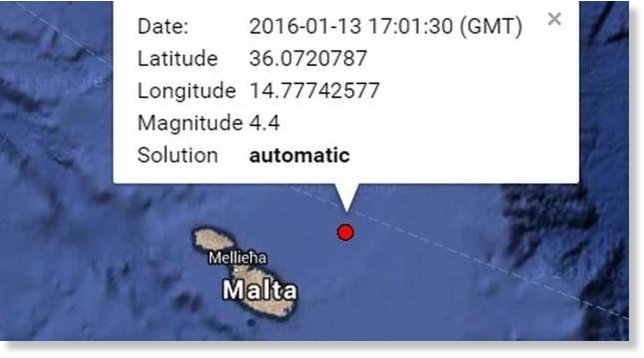
Undersea earthquake measuring 4.4 strikes Malta

malta earthquake
An undersea earthquake measuring 4.4 on the richter scale was felt in all parts of Malta at around 6pm.

According to the website of the University of Malta's Seismic Monitoring & Research Group the tremor took place to the north east of Malta, around 30 kilometres out. It lasted for around ten seconds.

The tremor seemed to be more violent than usual. Buildings shook for a few seconds and this newsroom received several reports from our readers. A person in Gharghur wrote: short but very strong as things fell off the shelves!!

People wrote on Facebook and on news website comment boards that today's tremor reminded them of another strong quake felt in the 1960s. Many said they had never felt a tremor this strong before.

Roses

"It's bloomin' incredible" say botanists: More than 600 species of British flowers were in bloom on New Year's Day - usually it's 20-30

hawthorn
© AlamyHawthorn has been spotted in flower at New Year, a whole five months earlier than expected

Nature Studies: In a normal winter botanists would expect no more than 20 to 30 plants to have been in flower


It's unheard-of: after the warmest and wettest December on record, more than 600 species of British wildflowers were in bloom on New Year's Day 2016, a major survey has shown.

In a normal cold winter, botanists would expect no more than 20 to 30 types of wild plants to be in flower in the British Isles at the year's end - species such as daisy, dandelion and gorse.

But a survey by the Botanical Society of Britain and Ireland (BSBI) has discovered that on 1 January, no fewer than 612 species were actually flowering, including some from late spring and high summer - an occurrence which seems to be without precedent, and has left plant scientists astonished.

"It's incredible," said Kevin Walker, the BSBI's Head of Science. "I've never seen anything like it."

Just like December's astounding weather regime of record rainfall and warmth, the mass out-of-time flowering is suggestive of a substantial climatic shift. "It is what might be expected with climate change," Dr Walker said.

The appearance of many familiar and well-loved springtime species was a complete surprise: cowslips and cow parsley were both recorded four months early, normally appearing in April, while yellow archangel, bulbous buttercup and red campion are all expected in May.

Blue Planet

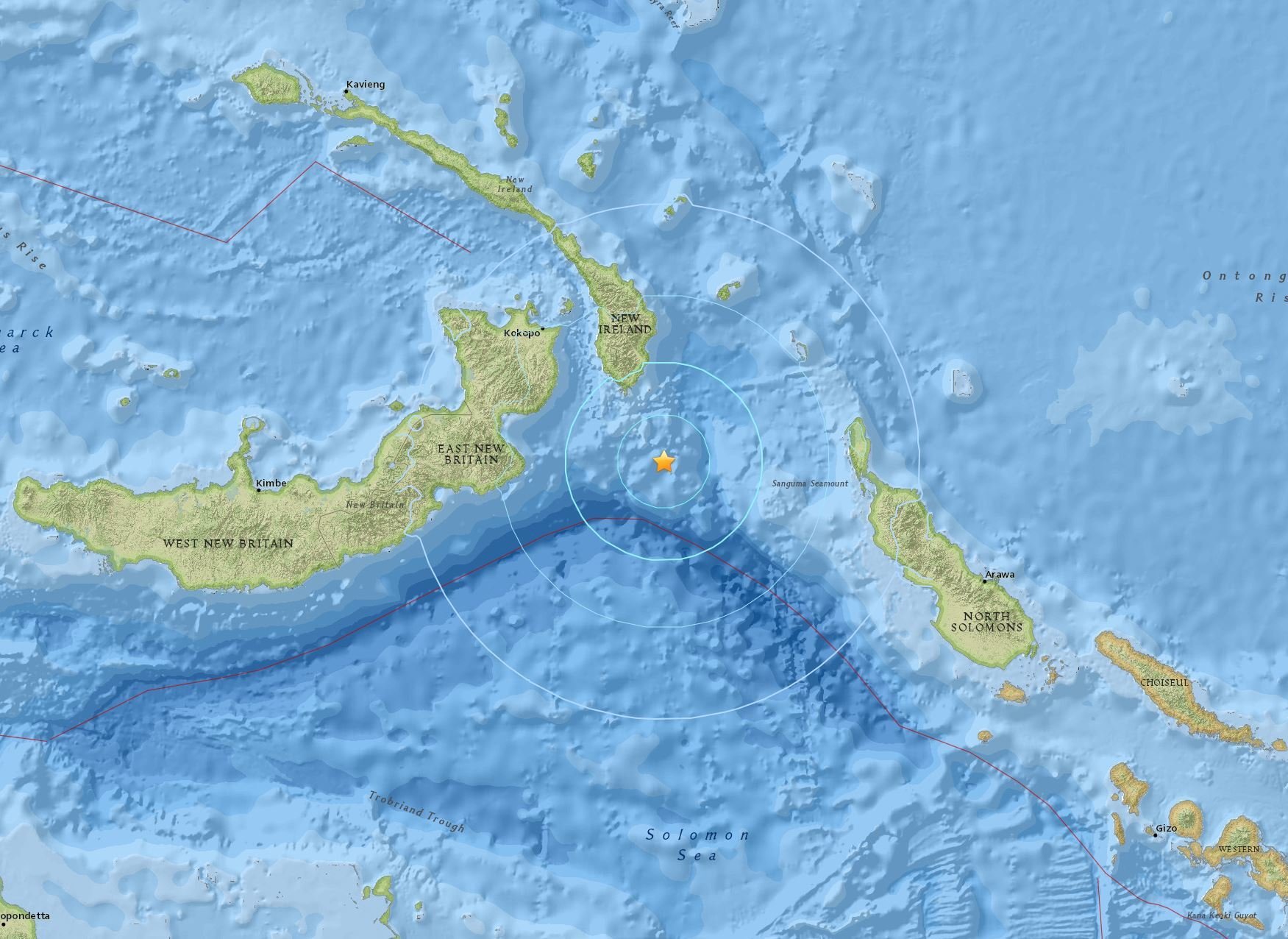
Magnitude 6.3 quake strikes off Papua New Guinea

Map papau New Guinea
© USGS
An earthquake of magnitude 6.3 struck off the Pacific Ocean nation of Papua New Guinea on Tuesday, the U.S. Geological Survey said.

The earthquake, about 169 km (105 miles) southeast of the town of Rabaul, hit at a depth of 46 km (29 miles). There were no immediate reports of damage or casualties.

USGS has downgraded the quake to 5.8.

Attention

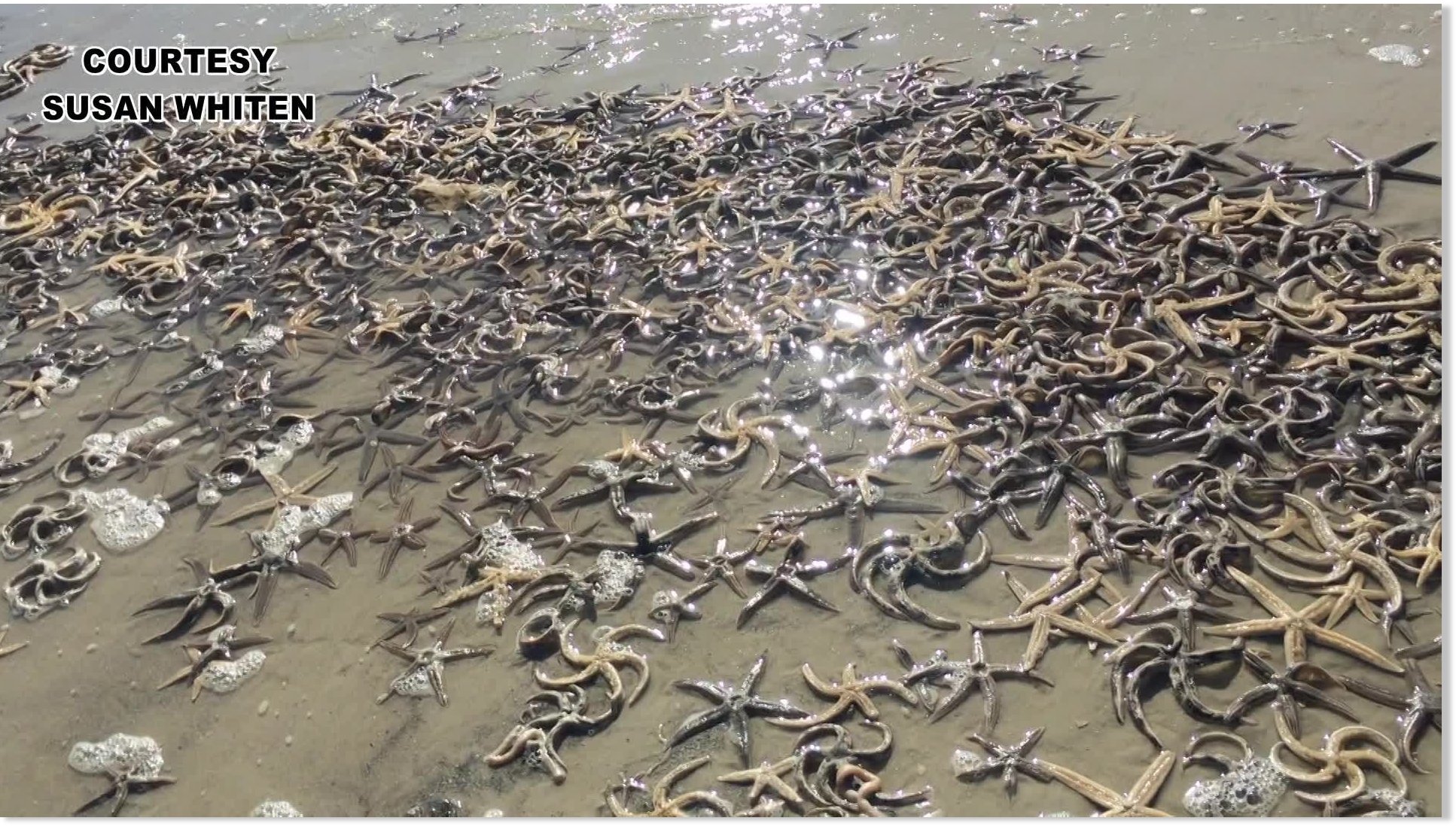
Thousands of starfish wash ashore at Port St. Joe, Florida

Dead starfish
Dead starfish
For Bud and Susan Whiten, a stroll on the beach in Port St. Joe early Sunday afternoon turned out to be a little fishy.

"We walk this beach every day if we can, preferably at low tide, looking for shell, coral, whatever we can see because it's a beautiful nature area," Susan Whiten said.

But they said their trip to the beach left them star struck.

"We saw what looked to be a whole lot of shells that had washed up, but it was actually thousands of starfish," Whiten said. "I just couldn't imagine that there would be any starfish left as many as we saw. It was just unbelievable."

"I've never seen it like this before," Mike Forbess, a resident from Callaway, said. "There's just thousands upon thousands of them. We walked on the beach for maybe a quarter mile, and it was just solid dead starfish."


Binoculars

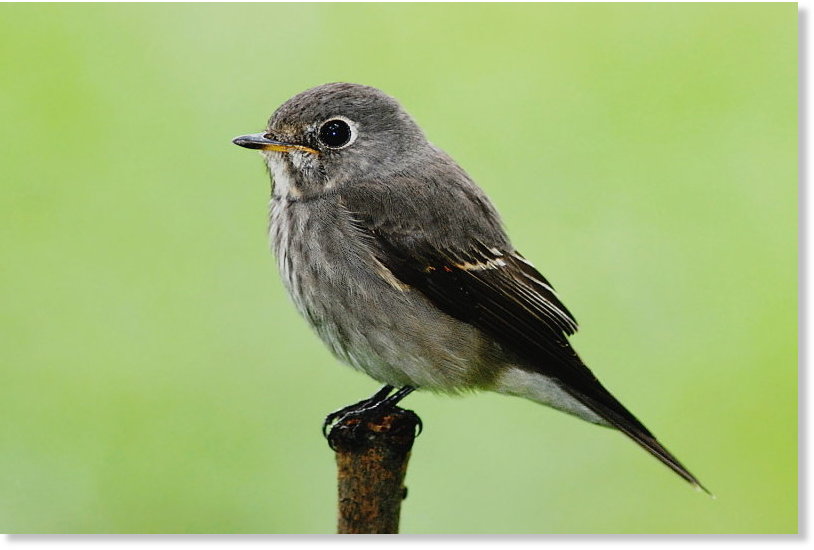
Wrong time, wrong place: Dark-Sided Flycatcher from east Asia found wintering on Iceland

Dark-sided Flycatcher

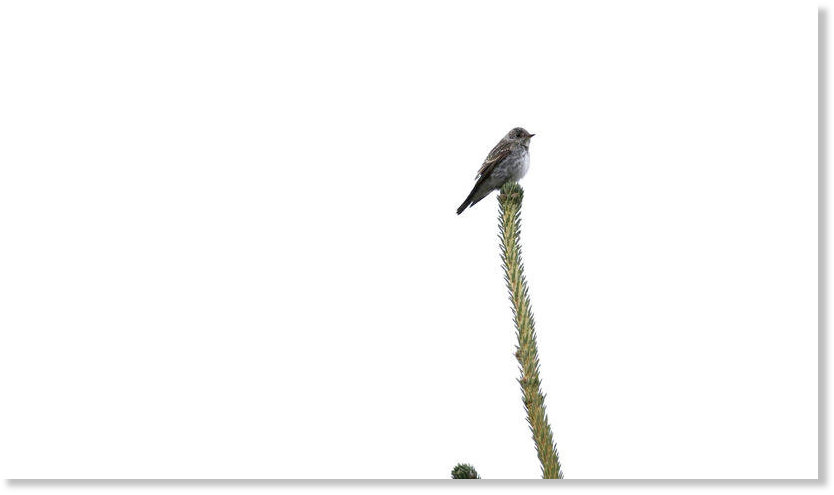
"I had no idea what kind of bird we were looking at, it was so weird," says ornithologist Brynjúlfur Brynjúlfsson at the South East Iceland Bird Watching Centre. He is the first person to have spotted a Dark-Sided Flycatcher (Muscicapa sibirica) in Western Europe.

The species, according to Wikipedia, breeds in South-East Siberia west to beyond Lake Baikai as well as in Mongolia, China, North Korea and Japan.

Their wintering range includes India, Bangladesh, southern China, Taiwan, Sumatra, Java, Borneo and the Philippines. Vagrant birds have been previously recorded as far as Alaska and Bermuda.
Dark-Sided Flycatcher
© Björn ArnarsonThe Dark-Sided Flycatcher is a resident of Asia.

Arrow Down

Some lanes reopen after large sinkhole damages Interstate 8 in San Diego

Sinkhole
© Hayne Palmour IV / San Diego Union-TribuneA workman places a pipe into the large sinkhole next to I-8.
Two lanes on eastbound Interstate 8 in San Diego have reopened as crews repair a sinkhole near San Diego State University.

A large sinkhole opened on the right shoulder of the freeway Thursday, snarling traffic for miles as crews worked to repair the pit.

The hole, estimated to be 20 feet by 30 feet, and 20 feet deep, formed between College Avenue and Waring Road in College Area about 10:10 a.m., CHP Officer Tommy Doerr said.

Lanes closest to the sinkhole remained closed in case the cavity widened underneath the freeway, Caltrans spokesman Edward Cartagena said. Crews later learned the space had spread about two feet under the farthest right lane.


Bell

Flooding in Argentina leaves coastal areas crawling with thousands of snakes

buenos aires`
© REUTERS/ Enrique MarcarianSnake invasion off the coast of Buenos Aires
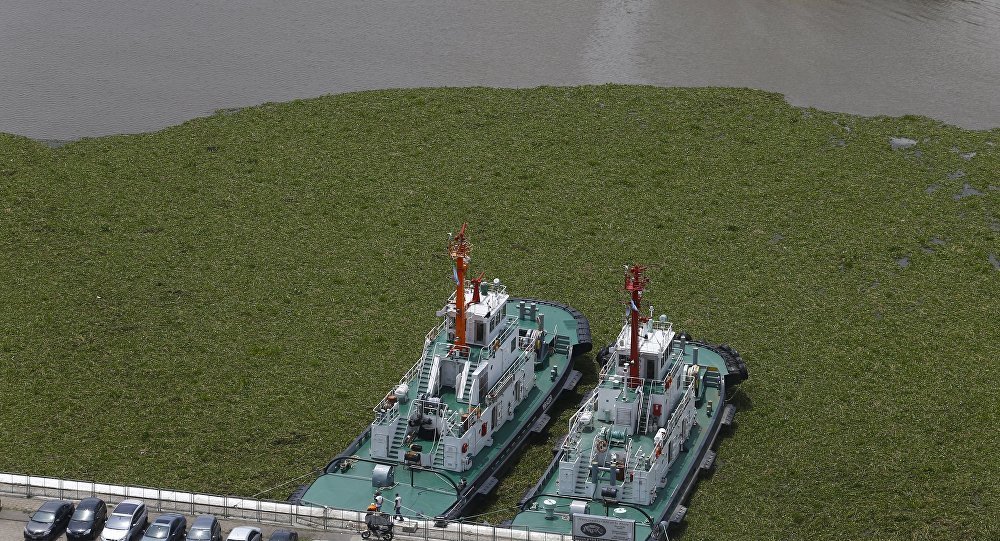
An invasion of poisonous snakes washed downriver in recent floods forced authorities to close beaches to summer holidaymakers in northern Argentina, officials said on Monday.

Floodwaters in the Rio Plata and Rio Parana carried a species of water lily and with it countless crawling, slithering creatures, south to beaches at the mouths of those rivers near Buenos Aires.

"We are raising awareness of the risk and danger present today. There are otters and species of snakes that are poisonous," said Matias Leyes, an official in the coastal town of Quilmes, south of the capital.

"The beaches of Quilmes have been closed as a precaution. We were cleaning up the coast during the week and while doing so we saw the snakes under the water lilies."

Umbrella

Huge waves hit already battered Pacifica coastline in California

Properties along Esplanade Ave
© Leah Millis, San Francisco Chronicle Properties along Esplanade Ave can be seen perched on the edge of an eroding cliff Dec. 23, 2015 in Pacifica, Cali
Massive waves have been relentless in Pacifica.

Sky 7 HD was over the coastal town Saturday and it showed where recent storms damaged a sea wall and threatened homes.

A high surf advisory is in effect in Pacifica until 10 p.m. El Nino-enhanced storms have pounded the city's coastline, forcing a local state of emergency.

Since Dec. 15, storms have damaged the Pacifica Pier, the Milagra watershed and caused a massive sinkhole. Big boulders have been put in that hole as a temporary fix.

Apartments on the eroding cliffs of Esplanade Avenue are also threatened. They were condemned several years ago. New properties near those apartments could be next.