
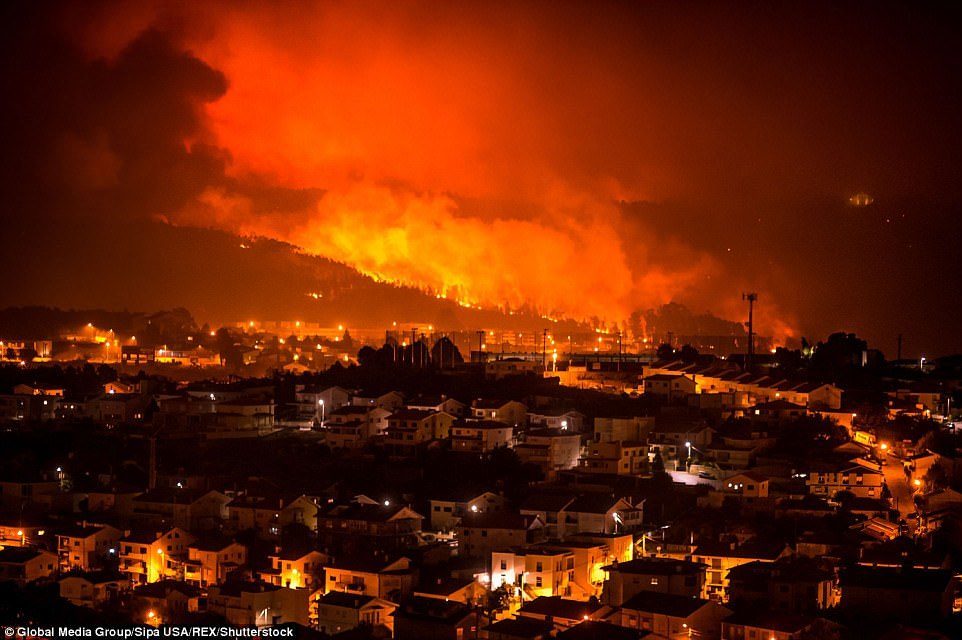
Raging fires run along a mountainside near Braga in northwestern Portugal. Wild fires have broken out in Santa Marta, Sameiro, Taipas and Braga.
Wildfires have killed at least 39 people across Portugal and Spain as hundreds of blazes were fanned by strong winds caused by a hurricane, authorities said on Monday.
Thirty-five people - including a one-month-old baby - in Portugal have died and dozens have been injured, most of them firefighters, during fires raging in central and northern areas of the country.
Portugal's civil protection service said as of Monday morning, firefighters were fighting 145 separate blazes across the country, dozens of which are considered to still be serious.
In the northwestern Spanish region of Galicia, authorities said that four people had died, two of them trapped in a car, as a result of blazes that were threatening inhabited areas prompting the evacuation of thousands.
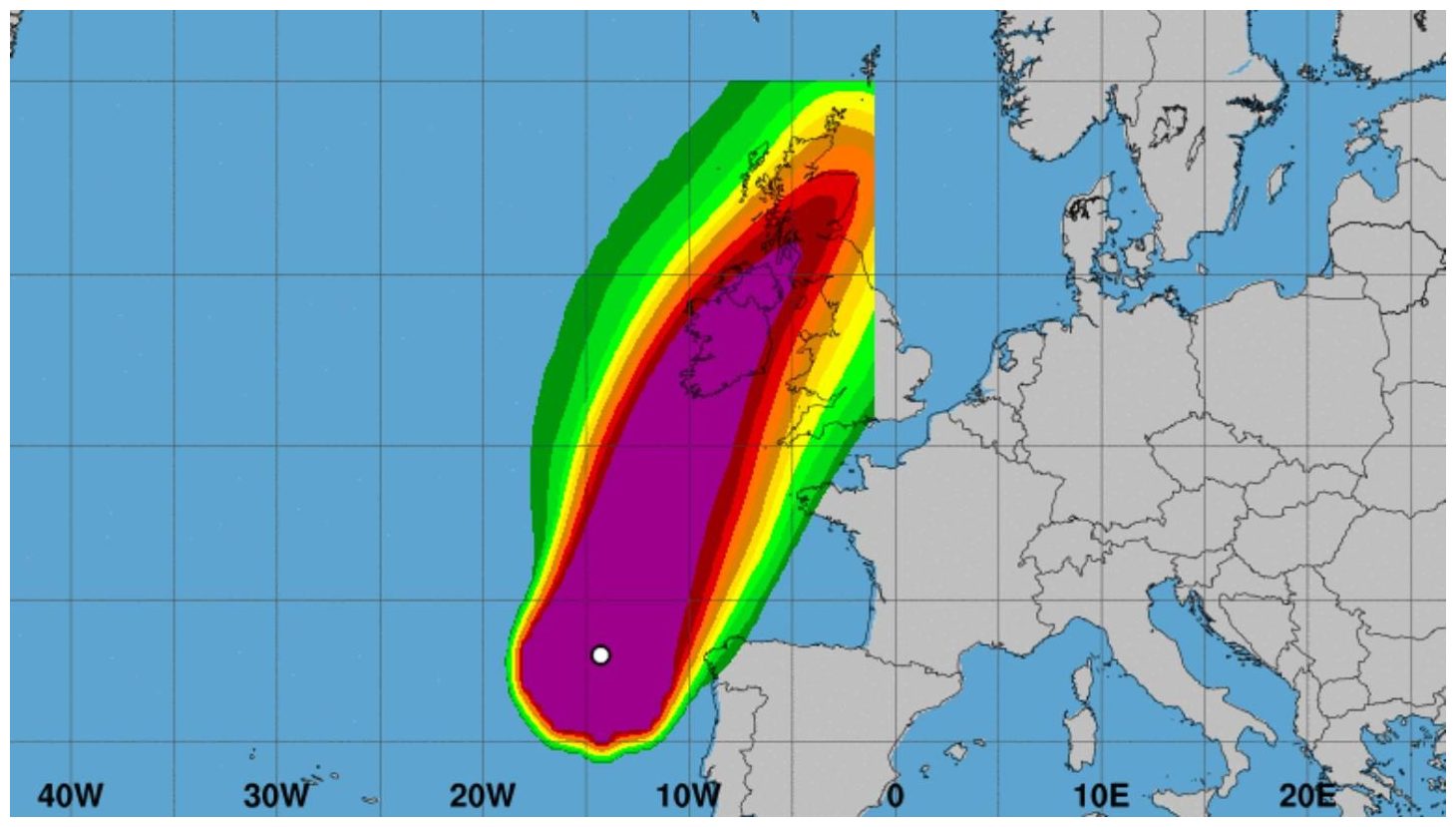
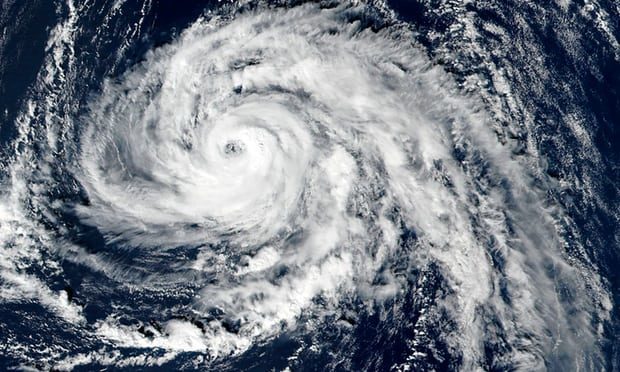
Authorities in both countries said that the strong winds from Hurricane Ophelia in the Atlantic Ocean and high temperatures fanned the fires.
Investigations were also focusing on human and criminal causes, with political leaders accusing 'terrorist arsonists' of starting the blazes.










Comment:
Update (17 Oct.)
At least 39 people have died in wildfires raging through parched farmlands and forests in Portugal and Spain. Authorities said they were still battling 60 blazes in Portugal and another 50 in Spain.
Portugal's government has asked for international help, as it still tries to recover from its deadliest fire on record in June. It has declared a state of emergency in territory north of the Tagus river, which is about half of its land mass.
Portugal's Prime Minister Antonio Costa declared a public emergency Monday, describing the fires as "devastating." He announced that all necessary means would be mobilized to fight the blazes. This has been a "dramatic year," he said, and promised action to prevent such large-scale fires in the future.
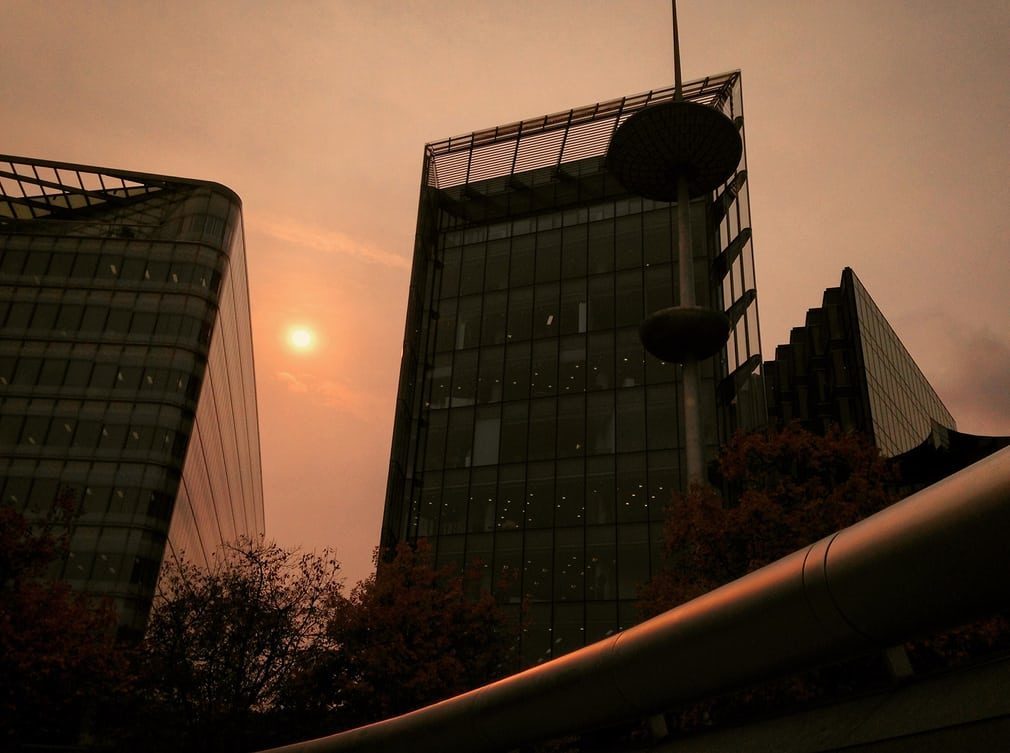
Flames ripped across countryside left tinder-dry by an unusually hot summer and early autumn, fanned by strong winds as remnants of ex-Hurricane Ophelia brushed the Iberian coast. Officials in Portugal and Spain said arsonists had started some of the blazes.
In June, 64 people died in a huge forest fire in central Portugal. The government has been criticised for a slow, inefficient response and a lack of fire-prevention policies.