
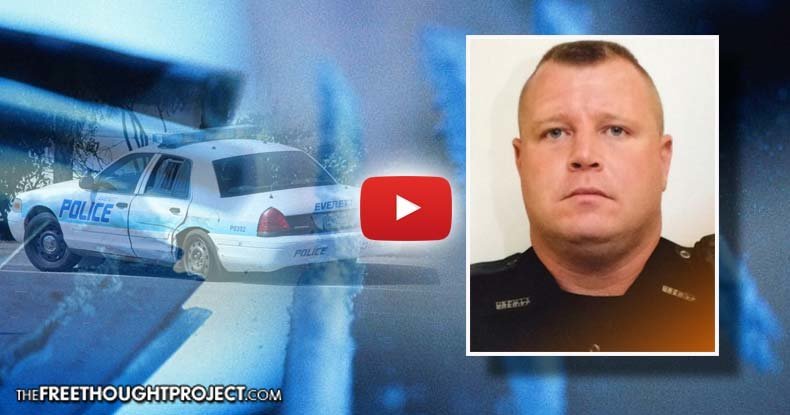
Sgt. Roger Dale Richmond Jr. of Shady Spring, 41, was taken into custody and charged with Driving Under the Influence of a Controlled Substance (DUI) and Unlawful Possession of a Controlled Substance, according to WVVA.
Police say Richmond, now a former sergeant, notified fellow officer, Lt. T.L. Miles, that he had been involved in a motor vehicle collision. Police say they were investigating skid marks at a nearby gas station when they followed fresh ruts in the embankment and dirt on the road. About a mile and a half down the road from the gas station, deputies found Richmond's marked patrol car smashed up at the entrance of Shady Spring Middle School. The front bumper had been torn off and the tire was entirely gone.
As police approached the vehicle, they saw an unconscious Richmond in the front seat. Upon further inspection, they noticed a short straw used for snorting crushed pills between his legs. Police also found that the front seat of the car was covered in a powdery blue substance.

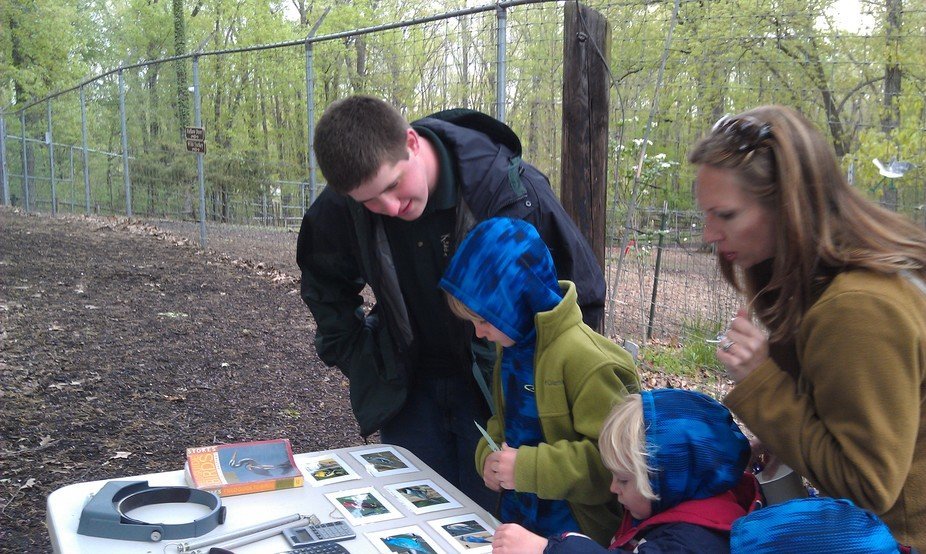


















Comment: Another reason the statistics may be going up for homeschooling is the growing concern among parents about the declining quality of American Education and the implementation of abysmal curriculums like Common Core.
Christopher Chase makes some important points about 'education systems' as a whole:
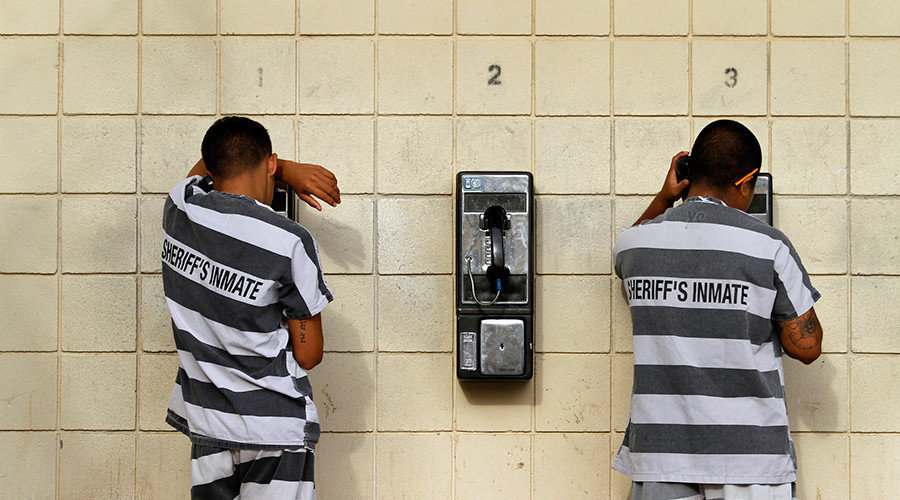
It's a Pink Floyd World - Welcome (back) to the machine - Kids