Puppet MastersS


Attention

Exclusive: Iran - Pakistan, what is really happening in the diplomatic front

Iran & Pakistan Talks
© Strategic Culture Foundation
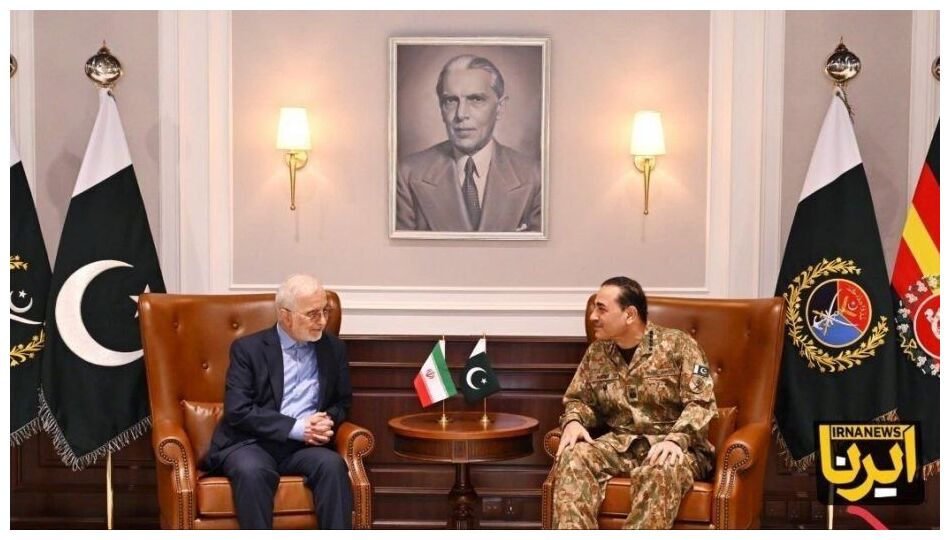
Earlier this week, Iranian Interior Minister Eskandar Momeni arrived in Islamabad leading a substantial delegation. By Tuesday, he had met Prime Minister Shehbaz Sharif, Field Marshal Asim Munir and his Pakistani counterpart, Mohsin Naqvi.

This was far from a routine border/security visit involving two neighbors. The key take away was the presence of the head of the National Iranian Oil Company (NIOC): that means that energy - as in the possible construction, finally, of the Iran-Pakistan (IP) gas pipeline - sanctions and cross-border trade were crucial items in the menu.

Now for the clincher. Momeni carried a special message from the Iranian leadership about the war. The Pakistanis went out of their way to say publicly that the Iranian delegation had arrived with "good news."

The question is how these "good news" were presented.

Before Momeni landed in Islamabad, Pakistan's leadership - civilian and military - was informed that he was hand carrying a letter from Leader Mojtaba Khamenei.

Yet after he arrived, Momeni informed the Pakistanis that he did not carry an actual letter; but he did bring a message from Mojtaba to the Pakistani leadership, fully supported by President Pezeshkian and Foreign Minister Araghchi.

The message covered many key issues of the Iran-Pakistan relationship and also the mediation by Pakistan between Tehran and the Trump presidency.

According to the message, Iran would consider accepting a 10-day pause on the current escalation ladder. But for that to happen Trump needs to start delivering the very moment Iran accepts the 10-day pause on all (italics mine) aspects of the 14-point Memorandum of Understanding (MoU).

Translation: no new negotiations. This, incidentally, happens to also be the Chinese position. The only thing that matters is to go back to the original MoU and fulfill its commitments.

Predictably, Trump rejected what was in the message, and Iran was informed by Pakistan of Trump's refusal to take the only off- ramp available to him. And this, according to the mediators, after the narcissistic megalomaniac had pestered Asim Munir with daily phone calls begging Munir to find this exact off-ramp.
Attention

The wear and tear of conflict: Ukraine, Europe, and the twilight of a great deception

NATO and Ukraine
© Strategic Culture Foundation
It Didn't Turn Out the Way They Said It Would

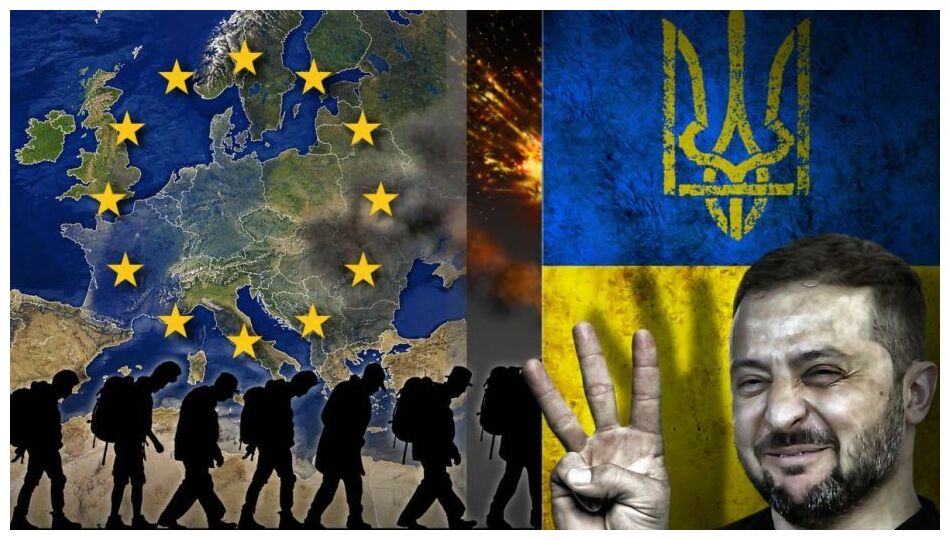
They had promised it would be over soon. They had promised there would be an epoch-making victory, defeating the "Kremlin dictator." They had said they would join NATO and the European Union. They had said it would be a great success.

But it didn't.

None of this has come to pass. Nothing that Volodymyr Zelensky's government promised has happened. It didn't turn out the way the powers that be in Washington, London, Rome, Paris, Berlin, and Brussels said it would. It didn't go well at all. And today, four and a half years after the conflict began, the real losers aren't the politicians, but the Ukrainian people.

Things unfolded in a truly unique way: not through a sudden collapse, but through a slow yet visible erosion on both the Ukrainian and European sides.

The narrative of the years 2022-2023, with its charge of civic heroism and collective resistance, held up as long as the war seemed to have a predictable horizon. That horizon has gradually receded. Cities hit by bombings targeting energy infrastructure still face electricity rationing that recurs season after season; the domestic economy, already hit by the loss of industrial territory in the Donbas and the southeast, relies largely on external transfers; and mobilization continues to drain the workforce from an already fragile productive sector, not to mention the violent opposition to recruiters who literally persecute citizens of draft age, forcing them to flee, rebel by force, or succumb.

Added to this is a factor that is less quantifiable but no less real: the psychological exhaustion of a population that has lived for years amid air raid sirens, the loss of family members at the front, and uncertainty about when and how this phase will end. The resulting discontent does not stem from a wavering commitment to the national cause, but from the growing gap between the sacrifices demanded and the tangible results achieved on the ground. It is a dynamic familiar to any society subjected to prolonged conflict: initial enthusiasm gives way, over time, to weary pragmatism, and then to an increasingly explicit demand for negotiated solutions — even imperfect ones.

Question

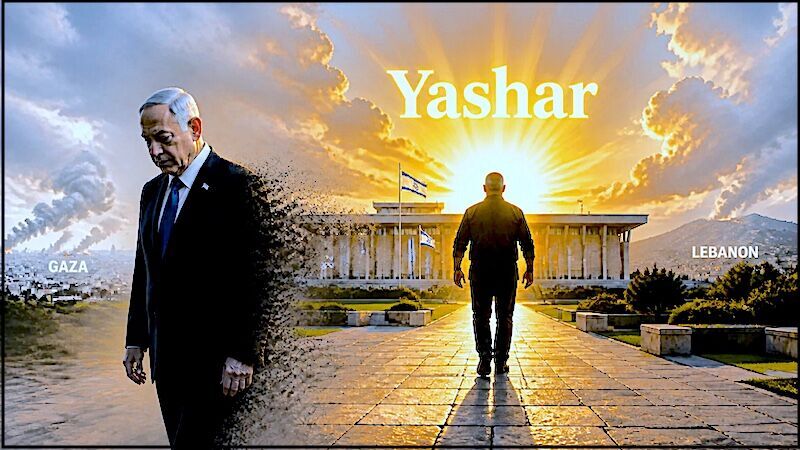
The fall of Israel's longest-serving leader: Is this the end for Netanyahu?

Netanyahu/Yashar
© UnknownNetanyahu becomes replaceable
Israel may be witnessing the twilight of Netanyahu's era as security failures, war fatigue, and the rise of the Yashar party erode his aura of indispensability. In geopolitics, leaders who build their legacy on security often fall when that very promise collapses.

In the world of geopolitics, even the strongest of leaders can be dethroned by just one crisis. For almost two decades, PM Netanyahu has held on as the leader of the Israelis. Considered to be the longest-serving prime minister of Israel, Netanyahu's foreign policy revolves around security and regional monopoly. However, now in 2026, he is facing serious political backlash. It seems like his policies are now backfiring, and the situation is getting out of hand.

From domestic political circles to the international ones, hatred against Netanyahu has been increasing at an alarming rate. Whether it's the October 7 attack or the recent war with Iran, Israel has been caught in a protracted conflict where it has become too costly to win the war. Is Israel witnessing the end of Netanyahu's era, or is he preparing for a bigger comeback? The unfolding of Israel's domestic circumstances would direct the ultimate result.

SOTT Logo Radio

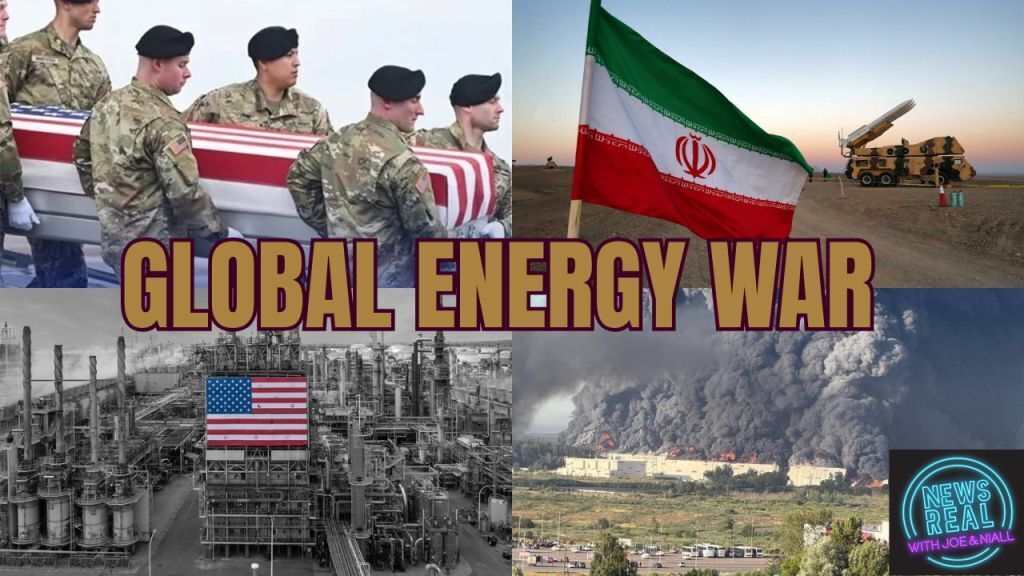
SOTT Focus: NewsReal: From EuroMaidan to 'Regime Change' in Iran: The Genesis of Today's Global Energy War

oil gas war iran ukraine newsreal
© Sott.net
Barely 3 weeks old, the 'Memorandum of Understanding' between the US and Iran appears to have come to an end. The US military is targeting Iranian military and civilian sites daily, while Iran is attacking US bases and other assets across the Middle East.

That this is occurring at the same time that Russia's energy exports suffer significantly due to 'Ukrainian' drone waves means the immediate, short-term winner is... American energy companies. Trump wants this of course, and is mindful of not going too far and sparking 'bedlam' in the global energy market by pinching it too tight.

But is it his 'power' to wield? Could this run away from him?


Running Time: 01:50:22

Download: MP3 — 101 MB


Nuke

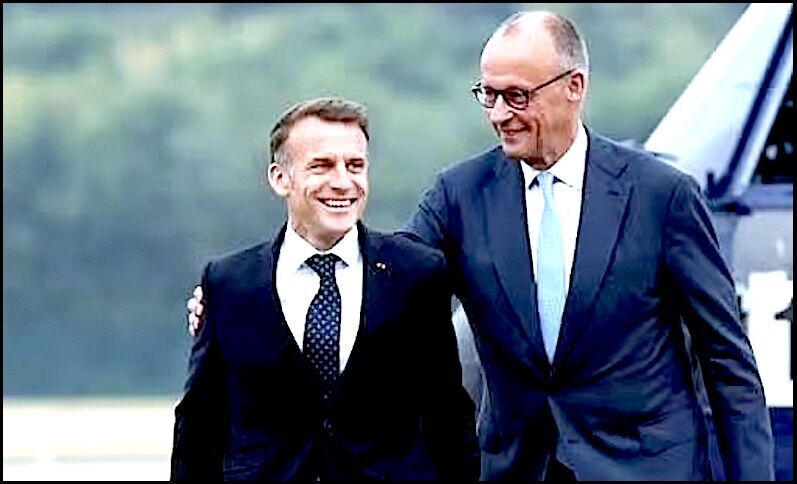
Germany to join French nuclear exercise, deepening 'Counter-Russia' deterrence

Macron Merz
© picture alliance/dpaFrench President Emmanuel Macron • German Chancellor Friedrich Merz • Nörvenich Air Base
In the latest development related to what some analysts have called the 'new Cold War' and nuclear saber-rattling between Russia and the West, Germany and France are planning a major nuclear exercise later this year.

The atomic drills were announced Friday, after a joint top-level meeting of the French and German governments near Cologne. "Alongside this work on a shared doctrine, German conventional forces will this year take part in a nuclear exercise of the French military," German Chancellor Friedrich Merz unveiled.

He detailed while at a press event alongside French President Emmanuel Macron that a "strategic steering group" established by the leading European allies would continue looking at deterrence in the future, with an eye on Russia.

"This is complementary to our nuclear participation and deterrence within NATO, which we still hold to," he added. He also previewed "a maneuver in the autumn held on the initiative of France" - while speaking of the Ukraine war.

"We will clarify together what form exactly this participation will take," he said.

Explosion

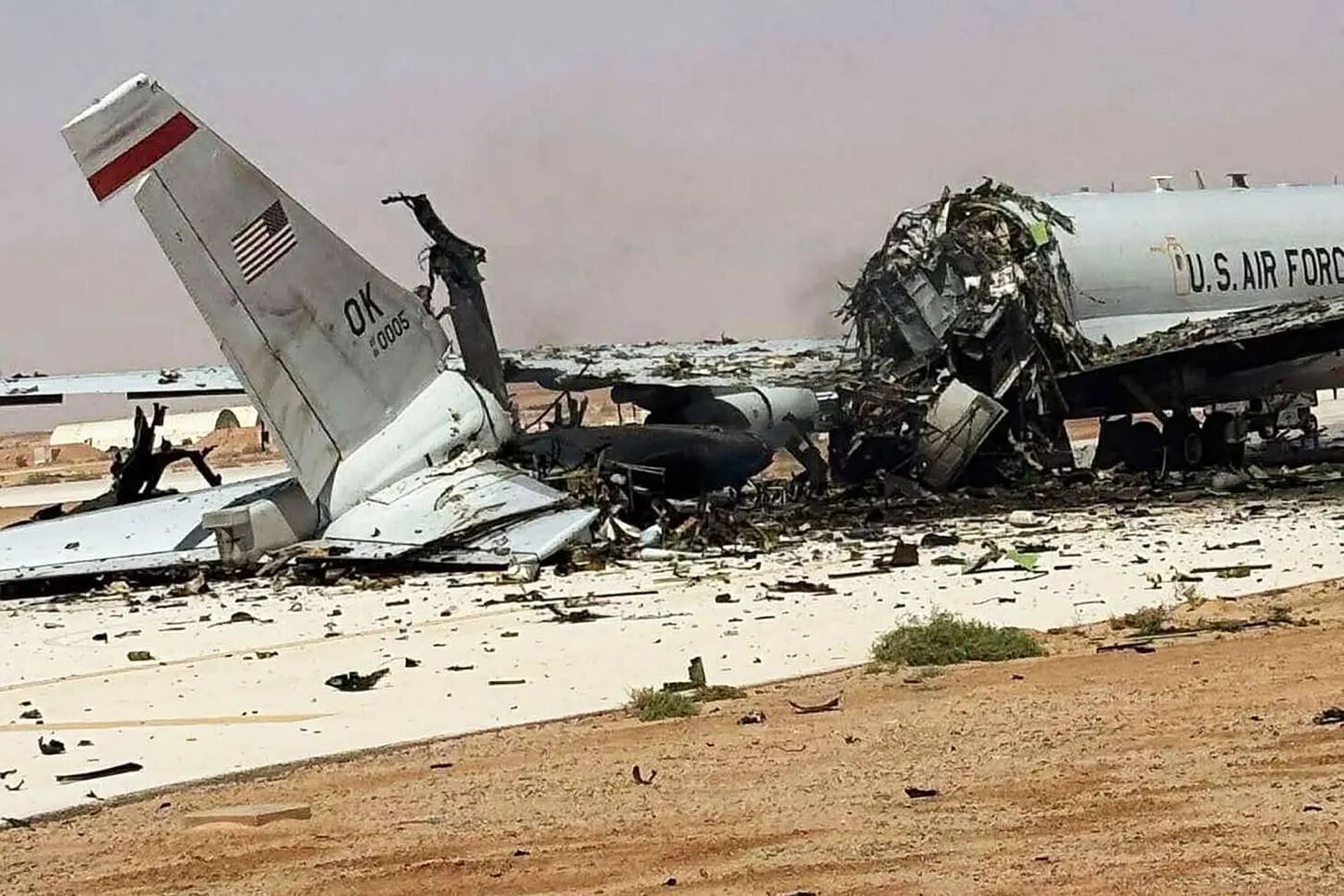
Best of the Web: Debasification: Iranian Air War Strategy

us plane bombed Iran
Over the past few days, the US/Israeli/GCC ("US Axis" from here on) war against Iran has reached a pace not seen since the opening hours of the conflict. Waves of Iranian missiles and drones have been striking targets across the region, with an apparent shift in target selection concentrating unprecedented amounts of Iranian firepower against Kuwait and Jordan.

The war between the US Axis and Iran can be arbitrarily divided into several theaters. There's the war for control over the Strait of Hormuz, countervalue strikes against infrastructure, Iran's campaign against Kurdish proxies staging for ground operations on its western flank, and so on. Today we'll be focusing on a narrow slice of the conflict: the air war, with IRGC missile and drone forces (IRGCASF) on one side and the USAF, IAF, and GCC air forces on the other. As we'll see, this theater of the war has profound implications that cut across all other areas of the conflict.

Question

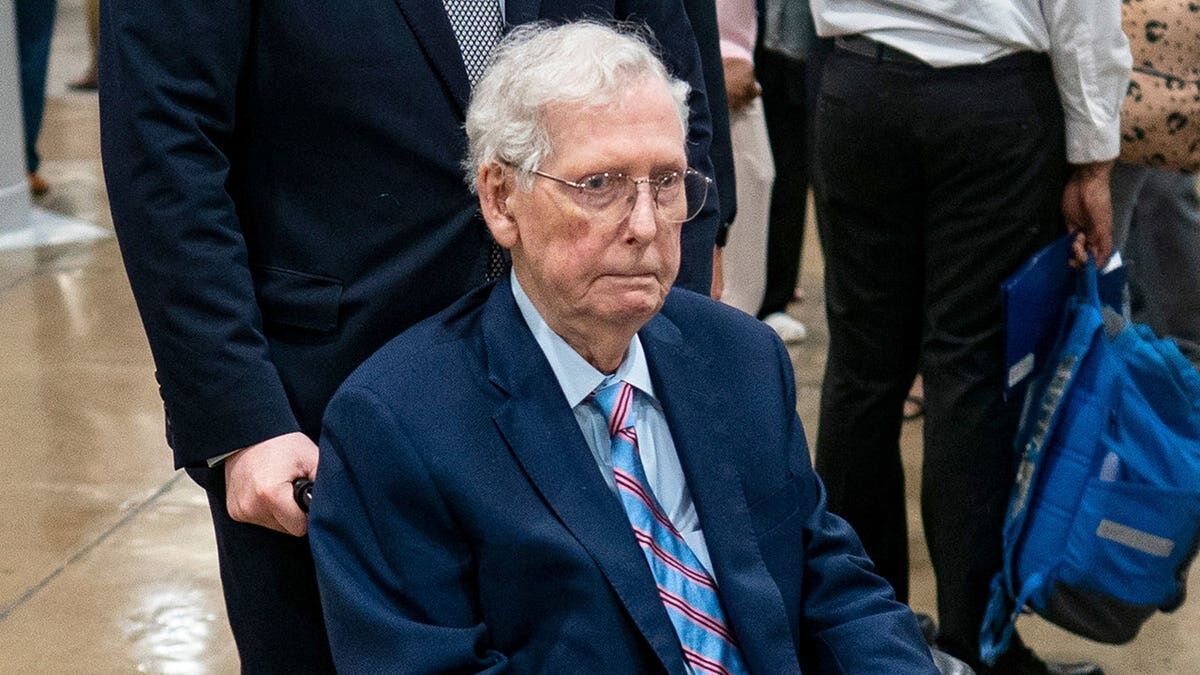
Schrödinger's McConnell: Kentucky governor says he had 2 calls from agencies saying senator had 'passed'

mitch mcconnell wheelchair
© Al Drago/Bloomberg via Getty ImagesSen. Mitch McConnell, R-Ky., in the Senate Subway at the U.S. Capitol in Washington, D.C., May 19, 2026.
Beshear revealed the calls in an interview, though he did not specify which agencies contacted him

Kentucky Gov. Andy Beshear said this week that he received two calls from agencies suggesting Sen. Mitch McConnell, R-Ky., died while he was in the hospital.

In an interview with Katie Couric uploaded to YouTube on Thursday, Beshear, a Democrat, did not specify which agencies called him with the news or when the calls were made.

"In fact, I'd gotten two calls from different agencies, not state agencies, suggesting he'd passed," said Beshear, who has served as governor since December 2019.

Fox News Digital reached out to Beshear and McConnell's offices for comment.

Comment:


Cardboard Box

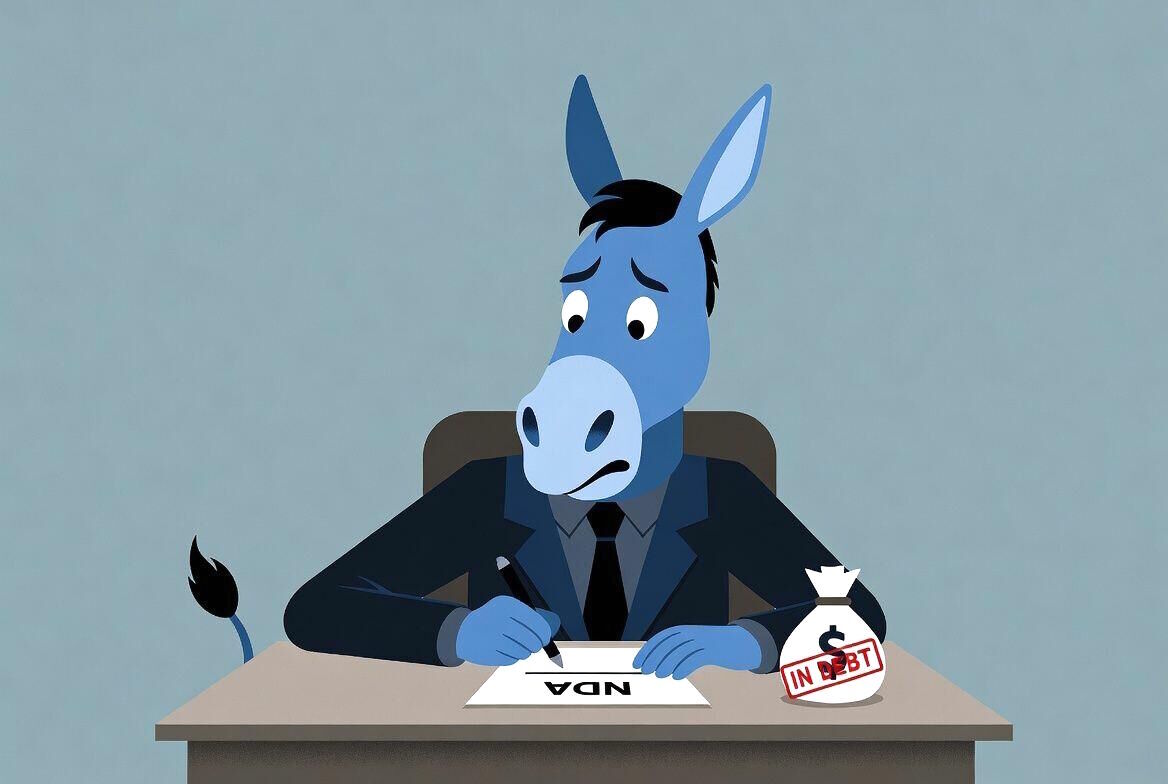
Democrats' coffers emptier than they're letting on

democrats no money non disclosure debt
The Democratic Party's money problems have been an open secret for months. Federal Election Commission filings from around six months ago showed the Democratic National Committee entering the final stretch of last year with barely $12 million in its campaign account and nearly $16 million in debt, most of it stemming from a loan the committee took out the previous month. Donations had slumped just as the party needed them most.

Since then, the political environment has arguably been extremely beneficial for Democrats, with President Donald Trump's low approval ratings, the war with Iran, and high gas prices. Any one of those should have been enough to give the party the momentum necessary to get them out of their financial slump. Now, instead of turning the financial picture around, the DNC appears to be doing something stranger: hiding it.

Arrow Down

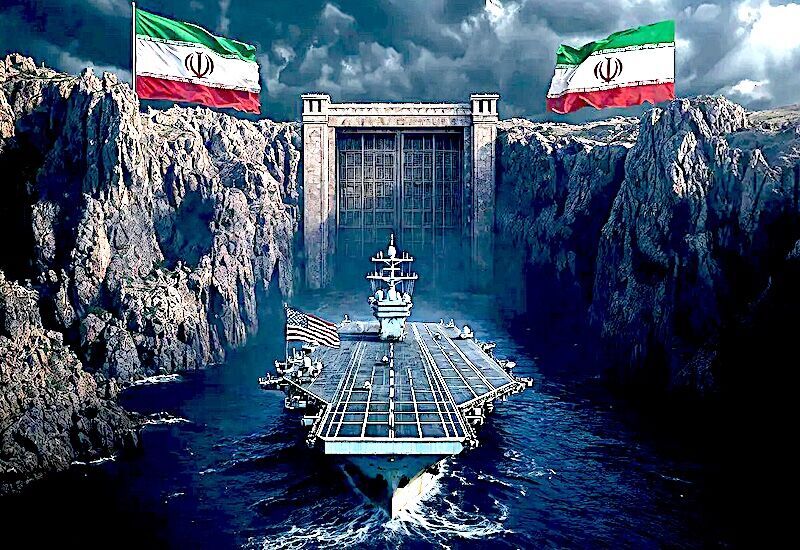
"Ceasefire is over": Why America still cannot secure the Strait of Hormuz

US Ship Strait of Hromuz
© UnknownStrait of Hormuz
The US's tactical military successes in the Strait of Hormuz do not solve the strategic problem, as Iran uses asymmetric tactics, turning US military dominance into an endless and costly conflict with no clear political outcome.

Every American strike around the Strait of Hormuz appears militarily successful. Precision weapons hit their targets. U.S. airstrikes on Iranian targets destroyed radar installations, missile batteries and drone facilities. The Pentagon declares another degradation of Iran's capabilities. Yet every successful strike leaves the underlying strategic problem untouched. Iran still threatens the Strait. It still retains the ability to escalate at relatively low cost. And the United States still finds itself launching another round of strikes, without a clear endgame.

The latest escalation, which began on July 6 and intensified throughout the week, followed a familiar pattern. After Iranian forces were accused of attacking commercial vessels near the Strait, Washington launched a swift military response. President Donald Trump declared the June ceasefire "OVER" on July 10, yet simultaneously confirmed that US negotiators would continue talking to Tehran. Trump's contradictory statements merely exposed a deeper structural problem: Washington increasingly relies on military signaling while simultaneously avoiding the political consequences of escalation.

Comment: Iran deftly defies the odds given American pattern recognition.


Target

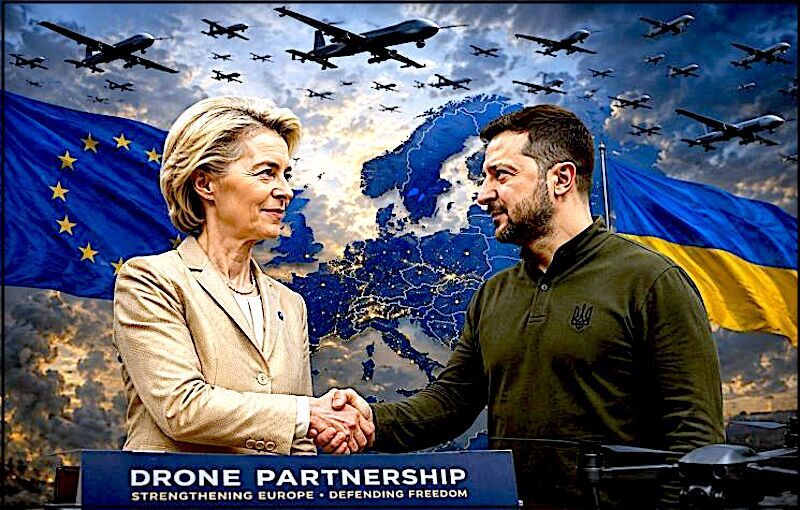
Von der Leyen paints target signs on Europe with Ukraine drone pact

Ursula von der Leyen/Zelensky
© SCFEuropean Commission President Ursula von der Leyen • Ukraine leader Volodymyr Zelensky
This is not sleepwalking into war. The European elites' eyes are wide open and crazed.

The European Union has officially joined the war effort against Russia. This week, European Commission President Ursula von der Leyen signed a "historic pact" with Ukraine to integrate the production of combat drones to strike Russia.

According to Euronews reporting, the pact also envisages the joint production of ballistic missiles. This scaled-up war effort will be funded by the €90 billion loan that the EU is releasing to Ukraine. A bill that will be paid for by generations of European taxpayers.

Von der Leyen was greeted in Kiev by Ukraine's unelected martial-law president, Vladimir Zelensky.

That makes two people who do not have a democratic mandate making decisions that are driving Europe to all-out war with Russia. Von der Leyen is a political appointee. She is not elected by popular ballot. Formerly, she was Germany's Minister of Defense, and not a particularly bright one either. Dogged by corruption scandals and abuse of power over procuring Covid-19 vaccines from Big Pharma, von der Leyen is an exemplar of "failing upwards."

Comment: Delusional. If Europe starts the war, Russia will finish it.