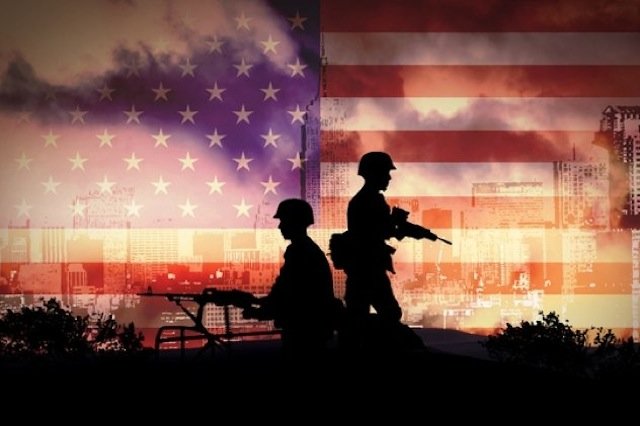
© Listverse
Here's my twenty-first-century rule of thumb about this country: if you have to say it over and over, it probably ain't so. Which is why I'd think twice every time we're told how "exceptional" or "
indispensable" the United States is. For someone like me who can still remember a moment when Americans assumed that was so, but no sitting president, presidential candidate, or politician felt you had to say the obvious, such lines reverberate with defensiveness. They seem to incorporate other voices you can almost hear whispering that we're ever less exceptional, more dispensable, no longer (to
quote the greatest of them all by his own estimate) "the greatest." In this vein, consider a
commonplace line
running around Washington (as it has
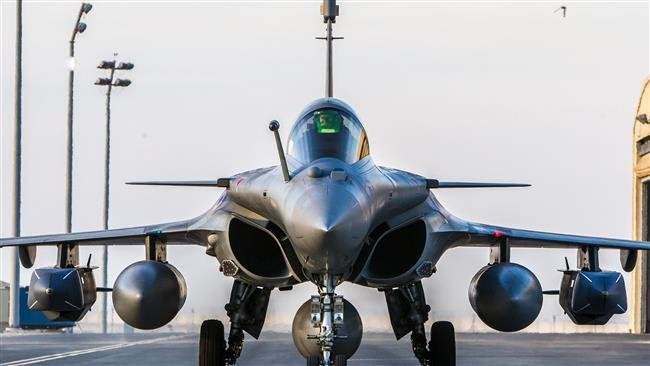
for years): the U.S. military is "the finest fighting force in the history of the world."
Uh, folks, if that's so, then why the hell can't it win a damn thing 14-plus years later?If you don't mind a little what-if history lesson, it's just possible that events might have turned out differently and, instead of repeating that "finest fighting force" stuff endlessly, our leaders might actually believe it.After all, in the wake of the 9/11 attacks, it took the Bush administration only a month to let the CIA, special forces advisers, and the U.S. Air Force loose against the Taliban and Osama bin Laden's supporters in Afghanistan. The results were crushing. The first moments of what that administration would grandiloquently (and ominously) bill as a "global war on terror" were, destructively speaking, glorious.
If you want to get a sense of just how crushing those forces and their Afghan proxies were, read journalist Anand Gopal's
No Good Men Among the Living: America, the Taliban, and the War Through Afghan Eyes, the best book yet written on how (and how quickly) that war on terror went desperately, disastrously awry. One of the Afghans Gopal spent time with was a Taliban military commander nicknamed -- for his whip of choice -- Mullah Cable, who offered a riveting account of just how decisive the U.S. air assault on that movement was. In recalling his days on the front lines of what, until then, had been an Afghan civil war, he described his first look at what American bombs could do:
"He drove into the basin and turned the corner and then stepped out of the vehicle. Oh my God, he thought. There were headless torsos and torso-less arms, cooked slivers of scalp and flayed skin. The stones were crimson, the sand ocher from all the blood. Coal-black lumps of melted steel and plastic marked the remains of his friends' vehicles.
"Closing his eyes, he steadied himself. In the five years of fighting he had seen his share of death, but never lives disposed of so easily, so completely, so mercilessly, in mere seconds."
The next day, he addressed his men. "Go home," he said. "Get yourselves away from here. Don't contact each other."
"Not a soul," writes Gopal, "protested."



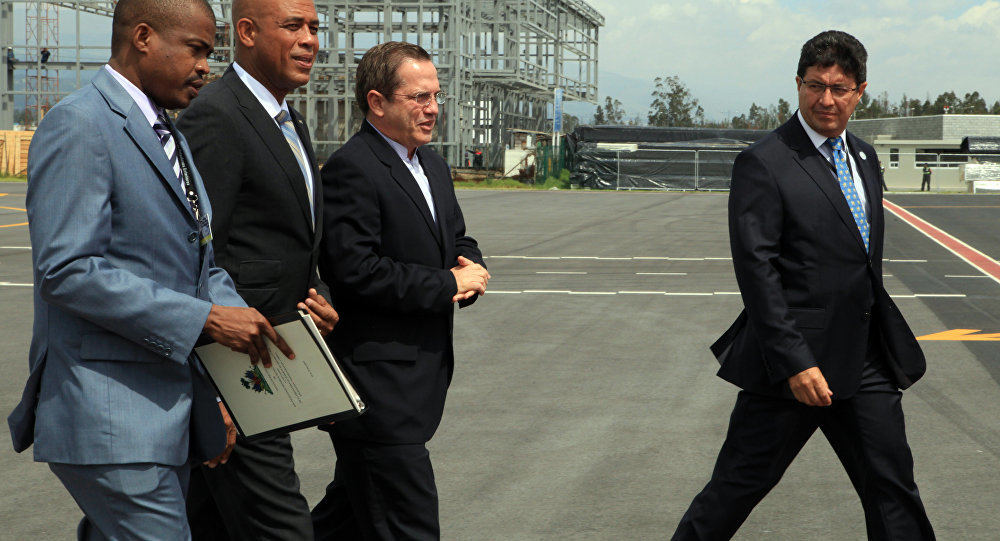








Comment: Haiti is completely fed up with the amount of suffering they've had to endure while Martelly and other corrupt officials live 'high on the hog,' showing absolutely no desire to improve the lives of the people.