There's more hype than evidence in the paper's claims that Moscow orchestrates politics in Europe and America.August 14's
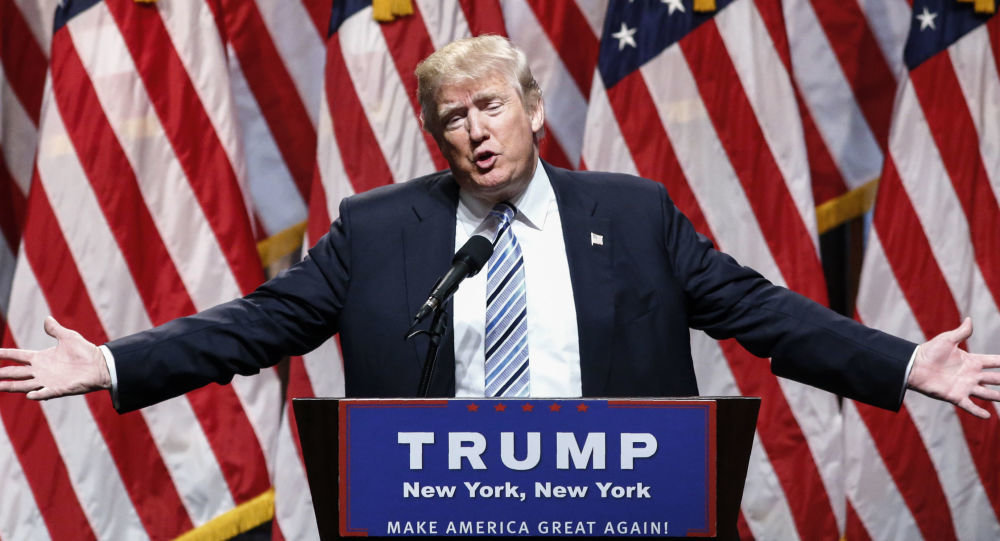
Washington Post print edition featured news articles, op-eds, an editorial, and three letters to the editor all attacking Donald Trump. And the paper's other
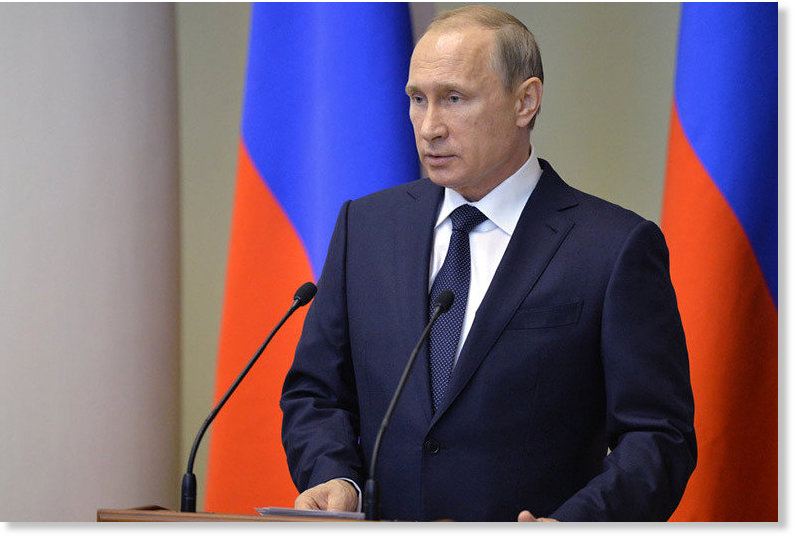
bête noire, Vladimir Putin, was featured in the front-page lead story as well as in an op-ed. On the preceding Friday, Putin had been attacked in an editorial for allegedly seeking to start a war in Ukraine.
Trump is running for president and certainly has dropped enough verbal bombs to justify many of the attacks against him. But there is a certain danger inherent in the media's slanting its coverage to such an extent as to be making the news rather than just reporting it. And
when it comes to Russia, the way the stories are reported becomes critically important, as there is a real risk that
media hostility toward Putin, even if deployed as a way to get at Trump, could produce a conflict no one actually wants—just as the Hearst and Pulitzer newspapers' yellow journalism,
rife with "melodrama, romance, and hyperbole," more or less brought about the Spanish-American War.
As a case in point, examine the aforementioned
front-page story, entitled "Russia's Tactics Roil Europe" in the print edition and "Alleged Russian involvement in DNC hack gives U.S. a taste of Kremlin meddling" online. It is credited to Michael Birnbaum, the
Post's correspondent in Brussels.
In its lead-in,
the article claims that "Russia has tried hard in recent years to tug Europe to its side, bankrolling the continent's extremist political parties, working to fuel a backlash against migrants and using its vast energy resources as a cudgel." It goes on to relate that "Obama administration officials say that the Kremlin may now be engaging in similar trickery in the U.S. presidential campaign in an effort to boost Russia-friendly Republican nominee Donald Trump."














Comment: Would Trump also employ a 'deportation force' to expel these immigrants as he previously pledged? Will xenophobia make America great again?