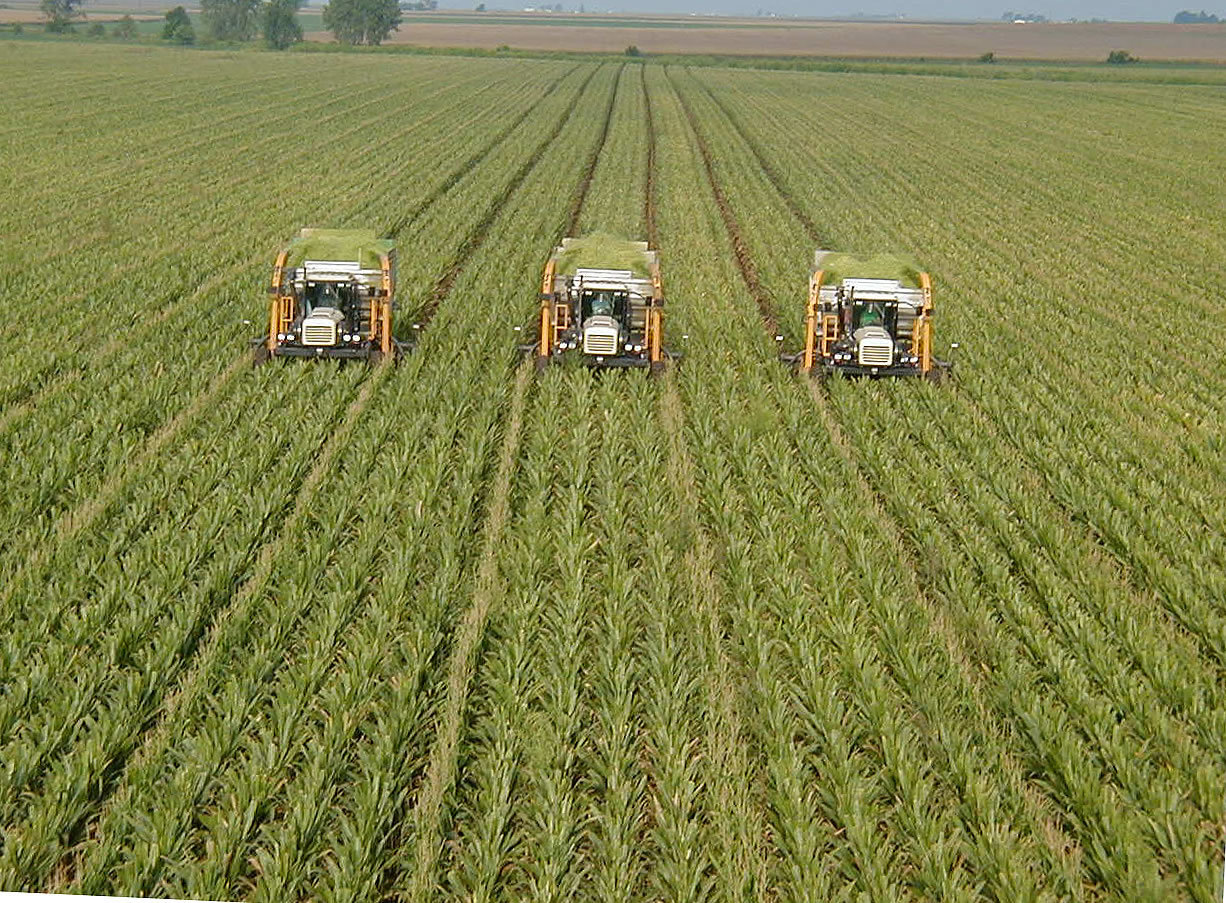
The concentration and centralization of the agro-business multi-nationals advances with gigantic strides: Potash Corp and Agrium have combined into a $30 billion monopoly over the world fertilizer market. Dow Chemical and DuPont combine in a $130 billion dollar deal in the seed and agricultural chemicals sector. ChemChina prepares to take over Syngenta in a $44 billion acquisition. Bayer is preparing to buy out Monsanto for $56 billion and further concentrate control over worldwide seed and chemical markets.
A quarter of a trillion dollars worth of mergers and acquisitions is poised to concentrate control of global agriculture prices, profits and markets in four directorates. Parallel to the corporate capitalist drive for world domination, the White House has embarked on a full-scale trade and maritime war against China.This essay presents the political and social implications of the agro-business counter-revolution and the concomitant US drive to encircle and enclose China's market.
Agro-Business Monopolies and Social RevolutionThis process of agri-business monopolization will have a major impact on farmers, consumers and environmentalists worldwide. Seed and fertilizer prices will rise, devastating farmers' income and resulting in ever more bankruptcies. Nitrogen and potash, the two biggest fertilizer inputs for farmers, will be controlled by a monopoly cartel. Farmers will have no choice - either market response or political struggle. In other words, they can try to raise food prices or organize a revolt against the cartels.
In the imperial countries, national populist movements have emerged, especially in the countryside, small towns and cities: farmers, ecologists and consumers take to the streets while urban mass opposition, responding to rising food costs, are gaining momentum.
Throughout Asia, Africa and Latin America, the agro-business control of chemical and seed inputs raises the debt burden on peasants and farmers while contaminating food with pesticides and provoking food riots and land occupation movements.
The impact of food insecurity, including debt and malnutrition, undermines community and family cohesion. This is the context in which armed insurgents have emerged, including the Islamist movements in the Middle East, North Africa and West Asia, gaining credibility and followers among the millions of dispossessed.














Comment: More on the manipulation of the MH17 investigation: Dutch experts refused to see Russian MH17 experiments and analysis, wrong about key parameters of crash