© Strategic Culture Foundation
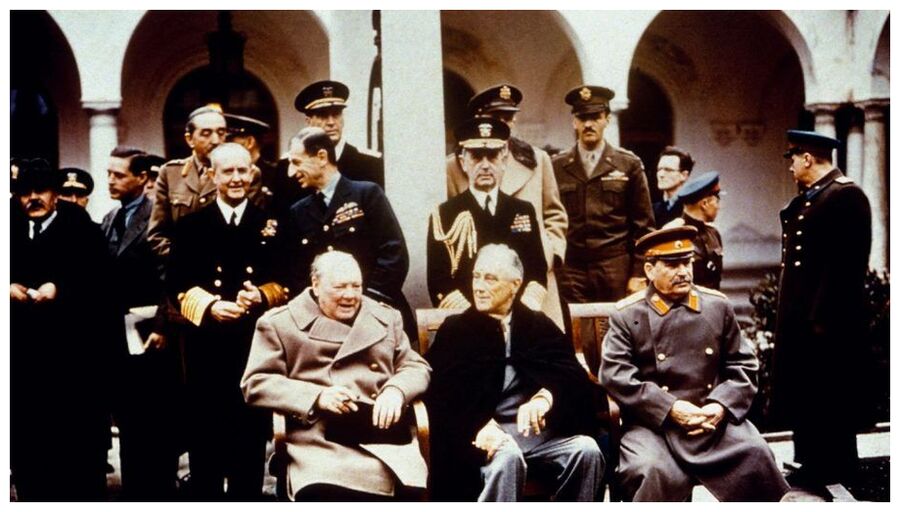
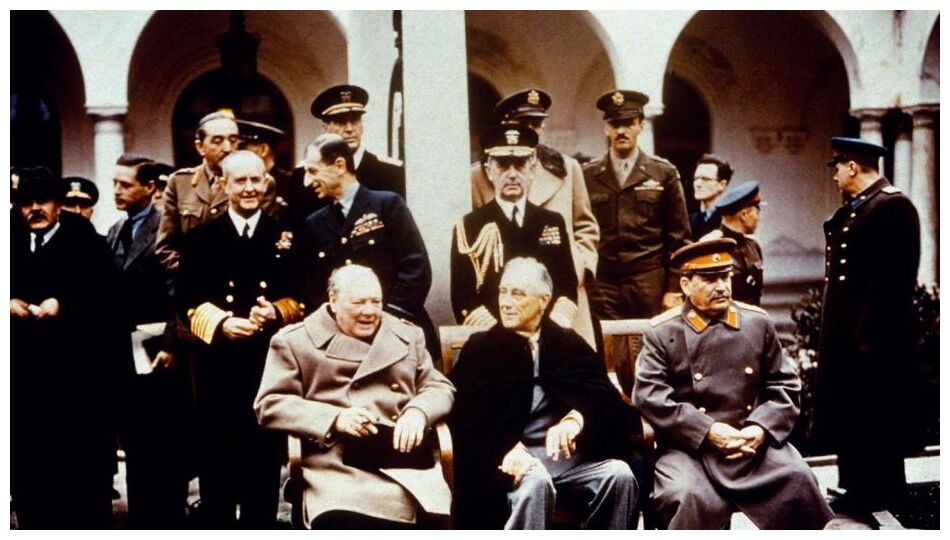
Eighty years ago this week, the leaders of the three big wartime allies held the Yalta conference in Crimea. Josef Stalin, Franklin D Roosevelt and Winston Churchill gathered, along with their delegates, in the Black Sea resort to agree on the postwar international order. (Nobody questioned that Crimea was then Russian territory!)
The conference was held from February 4 to 11. Nazi Germany and imperialist Japan had still not yet been formally defeated. But the allied leaders knew the Axis powers were finished, and the order of business was to establish postwar peace.
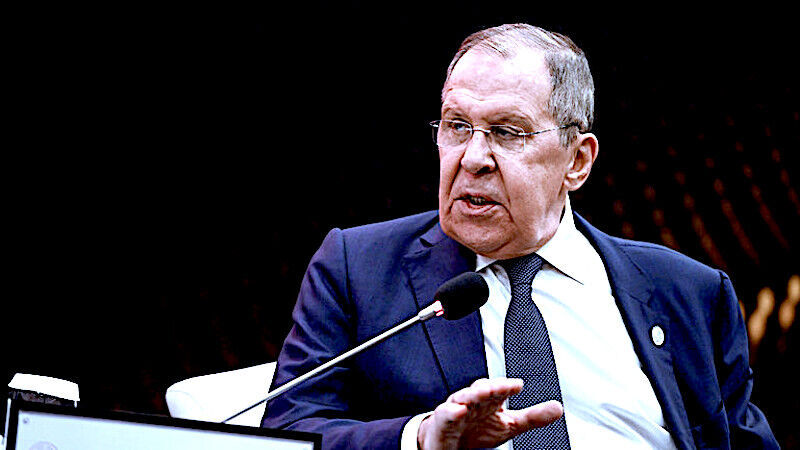
This week, Russia's Foreign Minister, Sergei Lavrov, published an eloquent
article reflecting on the legacy of the Yalta summit. As Lavrov noted, the historic meeting created the foundations and tenets of the United Nations and the UN Charter, which were established later that same year.
However, even as the U.S. and British leaders were signing the agreements on the postwar settlement with Russia, they were using "disappearing ink" - as Lavrov wryly put it.The Western powers had a hidden agenda while at Yalta. The war against Nazi Germany was already largely a matter of Soviet victory over the Third Reich. The Red Army was a mere 65 kilometers from Berlin, while the Americans and British had only just reached the far-off Western borders of Germany. Soviet troops had already liberated Bulgaria, Romania, the Baltics and Poland and the Nazi death camps at Auschwitz, Treblinka, Belzec, Chelmo, Sobibor and Treblinka.
Roosevelt wanted to obtain a commitment from Stalin to enter the Pacific War to press the defeat of Japan. No sooner had the Soviet Union launched an offensive against Japanese forces in Manchuria in August, when President Harry Truman, the successor to Roosevelt who died in April, ordered the dropping of two atomic bombs on Japan.
It was a calculated use of the new awesome weapons to intimidate Moscow - and an early warning notice of the Cold War to follow.










Comment: Pakistan's opposition parties dispute elections: