© Kevork’s Newsletter
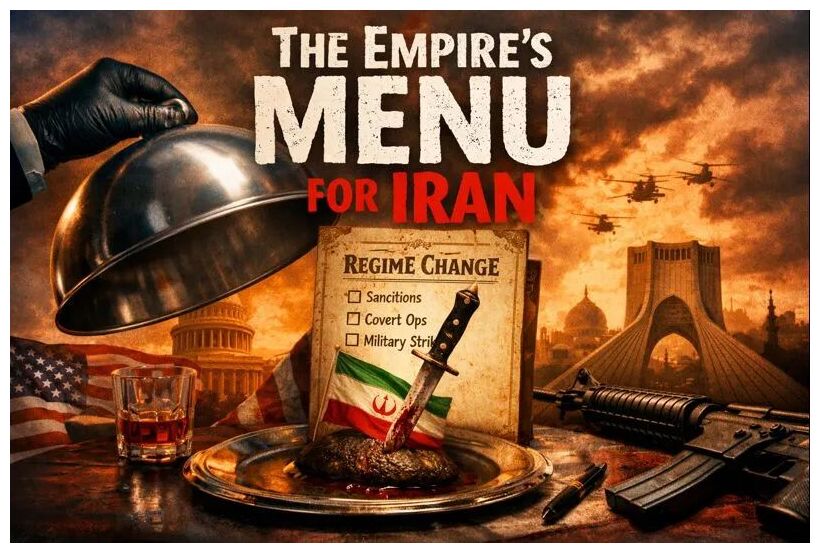
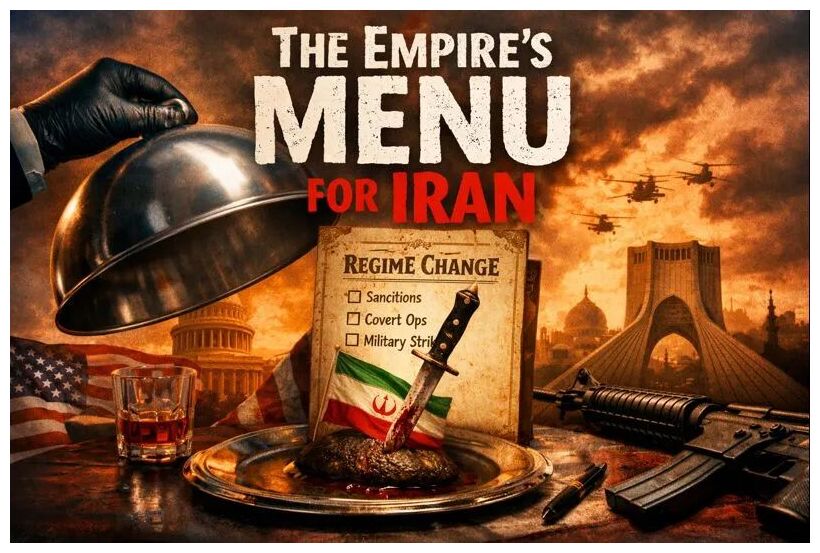
When people ask me why I don't trust Washington's "diplomacy" with Iran, I usually answer with history.
In 2009, the Saban Center at Brookings published a
strategy paper with a title that reads like a travel brochure and functions like a regime change recipe:
Which Path to Persia? Options for a New American Strategy toward Iran. The premise is straightforward: Iran is hard, American policy has been unimpressive, and therefore Washington must consider a range of tools — diplomatic, military, and covert —
to force Tehran into compliance or change its regime.What matters is not only what the paper proposes, but what it normalizes.
It lays out "nine discrete approaches" and groups them into bundles: "Persuasion" (carrots and sticks), "Engagement" (accommodation), military options (invasion, airstrikes, and even encouraging Israeli strikes), regime change options ("colour revolution," "insurgency," "coup"), and finally "containment."
This think-tank language is polished enough to be read on Sunday morning in Washington, while describing pathways that, in
plain English, amount to coercion, sabotage, and war.The paper even admits what every serious observer knows but polite Western discourse tries to hide: the best American strategy, it argues, would "combine several" options into an "integrated policy," pursued sequentially or simultaneously.
In other words, Washington does not choose between diplomacy and pressure. It uses diplomacy as pressure, and pressure as the background music for diplomacy.This is why I keep returning to the "gang" metaphor. Empires do not act like philosophical debating societies.
They act like syndicates: negotiate when convenient, punish when necessary, and keep alternative methods ready in the drawer.When I spoke with Firas Modad, we started from this same reality. We discussed the new U.S. approach to regime change that does not require occupying a country and rebuilding it from scratch. Instead, you decapitate the leadership and do business with whoever remains inside the structure. Take Venezuela, for example: kidnap Maduro, keep the state, keep parts of the regime, just change the terms of loyalty and the direction of policy.

















Comment: Orban's intransigence is the only thing standing between the Hugarian people and complete subordination to Queen Ursula and the EU technocrats. Yes, with that comes (maybe) unfreezing the funds being witheld as punishment for Orban's independence. Are Hungarians willing to be bribed so easily? Ask Greece how well switching to the euro currency went. Ask every other EU member country how well the diktat for open borders is going.