
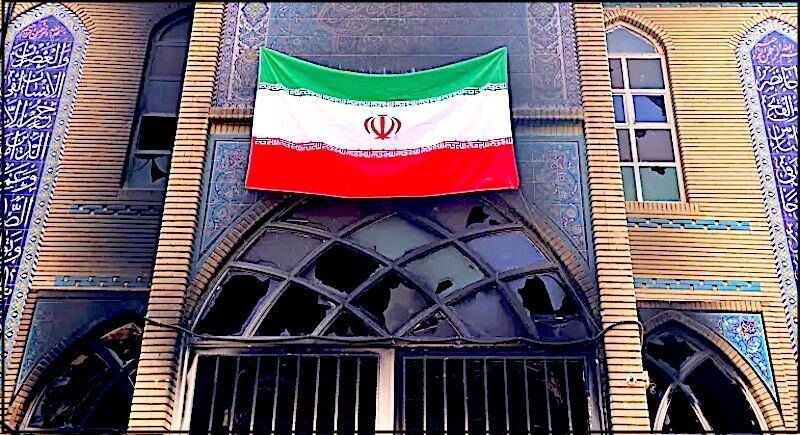
© AFPBeheshti Mosque damaged during public protests in Tehran on January 21, 2026
Protests in Iran have petered out. Tens of thousands have been arrested. And those accused of supporting the unrest have had business assets seized and are being pursued on "terrorism" charges. The authorities - for now - have reasserted control.
Yet, in the shadow of the apparent calm, the very same grievances that sparked the unrest remain, leaving Iran with little choice but to make tough compromises to win sanctions relief and fix the economy or face further upheaval, experts say. With a battered economy, a weakened network of regional allies and the looming threat of a US attack, Iran is at a crossroads.
Director of the Iran Project at the International Crisis Group, Ali Vaez says:
"This is not a stable status quo - it's just not tenable. I am not predicting that the system will hit rock bottom tomorrow, but it's in a spiral and from this point on, it can only go down if it refuses to change."The recent demonstrations erupted in late December when protests over a currency collapse morphed into a nationwide upheaval calling for the overthrow of the Islamic republic - Iran's system of governance. The authorities' response led to one of the most violent confrontations since the country's 1979 revolution.











Comment: 'None so blind as those who will not see.'