
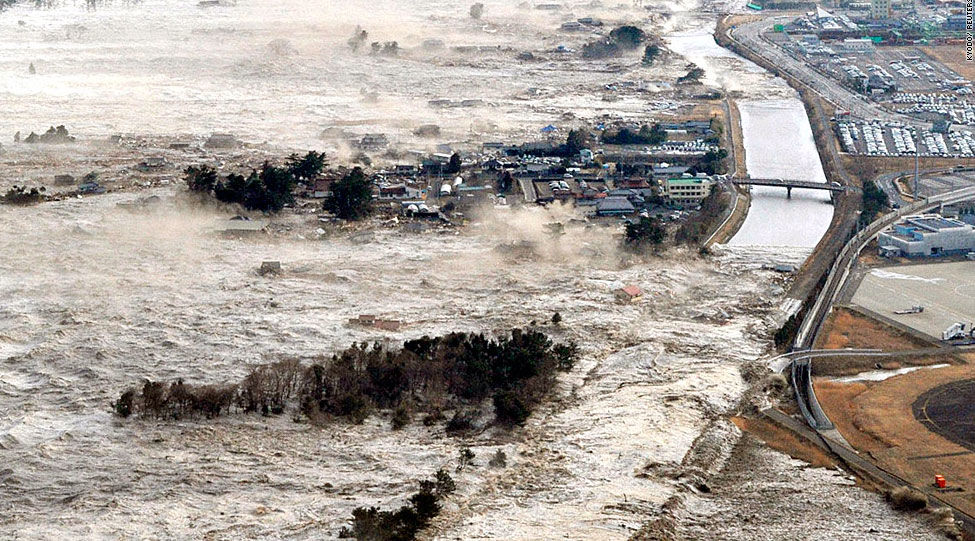
The 2011 tsunami in Japan was just part of the warm-up routine. The Really Big Show has yet to begin in earnest...
Over the past three years, Pakistan, for example, has been hit by dozens of earthquakes. In March 2005, 80,000 people died under the rubble there. On October 30, the last time nature went on the rampage, there were hundreds of victims. Tens of thousands of people drowned during an overwhelming Asian tsunami at the end of 2004. China and Afghanistan have been rocked by quakes again more recently.
These natural disasters, which have swept our planet in recent years, indicate that the world has entered an era not only of a political, but also of climatic instability. Most scientists - biologists and environmentalists - tend to blame the human race for the catastrophic climate change on the Earth. No doubt, the greenhouse effect due to industrial activity plays a considerable role in global warming, but there are other reasons worth considering.
The Earth is rotating around its own axis slower. The International Earth Rotation Service has regularly added a second or two to the length of a 24-hour day in recent years.













Comment: An intriguing article, and very much in line with Sott.net's research over the years. It makes us wonder if Russian-Chinese plans to develop the relatively uninhabited Eurasian interior are being made with this kind of research in mind?
As for the overall model put forward by this Russian scientist, 'Earth-as-electrical-machine' suggests that all planets in the solar system together form a circuit. And, indeed, we observe 'Earth changes' on our nearest neighbours.
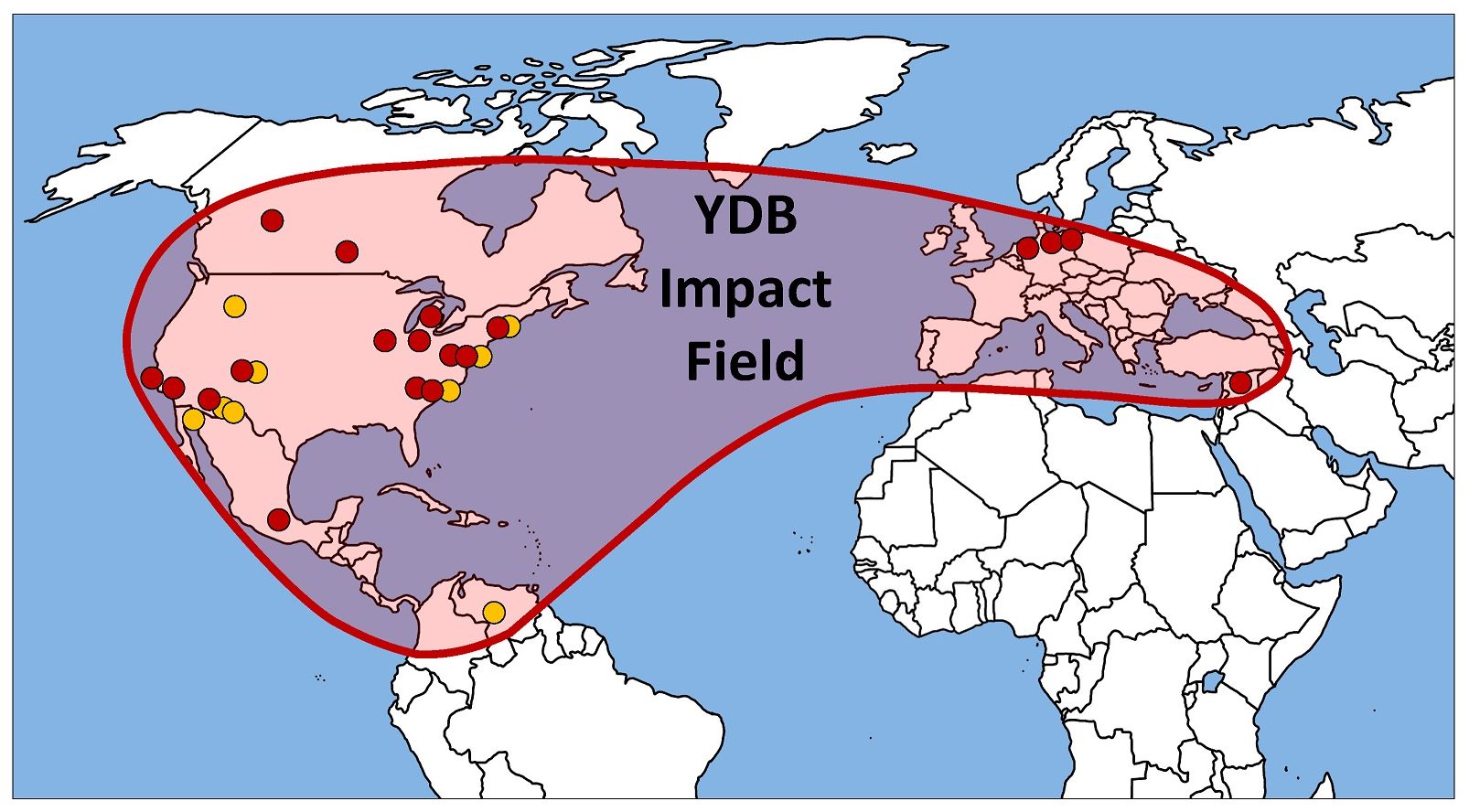
In between galactic influences and local geomagnetic influences on natural cyclical climate change, there are intermediary factors to consider, such as the role played by comets, cosmic ray flux, and the solar-system mechanism that 'sets the motor running'.
And don't forget that while there may be 'phases' to the process of climate shift, it is now believed to be far more abrupt than previously thought: