Imagine a scenario, perhaps a few years from now, in which Canada decides to release thousands of mosquitoes genetically modified to fight the spread of a devastating mosquito-borne illness. While Canada has deemed these lab-made mosquitoes ethical, legal and safe for both humans and the environment, the US has not. Months later, by accident and circumstance, the engineered skeeters show up across the border. The laws of one land, suddenly, have become the rule of another.
If modern science can can defy the boundaries of borders, who exactly should be charged with deciding what science to unleash upon the world?
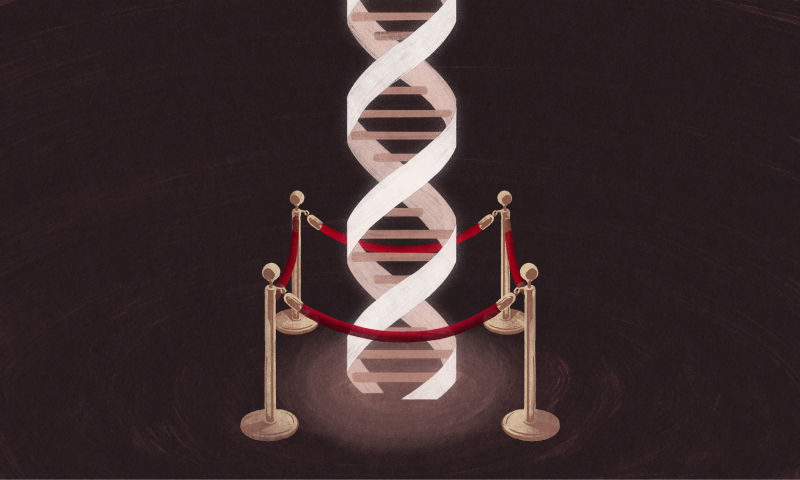
A version of this hypothetical scenario is already unfolding in the UK. Last year, the British government gave scientists the green light to genetically engineer human embryos. But in the US and most other nations, this possibility is still both illegal and morally fraught. Opponents to the practice argue that it risks opening up a Pandora's Box of
designer babies and
genetically engineered super-humans. Even many more neutral voices argue that the technology demands further scrutiny.
And yet, the UK, at the vanguard of genetic engineering human beings, has already opened that box. In 2015, the British government approved the use of a controversial gene-editing technology to stop devastating mitochondrial diseases from being passed on from mothers to their future children. And last February, the UK granted the first license in the world to edit healthy human embryos for research. Recently, a
Newsweek headline asked whether the scientists of this small island nation
are in fact deciding the fate of all of humanity. It is a pretty good question.


















Comment: Russia's answer to Boeing and Airbus: MC-21 airliner rolls off assembly room floor